Kilombero North Safaris Ltd - Kilombero Valley
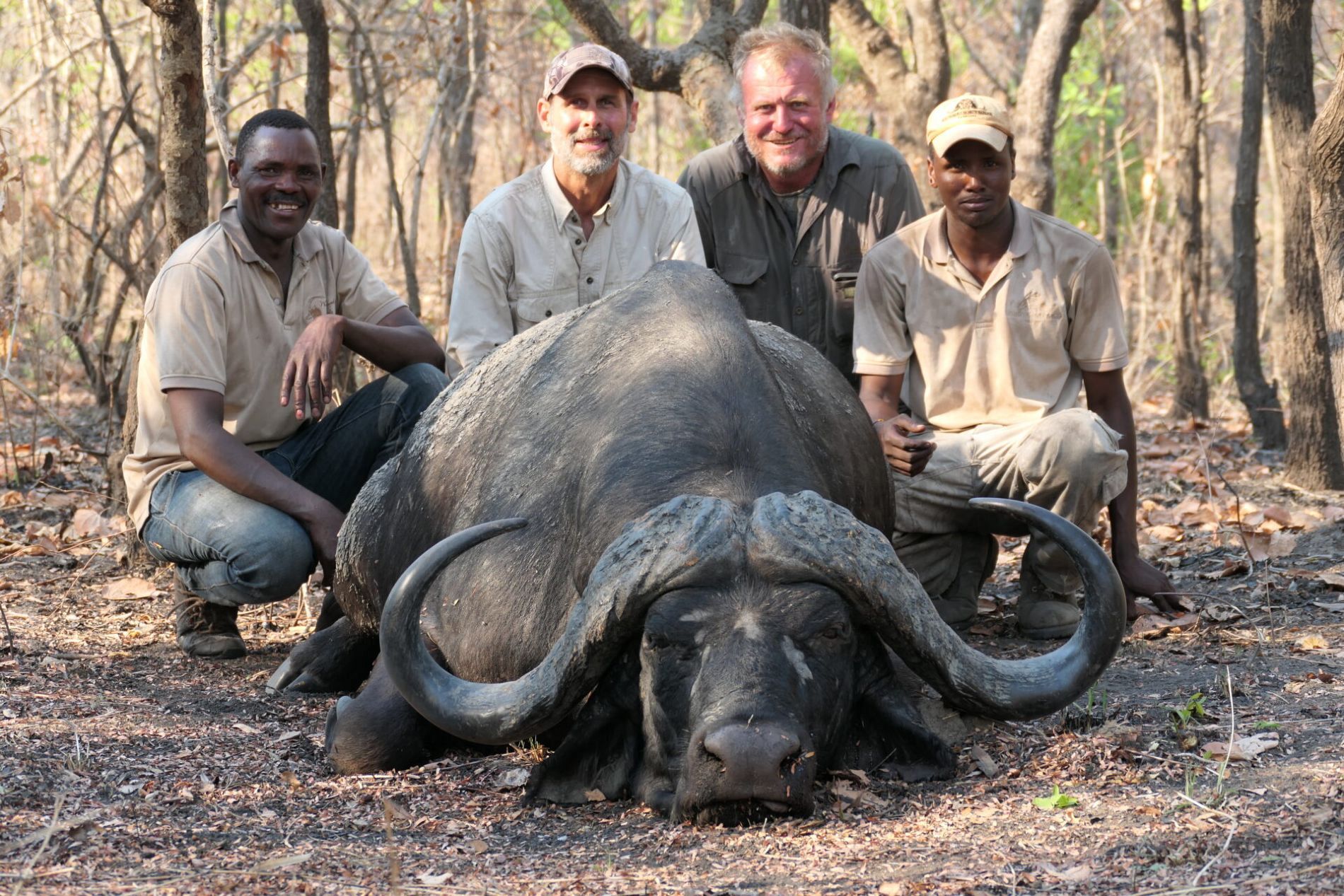
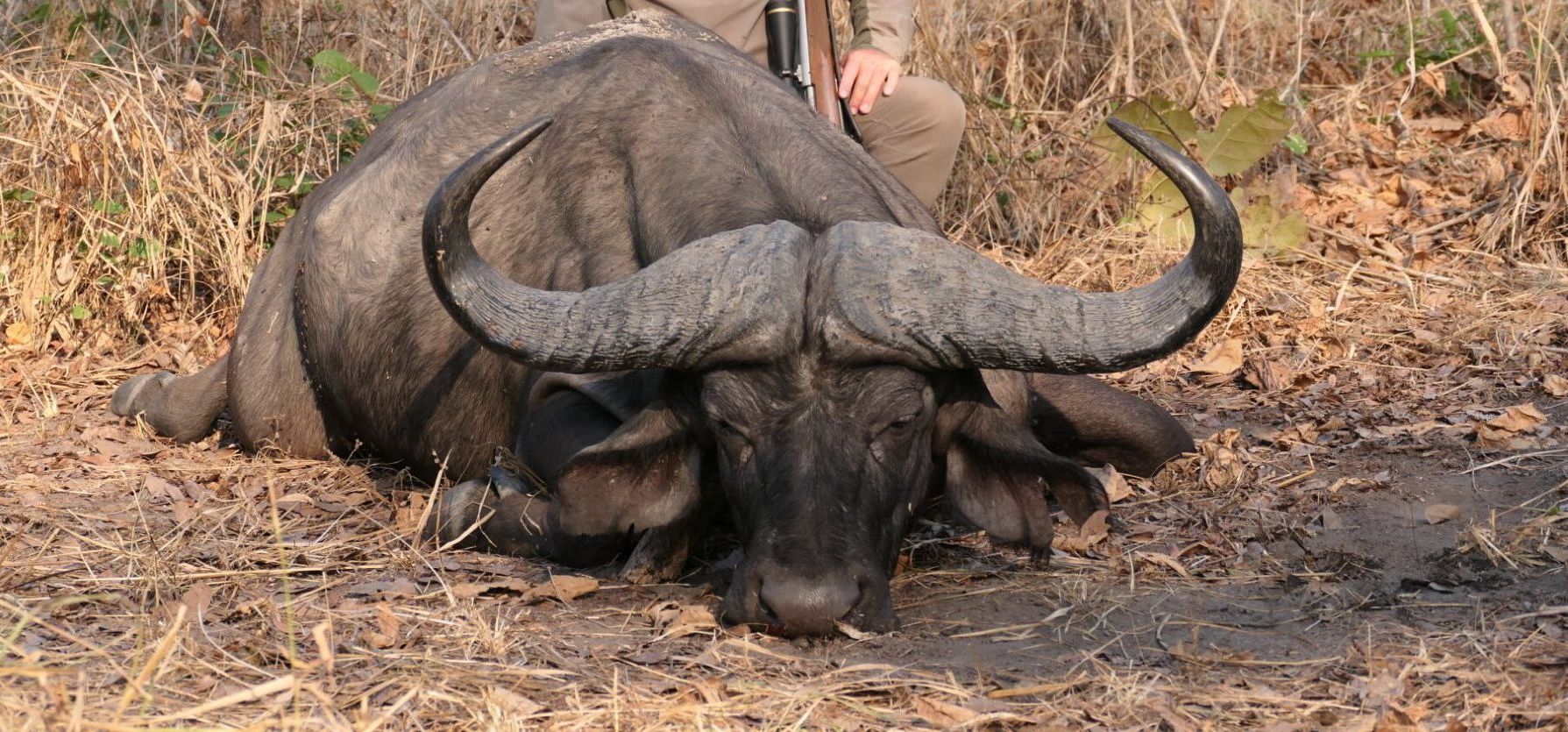
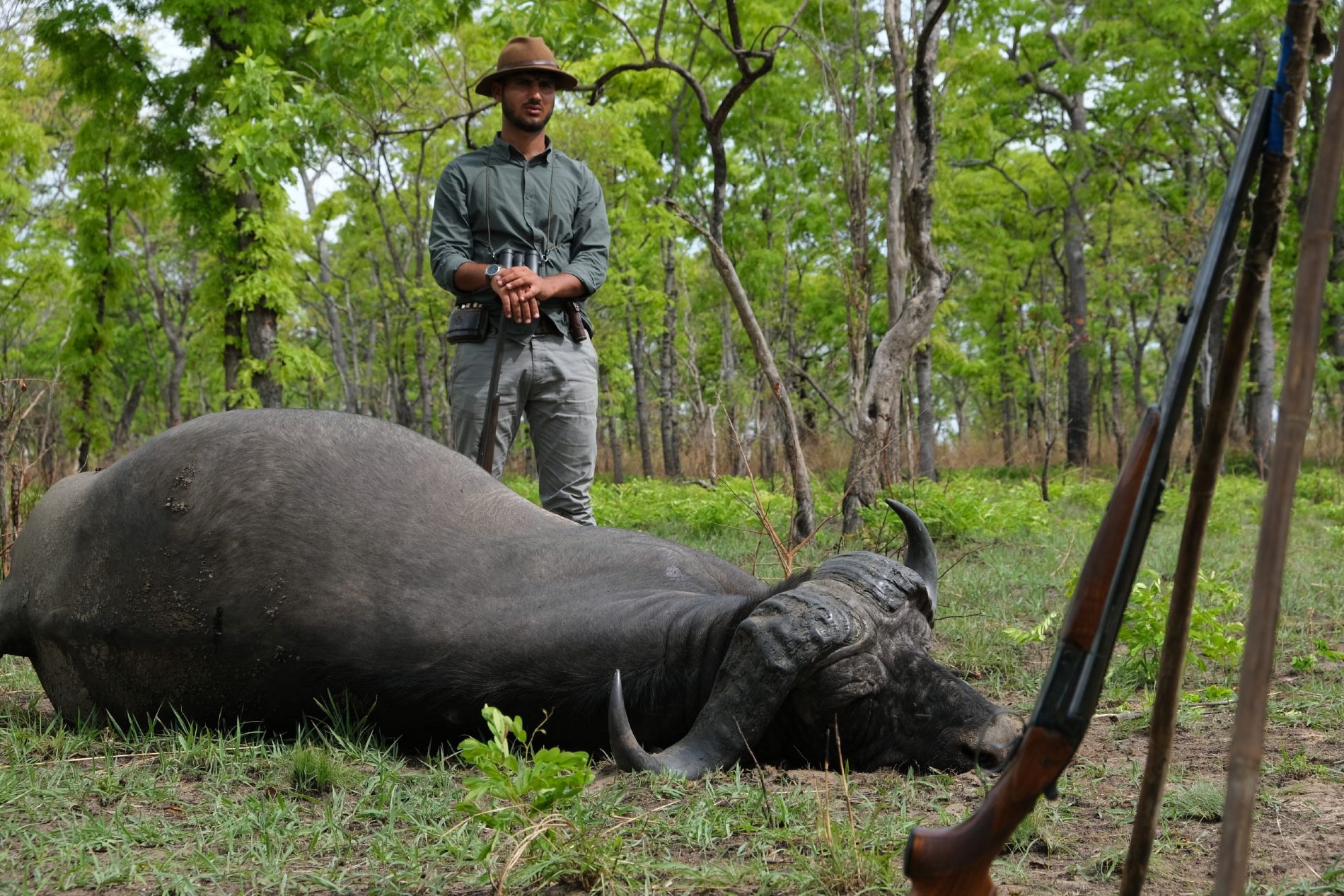
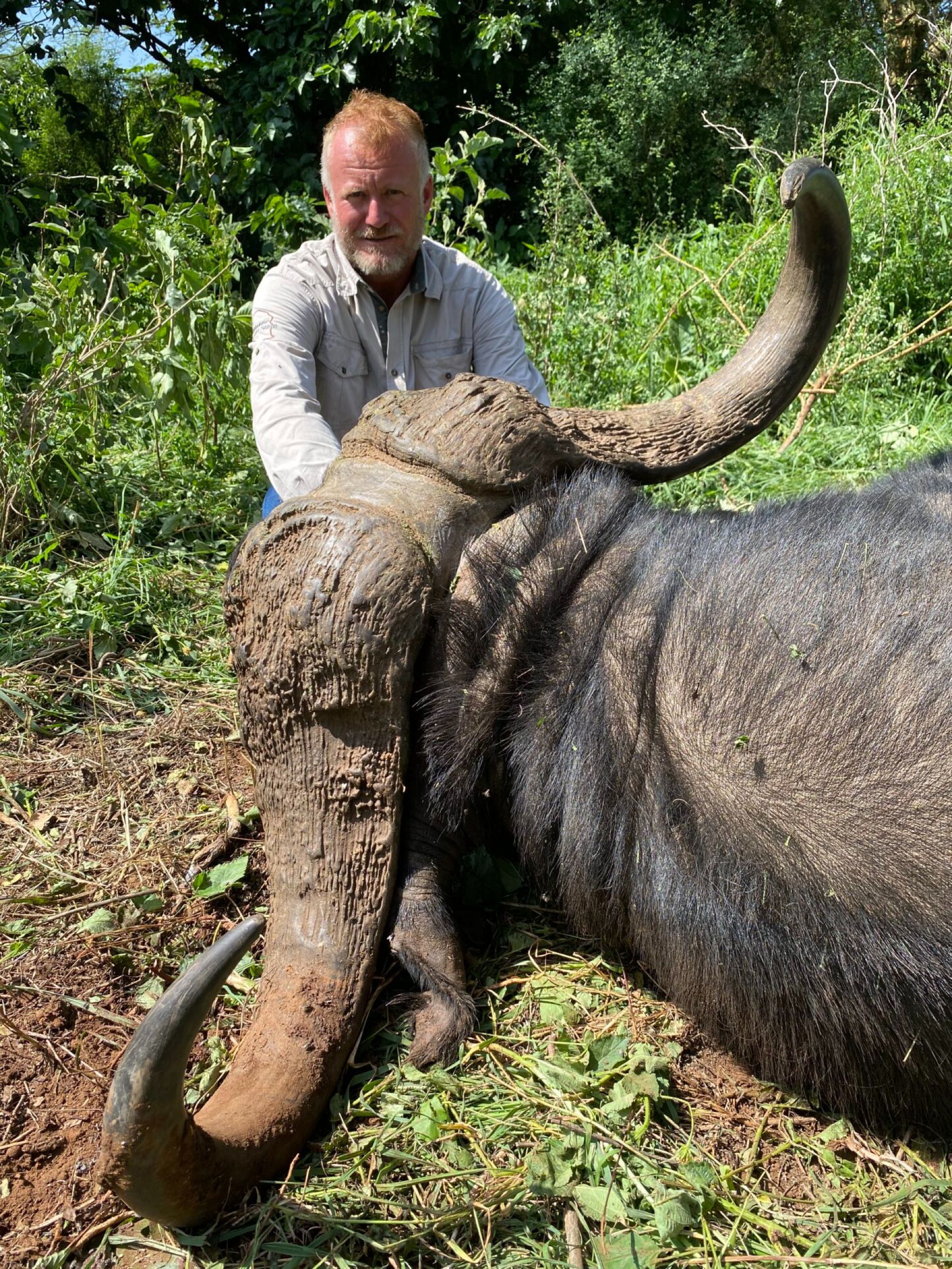
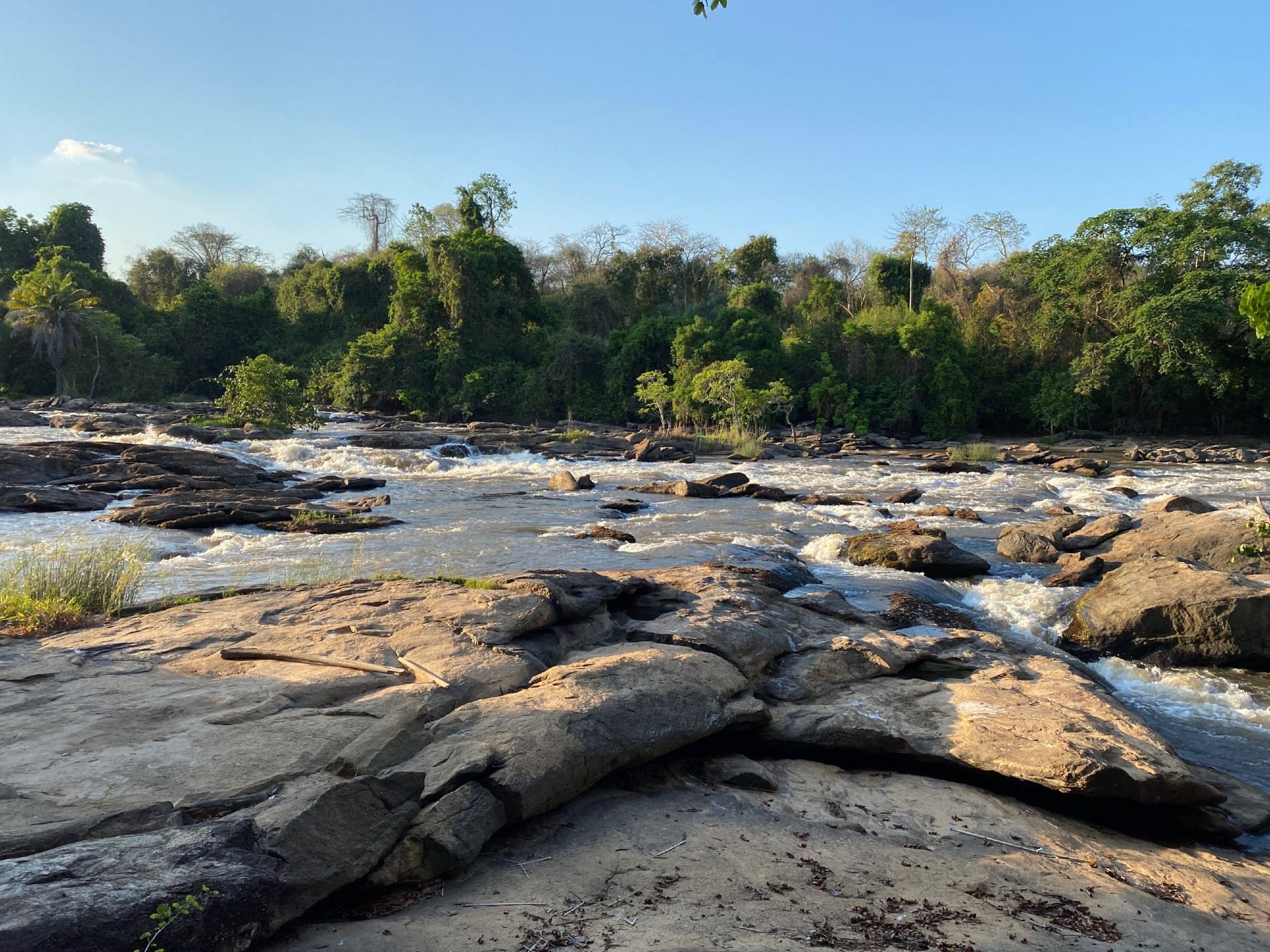
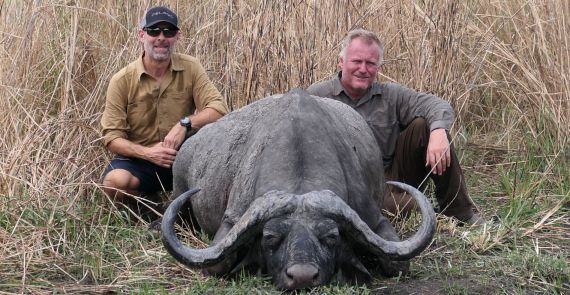
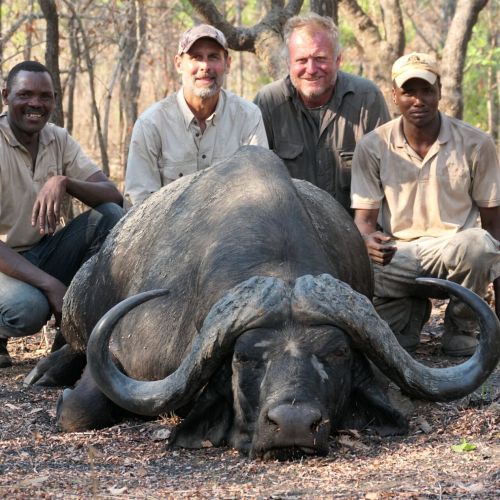
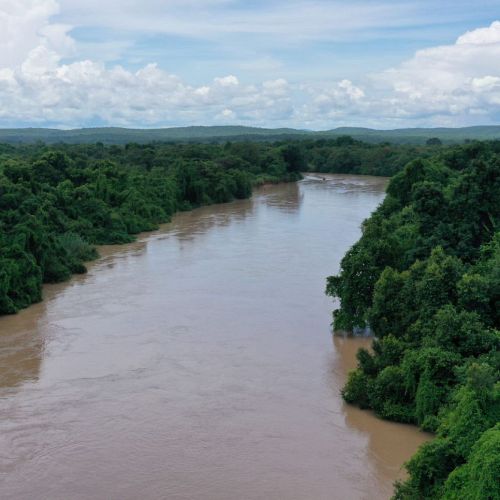
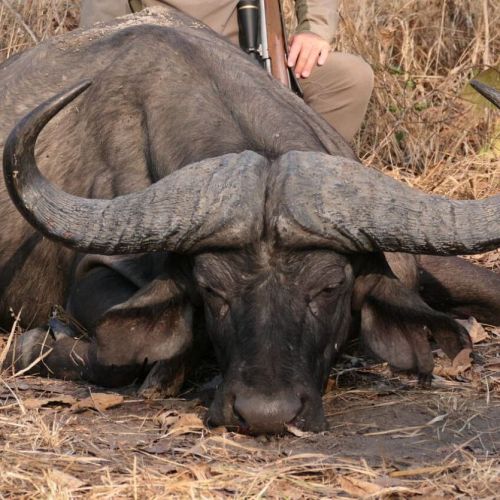
The beautiful terrain in Kilombero Valley has been one of the big game hunters favorite areas for generations. The areas along the Kilombero Valley provide the setting for some of the best hunting to be found in Africa. This contrasting landscape provides ideal conditions for a variety of interesting game species. Tanzania and not least Kilombero in particular is famous for exceptional buffalo hunting.
Highlights
- Hunting in a beautiful and varied landscape
- Unique opportunity to take several different exciting species
- Excellent hunting for first class trophies
- Unique buffalo hunting that can challenge any hunter
- High quality hunting camps


10 days from $34,995
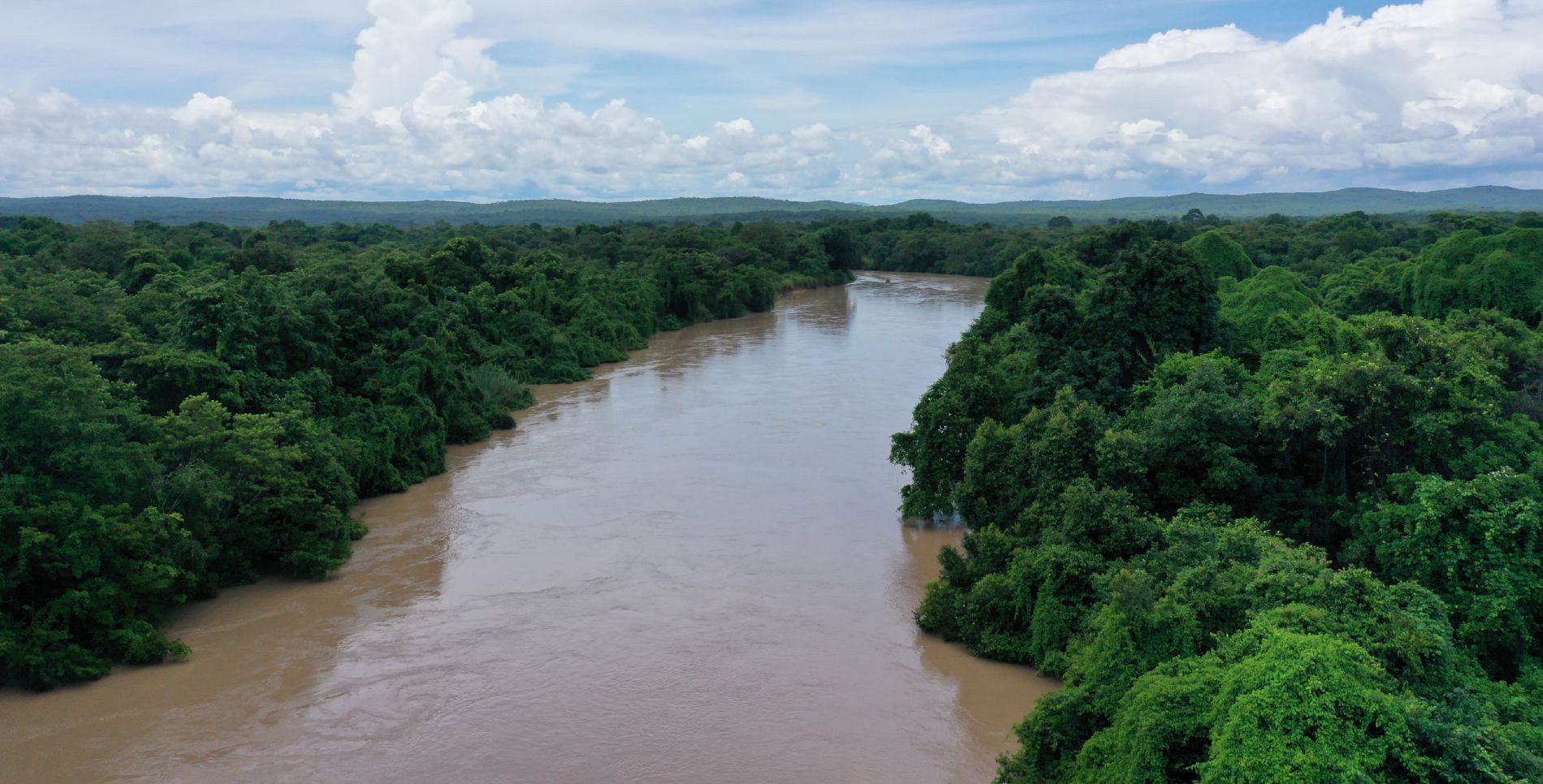
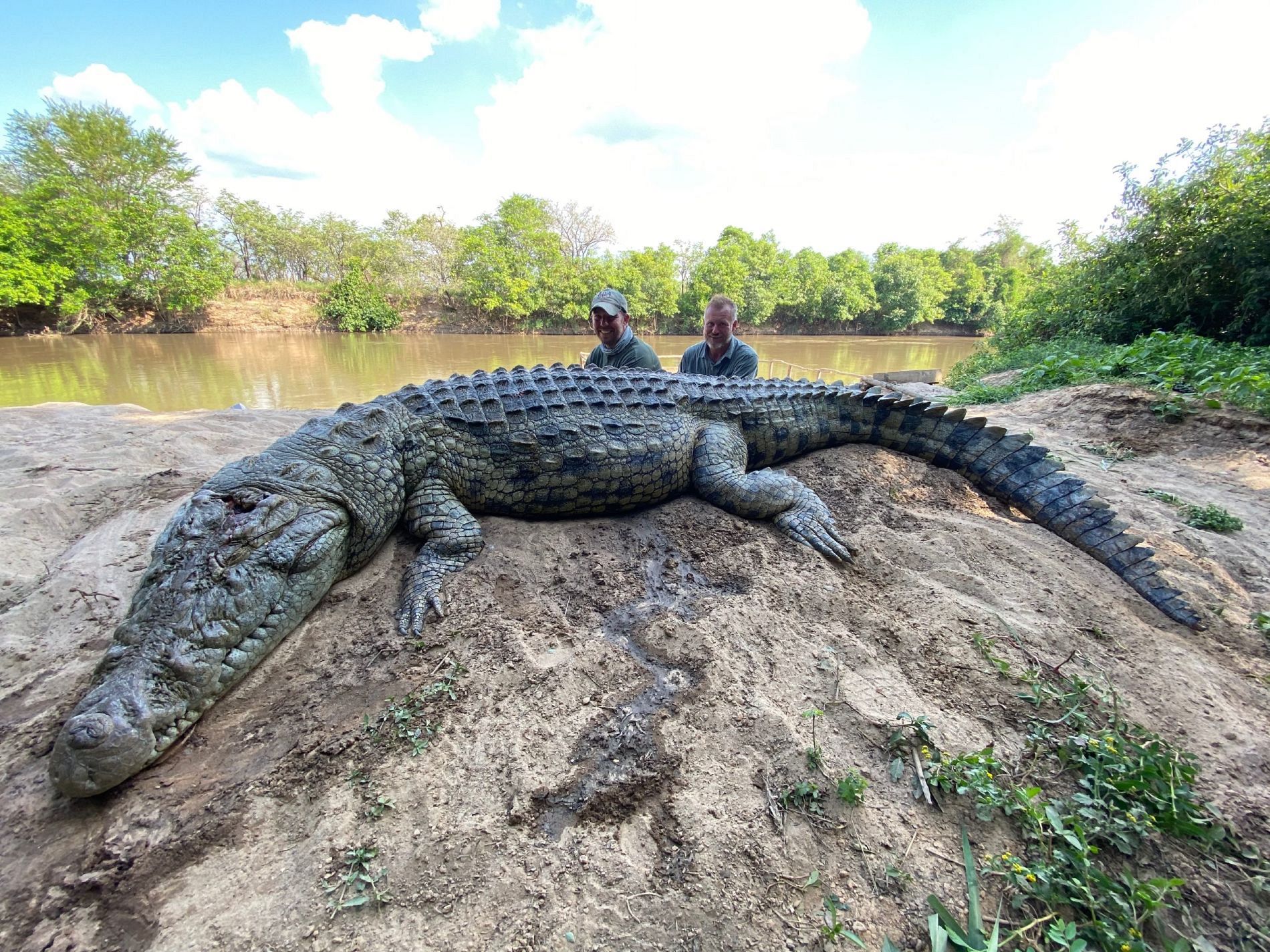
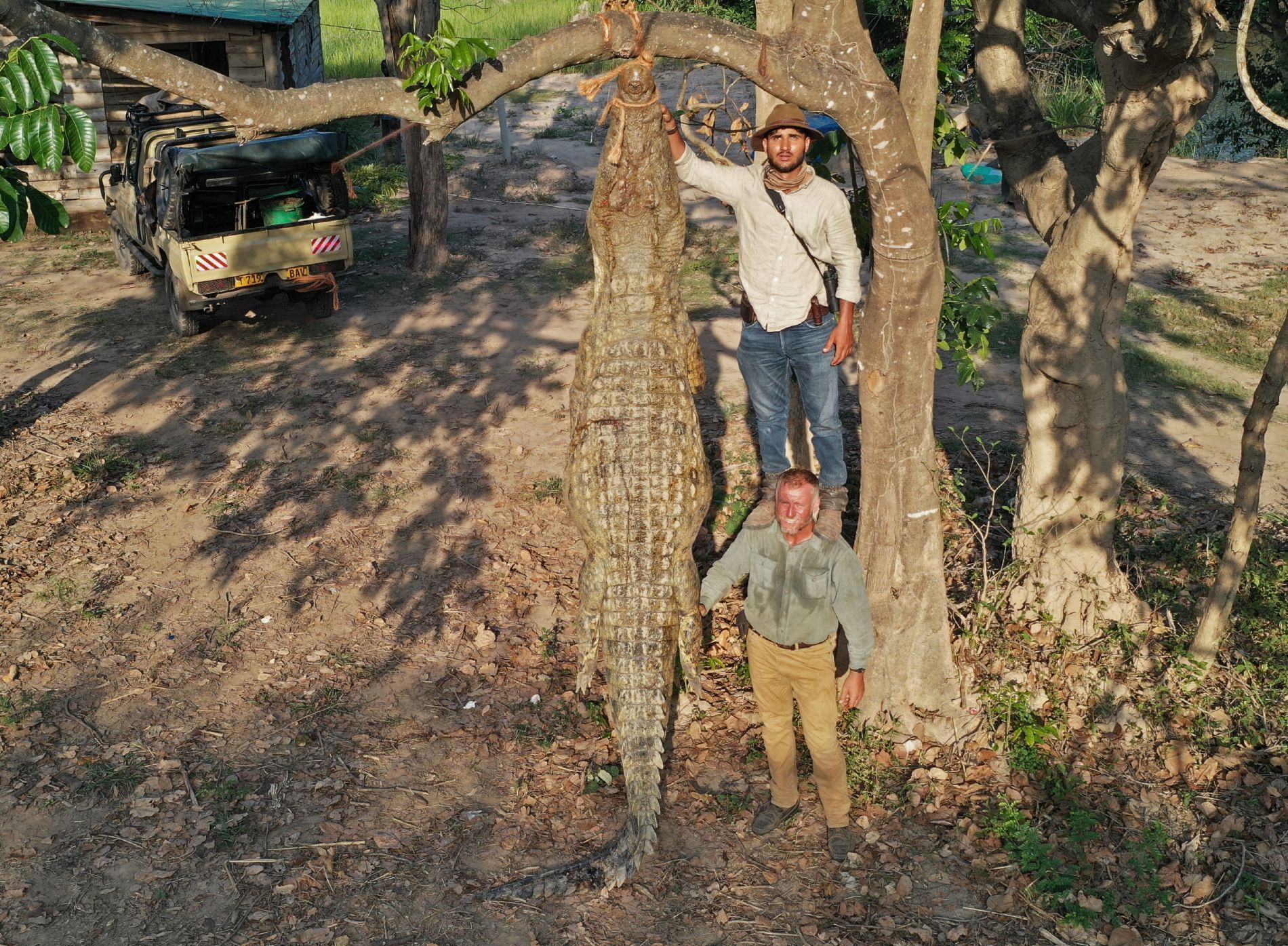
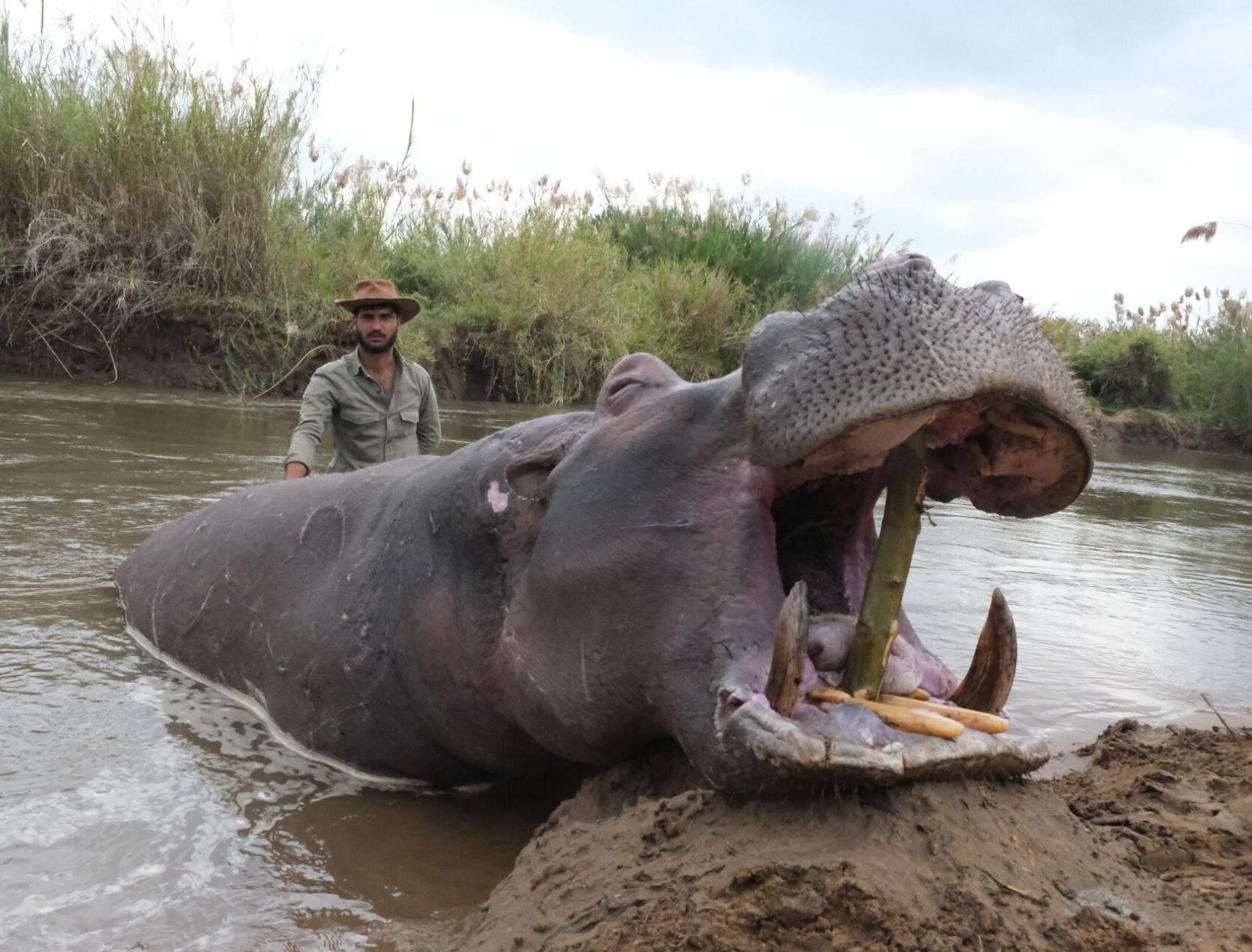
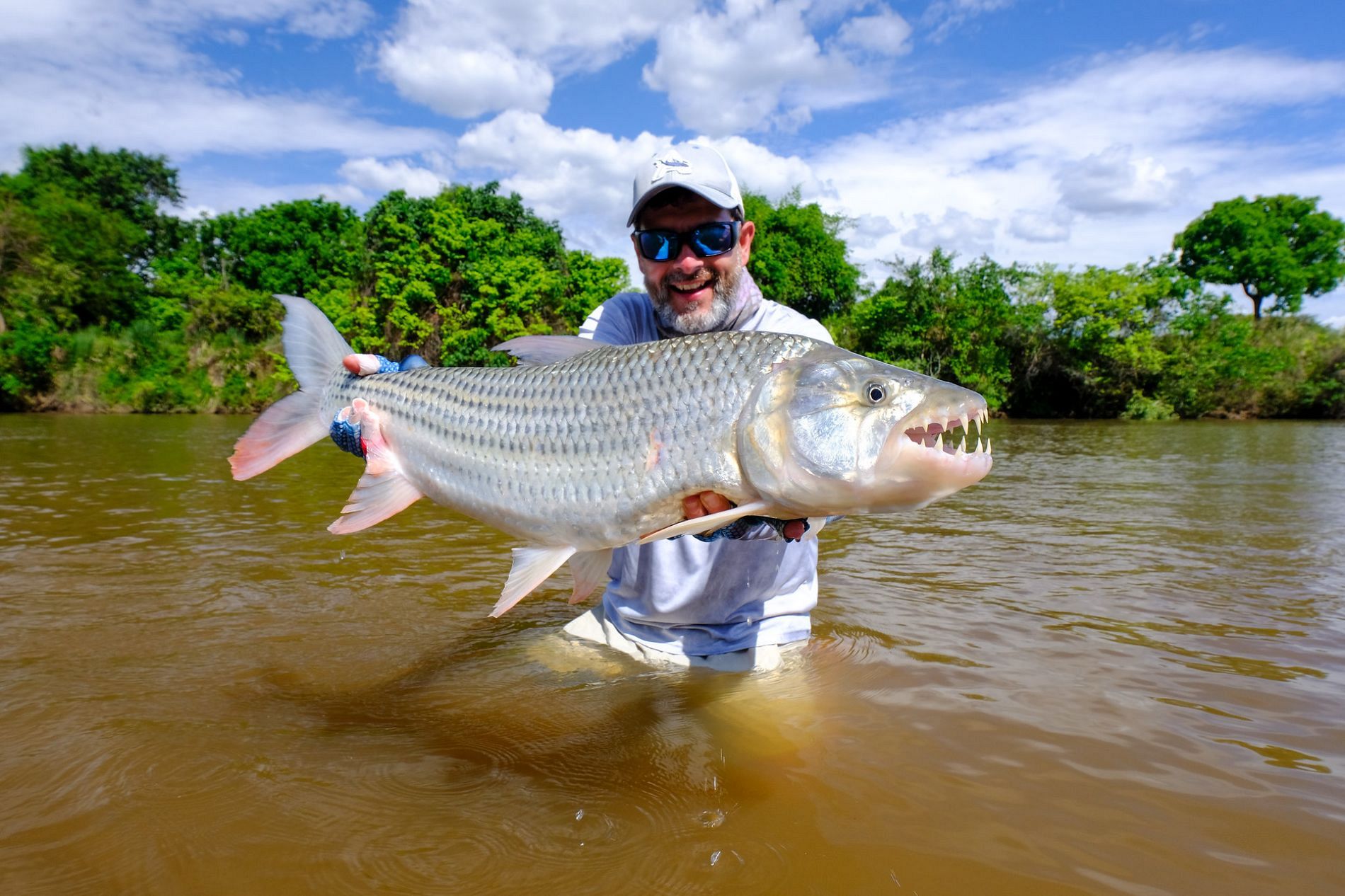
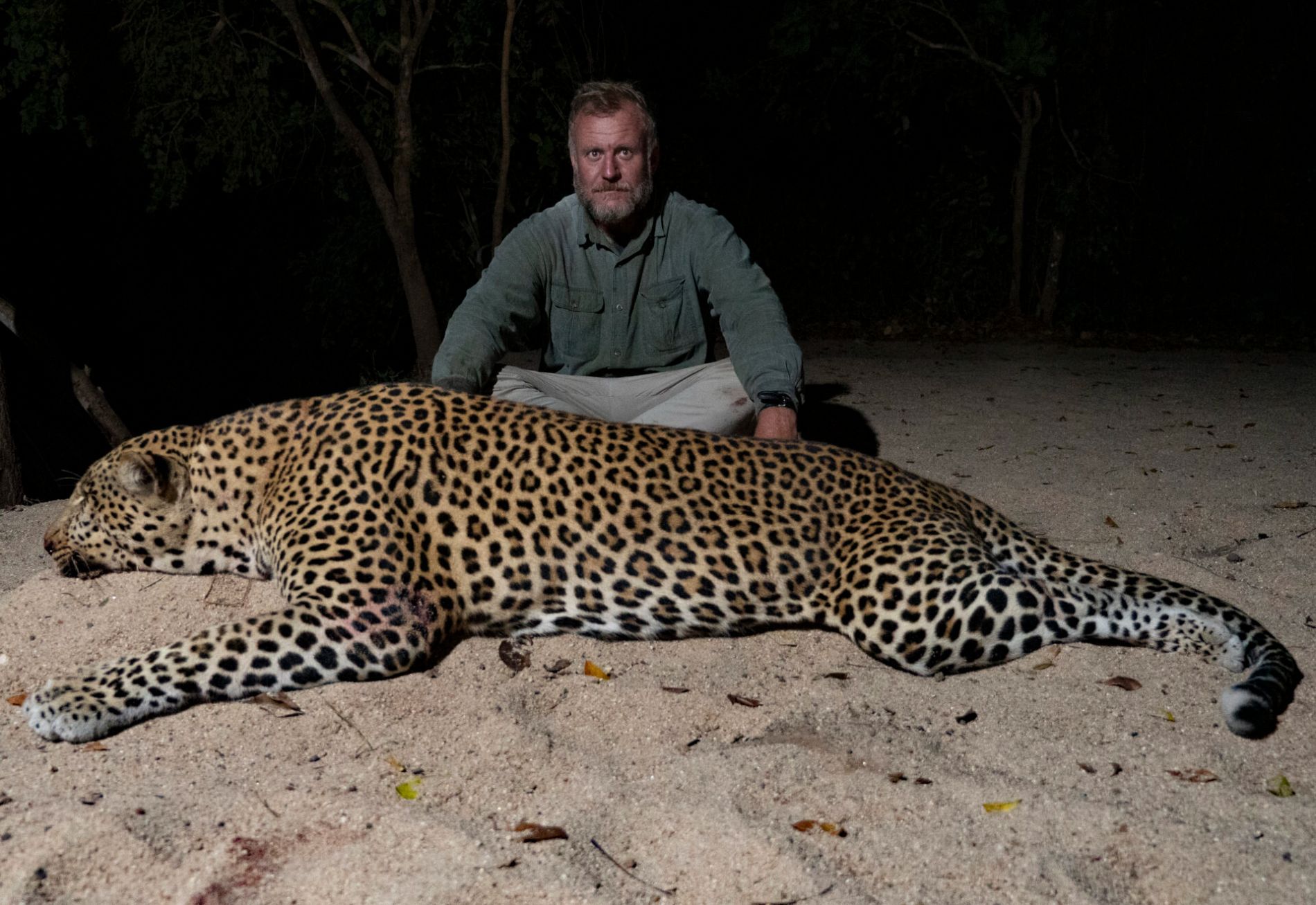
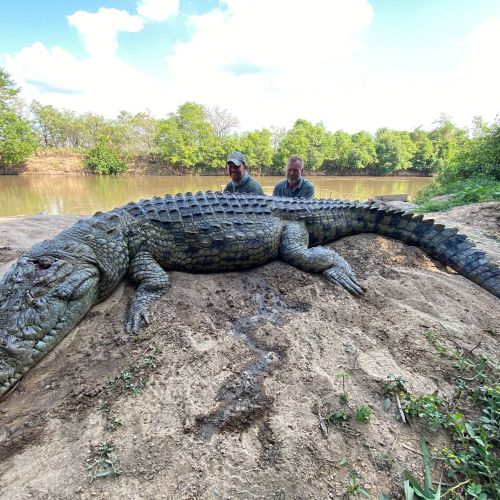
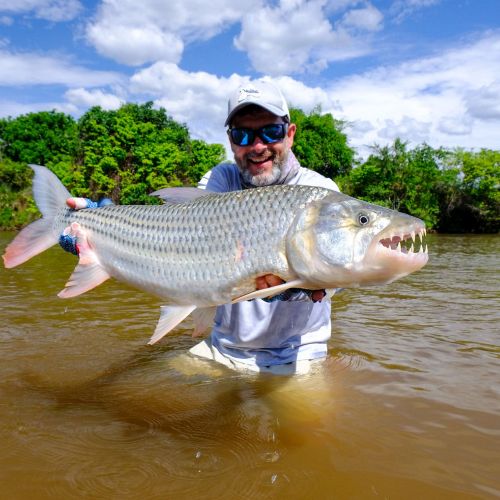
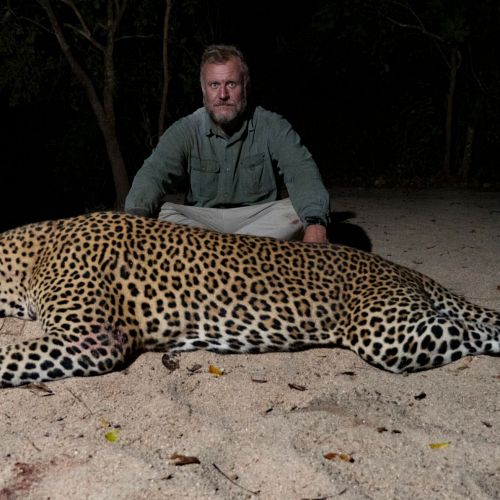
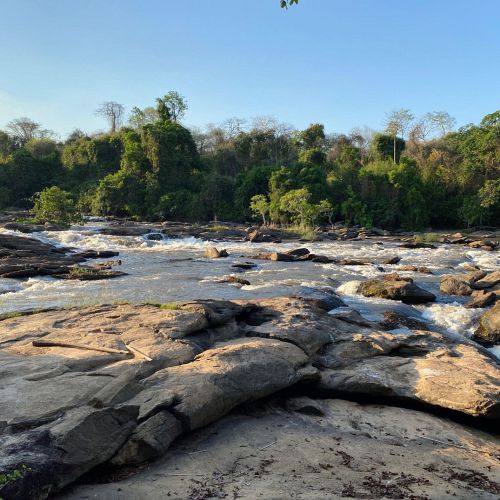
Situated within the untouched African wilderness of the Kilombero Valley lies Kilombero North Safaris’ vast hunting area, with camps located along the famous tigerfishing rivers, the Mnyera and Ruhudji. Spanning more than 14,000 square kilometres, the area boasts the highest density of Cape Buffalo in Tanzania, along with exceptional opportunities for Lion and Leopard hunting. The river systems are home to large populations of Hippopotamus, Nile Crocodile, and some of Tanzania’s finest Tigerfish, making the area equally appealing for passionate anglers on safari. This breathtaking landscape features some of Africa’s most beautiful ecosystems, including perennial rivers, lush forests, miombo woodlands, and majestic mountains. Here, hunters can experience the true thrill of African hunting in untouched wilderness.
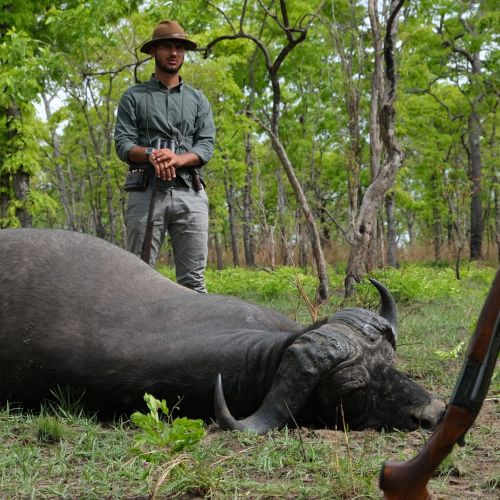
In some areas, the woodlands open into short grass plains, reed beds, and mud holes, creating ideal conditions for exciting close-range stalking of old dagga boys with a double rifle. Due to the exceptionally high density of Cape Buffalo, clients will have the opportunity to encounter buffalo or follow fresh tracks almost every day of their safari. At the same time, most of the river systems in the Kilombero Valley remain virtually untouched by human activity, allowing these perennial rivers to sustain large populations of both Hippopotamus and Nile Crocodile. Compared to the extensive river systems flowing through the hunting blocks, the hunting quotas for Crocodile and Hippopotamus are very limited, resulting in sustainable hunting of exceptional trophy-quality animals.
Comprised of five adjoining hunting blocks, the Kilombero Valley is Kilombero North Safaris’ largest continuous hunting area, with much of it still largely untouched by hunters. The continuously expanding road network provides access to new and exciting hunting grounds every season, ensuring that each safari offers a unique experience. In many hunting areas, hunters may feel as though they are the first people ever to set foot in the wilderness — however, in the Kilombero Valley, this is often truly the case.
The region is characterised by a tropical climate with distinct wet and dry seasons. The wet season generally lasts from mid-November through late May and brings heavy rainfall that greatly influences the area’s hydrology and ecosystem. The dry season, from June through October, experiences significantly lower rainfall, resulting in reduced river flow and the drying of seasonal wetlands. Consequently, the ideal hunting period in this area is from late August through early November.
Conservation
When conducted responsibly, big game hunting plays an important role in the conservation of Africa’s wildlife while also providing economic support to local communities in the regions where hunting takes place.
Kilombero North Safaris reinvests a portion of hunting revenue into conservation, anti-poaching initiatives, infrastructure, schools, healthcare facilities, and community development within and around its hunting concessions. At the same time, safari operations create employment and long-term opportunities for many local families.
With Kilombero North Safaris, hunting is not simply about taking a trophy, but about the overall experience and the thrill of the hunt. No animal is guaranteed, and every trophy should be regarded as the result of a genuine hunting experience.
By choosing a safari with Kilombero North Safaris, clients directly contribute to sustainable wildlife management, anti-poaching efforts, and the development of local communities in some of Tanzania’s most remote wilderness areas. This responsible approach strengthens both wildlife conservation and the future of the people who live alongside these landscapes.
Video Gallery
-
 Hunting in Africa
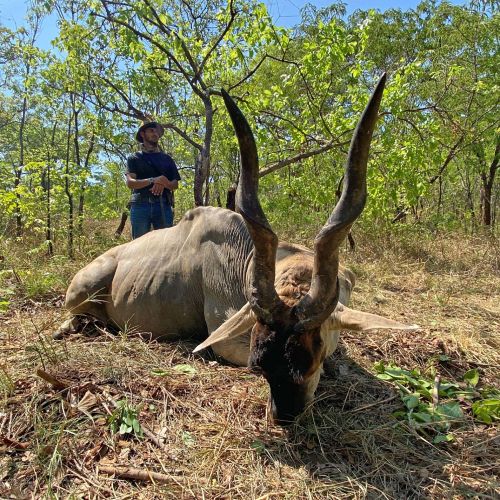
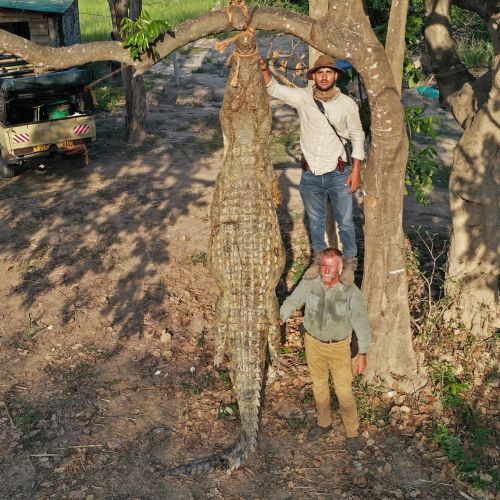
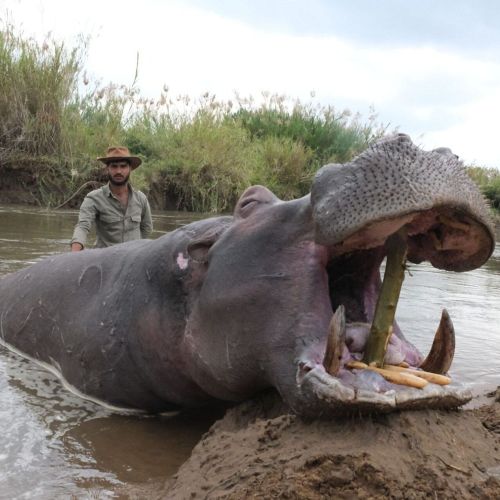
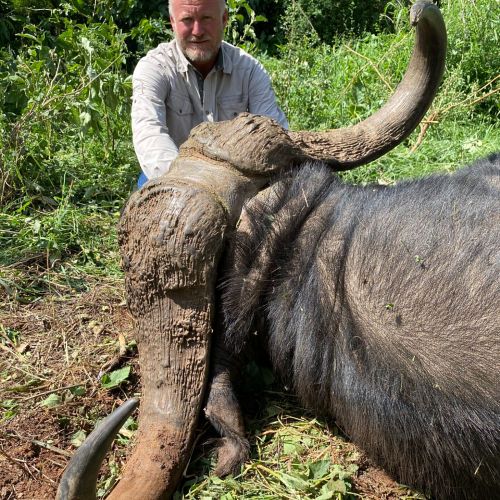
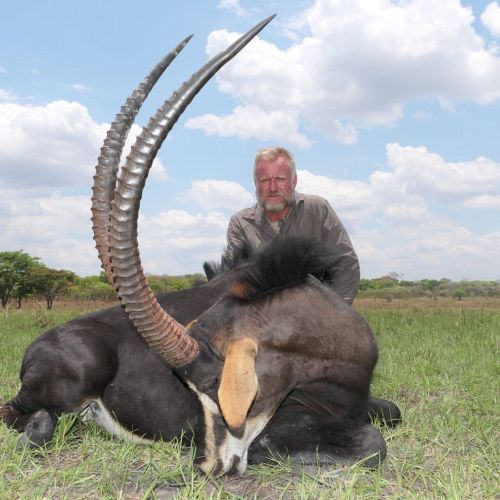
Accommodation
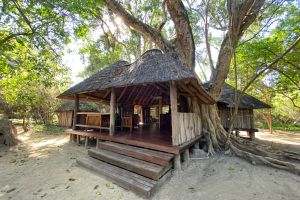
Camps in the Kilombero Valley
We have three different camps in Kilombero Valley, all of which are built in typical East African style and are very comfortable with nice tents/bungalows, with good beds, clothes racks, shelves and chairs. Ruhudji CampThis exclusive camp is located on the banks of the Ruhudji River and offers a true East African experience. Three spacious tents, beautiful living/dining area, 220 volt...
Read moreHunting Area
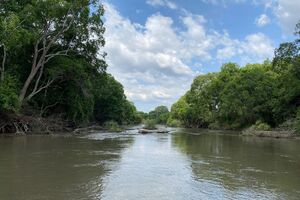
Kilombero Valley
Deep within Tanzania’s untouched wilderness lies the Kilombero Valley – one of East Africa’s most impressive and least explored hunting areas. Kilombero Valley spans more than 14,000 km² of continuous hunting territory along the legendary Mnyera and Ruhudji rivers, where some of Africa’s most sought-after big game species thrive under optimal conditions. The area is...
Read morePartner
Partner in Tanzania
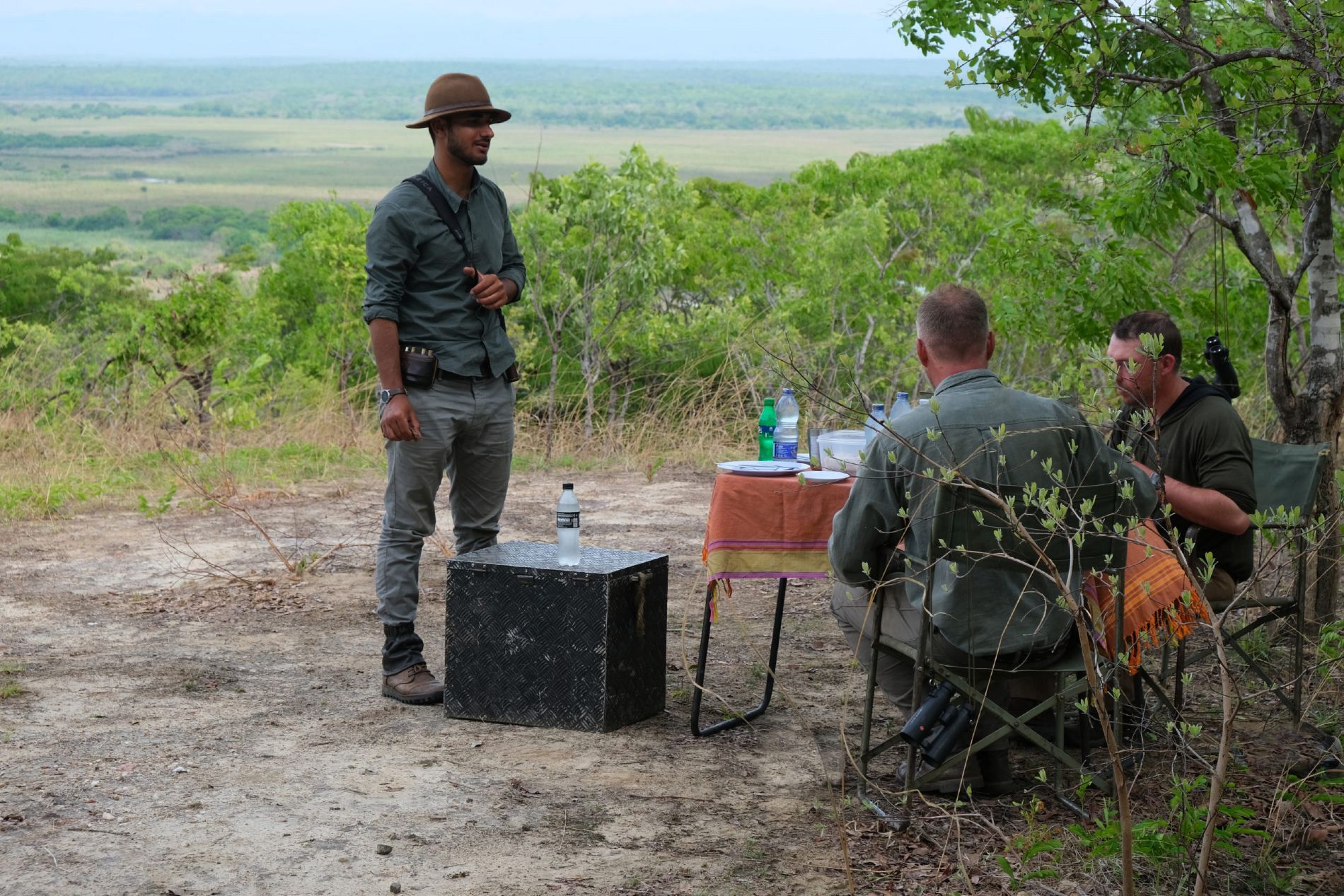
The professional hunters at Kilombero North Safaris are trained in traditional East African hunting methods and work as experienced field professionals rather than simply guides. Their knowledge is built on many years of practical work in the field, as well as mentorship from some of the most experienced figures in the industry. This background has given them solid skills and a natural respect...
Read moreGame
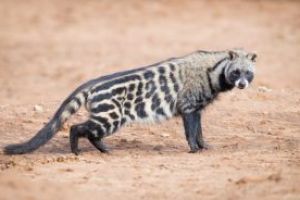
African Civet
Scientific Name: Virerra civetta Subspecies: There exist several subspecies of Viverra civetta, but they are not described here as they have little or no significance as hunting trophies. Distribution: Most African countries south of the Sahara Desert. Habitat: All types of savanna, sometimes dense forest. Description: Dog size animal, looking like a mixture between a stoat and a badger....
Read more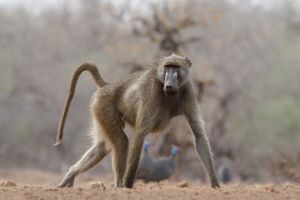
Baboon
Scientific Name: Papio sp. Sub-species: Five species are currently recognised (this is some disagreement on whether they are true separate species or sub-species. The true number of sub-species is also currently unknown) Hamadryas baboon (P. hamadryas) - Horn of AfricaGuinea baboon (P. papio) - Far western AfricaOlive baboon (P. anubis)- north central african savannahYellow baboon (P....
Read more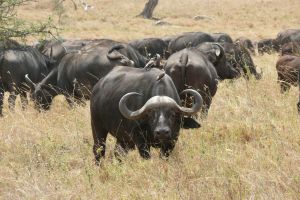
Buffalo, Cape
Videnskabeligt navn: Syncerus caffer Underarter: Dværgbøffel (Cyncerus c. nanus), Savannebøffel (Cyncerus c. S. c. brachyceros ), Nilbøffel (Syncerus caffer aequinoctialis). Cafferbøffel (Cyncerus caffer caffer Udbredelse: Nilbøflen er den af de fire arter der har det nordligste udbredelsesområde: Fra Senegal i vest i et bredt...
Read more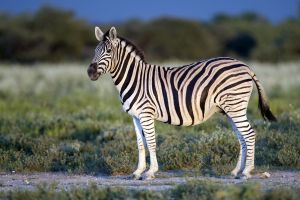
Burchell's Zebra
Videnskabeligt navn: Equus burchelli Underarter: Grant's Zebra (E.b. böhmi) Chapman's Zebra (E.b.antiquorum) Udbredelse: Burchell's Zebra: Botswana og Sydafrika. (den ægte burchell's zebra er uddød). Grant's Zebra: Mozambique, Tanzania, Kenya, Uganda og Ethiopien. Chapman's Zebra: Sydafrika, Mozambique, Zimbabwe, Botswana, Namibia, Angola, Zambia. Levested: Åben bush og...
Read more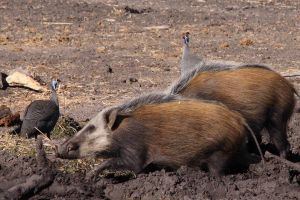
Bush Pig
Scientific Name: Potamochoerus porcus Subspecies: Up to 18 recognised species, here described as one. Distribution: All of Africa south of the Sahara Desert, excepting the desert of Namibia. Habitat: High forest, their fringes and thick bush country, often near rivers. Frequents fields where they cause much damage. Description: A domestic pig-like animal, weighing around 100 kg and measuring...
Read more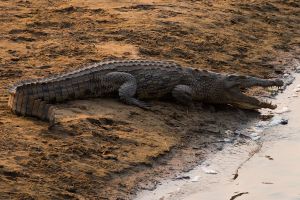
Crocodile, Nile
Scientific Name: Crocodylus niloticus Subspecies: No subspecies are currently formally recognised, however up to seven have been proposed. Distribution: The most common African crocodile, present over much of the sub-Saharan Africa from Lake Nasser in Egypt and the River Nile Sudan to the north to the Okavango Delta of Botswana and the Olifants River of South Africa in the...
Read more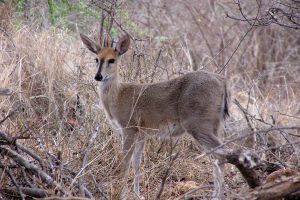
Duiker, Grey/Duiker, Grimm's (Common)
Scientific Name: Sylvicapra Grimmia Subspecies: Classification of subspecies is very variable, we have chosen only to count two: Western Bush Duiker and East African Bush Duiker. Distribution: From the desert rim in Northern Africa to the Southern tip of the Continent, the West African rainforest excepted. Habitat: As the species is a typical bush duiker it lives, as the name suggests in...
Read more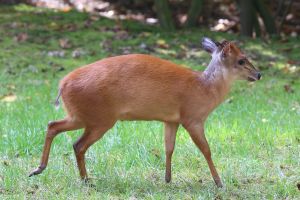
Duiker, Red
Videnskabeligt navn: Cephalophus natalensis Underarter: Ingen. Udbredelse: Udbredelsesområdet for denne art følger et bredt bælte langs den afrikanske østkyst fra Somalia i nord til Natal i Sydafrika i syd. Levested: Foretrækker tætte skovbevoksninger men findes også i visse områder i bush. Beskrivelse: Lille rødbrun antilope med en...
Read more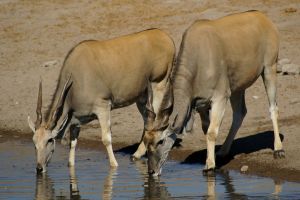
Eland, Cape/Livingstone, Patterson's
Scientific Name: Taurotragus oryx livingstoneiSubspecies: SCI lists Cape Eland as Tragelaphus oryx with three subspecies, which means that SCI counts the Cape Eland with the spiral horned antelopes. We have chosen to list Cape Eland under it's scientific name Taurotragus with two subspecies: Livingstone's Eland (Taurotragus oryz livingstonei) East African Eland (Taurotragus o....
Read more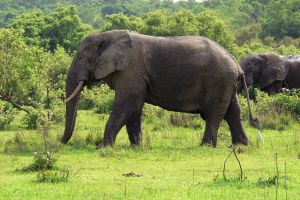
Elephant (Africa)
Videnskabeligt navn: Loxodonta afrikana Underarter: Forest Elephant (Loxodonta a. cyklotis) Pygmy Elephant (Loxodonta a. pumilio) Udbredelse: De tre arters samlede udbredelsesområde: Hele Afrika syd for Sahara. Dog bør det nævnes at i Vestafrika lever elefanterne i dag i små isolerede bestande, og først fra Cameroun og østover kan man tale om...
Read more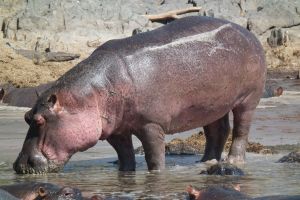
Hippopotamus
Videnskabeligt navn: Hippopotamus amphibius Underarter: Ingen. Udbredelse: I stort set samtlige lande syd for Sahara. Levested: Langs floder og i søer. Beskrivelse: Flodhesten er næst efter elefanten det største landlevende pattedyr. Flodhesten har en kompakt krop og korte kraftige ben. Den opnår en vægt på op til 3,5 tons og en højde på 1,5...
Read more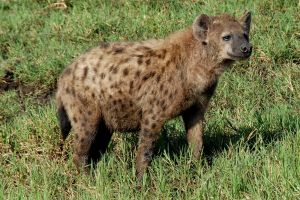
Hyena, Spotted
Videnskabeligt navn: Crocuta crocuta Underarter: Ingen. Udbredelse: Det meste af Afrika med udtagelse af den vestafrikanske regnskov og Sydafrika. Levested: Åben bush og græssletter. Beskrivelse: Mellemstort hundelignende dyr med kompakt krop og kraftige ben. Den opnår en vægt på ca. 70 kg og en højde på 80 cm målt over skuldrene. Hovedet er...
Read more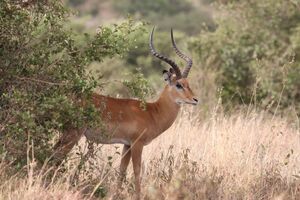
Impala
Scientific Name: Aepyceros melampus Subspecies: East African Impala (Aepyceros m. rendillis) Angola Impala (Aepyceros m. petersi) Distribution: South Africa, Mozambique, Zimbabwe, Botswana, Namibia, Angola, Zambia, Tanzania, Kenya, Uganda and Congo (Zaire) Habitat: Open bush and Acacia savanna Description: The three species are here descriped as on as the difference in appearance is negligent...
Read more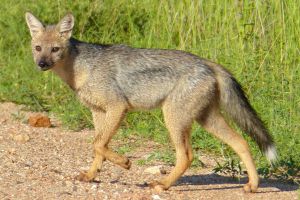
Jackal, Side-stribed
Videnskabeligt navn: Canis adustus Underarter: Ingen. Udbredelse: Fra Centralafrika og sydpå til det nordlige Namibia og Botswana samt det sydlige Mozambique. Levested: Åben bush og græssletter. Beskrivelse: Mindre rævelignende dyr der vejer ca. 10 kg og måler 45 cm overskuldrene. Pelsfarven er gråbrun med lyst bryst og hvid halespids. Langs siden har den...
Read more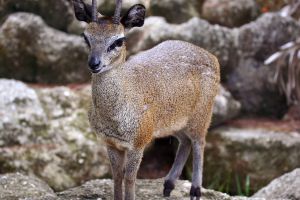
Klipspringer
Videnskabeligt navn: Oreotragus oreotragus Underarter: Ingen. Udbredelse: Sydafrika, Namibia, Botswana, Zimbabwe, Mozambique, Angola, Zambia, Tanzania, Kenya, Congo, Etiopien Sudan. Levested: Små isolerede klippeformationer samt bjerge. Beskrivelse: Lille antilope med en vægt på 10 - 15 kg og en skulderhøjde, der normalt ikke overstiger 60 cm. Klipspringeren er...
Read more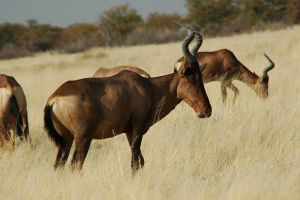
Kongoni/Coke's Hartebeest
Scientific Name: Alcelaphus b cokeii Subspecies: Is itself a subspecies of Alcelaphus Buselaphus. Distribution: Kenya, Tanzania and Ethiopia. Habitat: Open bush and savanna Description: Middlesized antelope that weighs around 170 kg and measures 120 - 140 cm over the shoulder. General colour light brown. The horns are heavy and deeply ridged, lyreshaped at first then curved sharply backwards...
Read more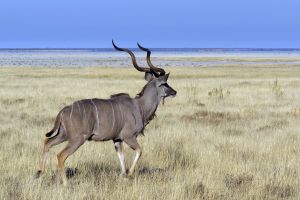
Kudu, Greater
Scientific Name: Tragelaphus strepsiceros Subspecies: Southern Greater Kudu (Tragelaphus strepsiceros strepsiceros) East African Greater Kudu (Tragelaphus str. bea). Western Greater Kudu (Tragelaphus str. cottoni) Distribution: From Chad, Sudan and Ethiopia in the North through all countries along the East coast as well as Zimbabwe, Zambia, Namibia, Botswana, Angola and South Africa. Habitat:...
Read more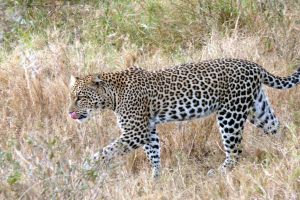
Leopard (Africa)
Videnskabeligt navn: Panthera pardus Underarter: Ingen Udbredelse: Hele Afrika syd for Sahara. Levested: Alle typer af terræn (selv udkanten af boligområder). Beskrivelse: Mellemstort dyr af kattefamilien med kompakt krop og kraftige ben. Leoparden kan opnå en vægt på 60 - 90 kg og en højde på ca. 70 cm. Skindet er gyldent med sorte ringe. Leoparden...
Read more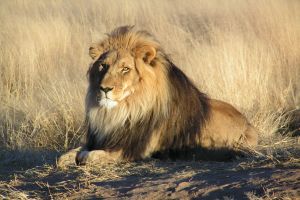
Lion (Africa)
Videnskabeligt navn: Panthera leo Underarter: Der anerkendes op til 7 geografiske underarter af løve. De beskrives her alle under et. Udbredelse: De forskellige løveunderarter har et fælles udbredelsesområde, der strækker sig fra Senegal i vest til Ethiopien og Somalia i øst samt i et bredt bælte langs Afrikas østkyst til det nordlige...
Read more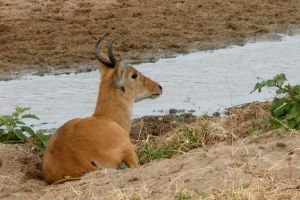
Reedbuck, Bohor/Reedbuck, Bohor
Wissenschaftlicher Name: Redunca redunca Subspecies: Western Bohor Reedbuck (Redunca r. nigeriensis) Eastern Bohor Reedbuck (Redunca r. Wardi) Distribution: Western Bohor Reedbuck: Nigeria, Cameroun,Chad, CAR, Burkina Faso and Benin. Eastern Bohor Reedbuck: Kenya, Tanzania, Uganda and Congo (Zaire) Habitat: Open bush and grassland Description: Middlesized antelope with a shoulderheight of up...
Read more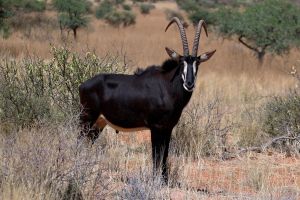
Sable Antelope (Africa)
Videnskabeligt navn: Hippotragus niger Underarter: Hippotragus n. kirkii, Hippotragus n. roosevelti. Giant Sable (Hippotragus n. Variani) beskrives ikke da den på nuværende tidspunkt er truet af udryddelse. Udbredelse: Sydafrika, Mozambique, Zimbabwe, Zambia Botswana, Namibia, Tanzania og Kenya. Levested: Åben bush og græssletter men findes også ofte i miombo- og...
Read more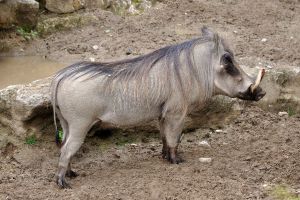
Warthog
Videnskabeligt navn: Phacochoerus aethiopicus Underarter: Der anerkendes op til 7 underarter, der her beskrives under et. Udbredelse: Hele Afrika syd for Sahara med undtagelse af den vestafrikanske regnskov samt ørken områder i Namibia. Levested: Åben bush og græssletter. Beskrivelse: Mindre griselignende dyr der opnår en vægt på 100 kg og en...
Read more
Prices

The price includes
- Hunting/hunting guidance with an experienced professional hunter, as well as all camp staff, including tracker, cook, skinners, waiters etc.
- Government fees consisting of hunting license, concession fee, dipping and packing, weapon license for one firearm, VAT, and contribution towards local community development
- All transportation during the hunt in 4x4 vehicles
- Accommodation in a comfortable safari camp as described, with full board including alcoholic beverages
- Skinning, dipping and trophy handling
- Reception and assistance upon arrival and departure from Tanzania
The price does not include
- International flights to/from Dar es Salaam
- Domestic flights or transport to the camp
- Trophy fees according to the current price list
- Visa for Tanzania approx. USD 50 upon arrival (can also be prepaid)
- Possible rental of firearm/rifle, USD 90 per day:Standard calibres: USD 12 per cartridge
- From .375 and above: USD 17 per cartridge
- Firearm import permit USD 300 for an additional firearm
- Possible hotel accommodation before and after the hunt in Dar es Salaam
- Tips for PH and camp staff, approx. 10–15% of the hunt price (to be paid in cash in USD)
- Return shipment of trophies
- Price for non-hunting companions: USD 600 per day
- Cancellation and travel insurance
- EU liability insurance DKK 79
- Anything not specifically mentioned under “The price includes”
Diana Hunting Tours has partnered with the travel insurance company European (ERV) and is pleased to offer you an ideal travel insurance solution for your hunting trip, as well as cancellation insurance in case you need to cancel the trip due to illness.
Please note that this insurance offer is available only to residents of Denmark, Norway, Sweden, Iceland, Greenland, the Faroe Islands, Germany, Finland, and the Netherlands.
If you would like to purchase travel or cancellation insurance through Diana Hunting Tours, please contact your travel consultant or our support team at +45 62 20 25 40, or send an email to info@diana.dk.
Trophy Price List 2026-27 (USD)
| Species | Sub-species | Regular licence (10 day) |
Major licence (14 day) |
Premium licence (14/16/21 day) |
Trophy fee |
| Baboon | Yellow | 2 | 2 | 2 | $500 |
| Buffalo | Cape | 2 | 3 | 3 / 3 / 4 | $5,500 (1-2) | $6,000 (3+) |
| Bushbuck | Chobe | 1 | 1 | 1 | $1,800 |
| Bushpig | 1 | 1 | 1 | $1,500 | |
| Civet Cat | 1 | 1 | $500 | ||
| Crocodile | Nile | 1 | 1 | $4,500 | |
| Duiker | Common | 1 | 1 | 2 | $1,000 |
| Eland | Livingstone’s | 1 | 1 | $4,500 | |
| Genet | 1 | 1 | $500 | ||
| Hartebeest | Lichtenstein’s | 1 | 1 | 2 | $2,000 |
| Hippopotamus | 1 | 2 | $4,500 | ||
| Honey Badger | Ratel | 1 | 1 | $500 | |
| Hyena | Spotted | 1 | 1 | 2 | $1,500 |
| Jackal | Black Backed | 1 | 1 | 1 | $500 |
| Leopard | * | 1* | $10,500 | ||
| Lion | * | 1* | $15,000 | ||
| Porcupine | Crested | 1 | 1 | $500 | |
| Puku | 1 | 1 | $2,000 | ||
| Reedbuck | Southern | 1 | 1 | 2 | $1,500 |
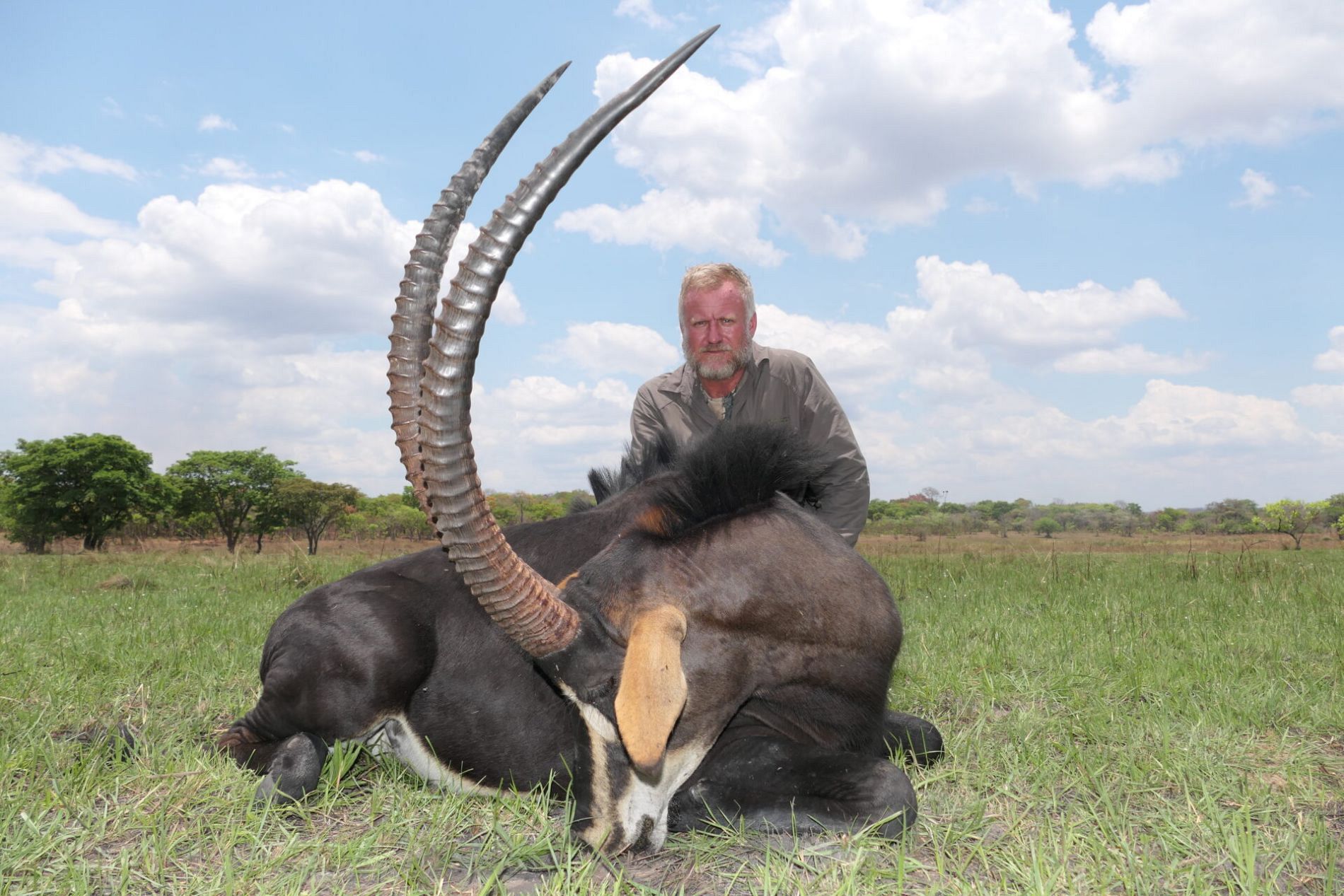
| Sable Antelope | Roosevelt's | 1 | 1 | $6,500 | |
| Serval Cat | 1 | $1,000 | |||
| Warthog | 1 | 2 | 2 | $1,000 | |
| Waterbuck | Common | 1 | 2 | 2 | $2,000 |
| Wild Cat | 1 | $500 | |||
| Zebra | Burchell's | 1 | 1 | 1 / 1 / 2 | $2,000 |
The list of game outlined above is available on licence, however due to quota limitations only key species can be guaranteed. We strongly suggest that you stipulate priority species upon booking your safari.
* Elephant, Lion & Leopard are only available on their respective licences, all are only included together on a 21 day Premium Full Bag.