Big Game Hunting with Wicker Safaris Ltd.
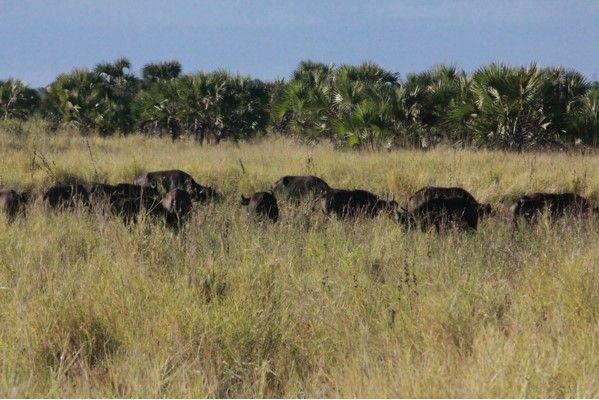
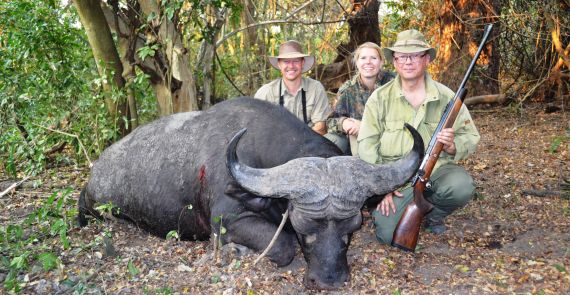
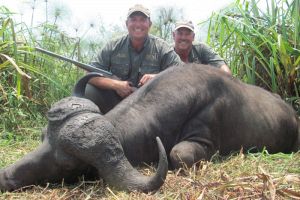
Mozambique offers authentic big game hunting in some of Africa’s wildest and most unspoiled natural areas. At Wicker Safaris Ltd., 135,000 hectares of wilderness, strong populations of African buffalo and intense stalking hunts on foot await. Dedicated wildlife management and effective anti-poaching efforts have made the area a truly exceptional destination for experienced hunters.
Highlights
- 135,000 hectares of authentic African wilderness
- Strong population of free-ranging buffalo
- Intense stalking hunts
- Many attractive big game and antelope species
- Effective wildlife management and anti-poaching efforts


7 days from $7,195
Mozambique – formerly known as Portuguese East Africa – is rapidly developing as a hunting destination. The country offers vast, untamed wilderness areas, a growing hunting industry and an increasing number of opportunities for hunters seeking an authentic African big game safari.
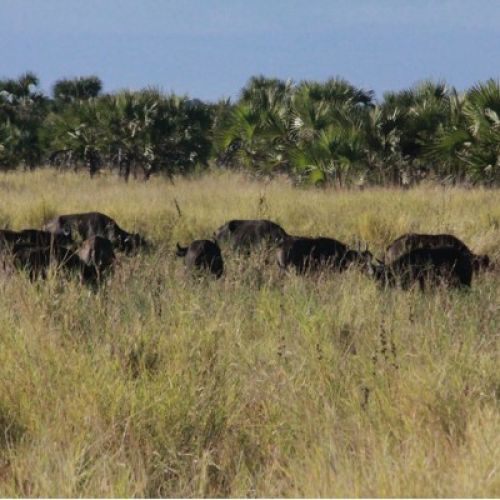
The hunting takes place in Coutada 14, an impressive hunting concession covering approximately 135,000 hectares. Together with Coutadas 10, 11 and 12 and the Marromeu Game Reserve, the area forms part of a continuous wilderness of more than one million hectares. Here, the wildlife roams freely under excellent natural conditions, while extensive efforts are made to manage the game populations and combat poaching.
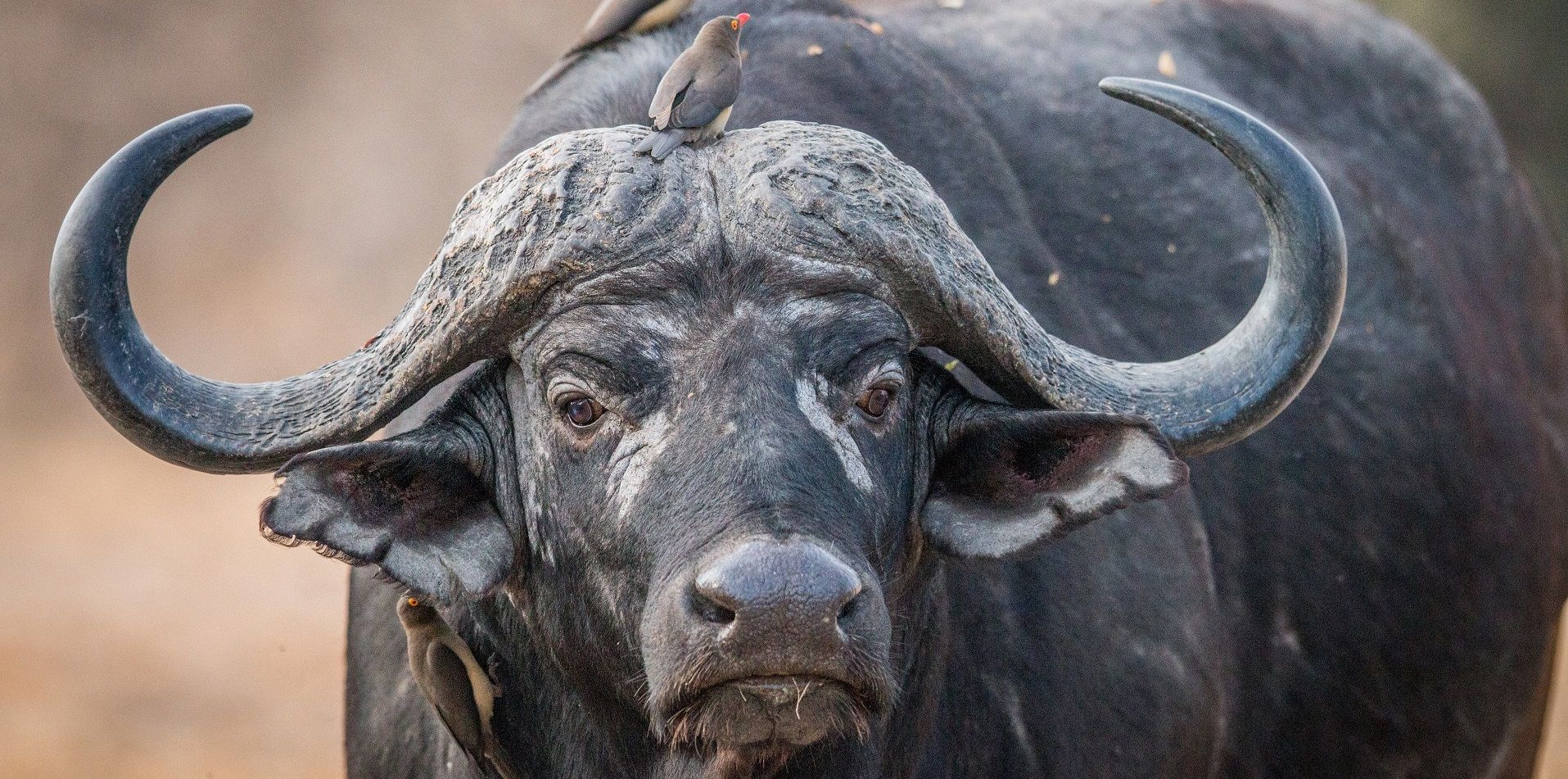
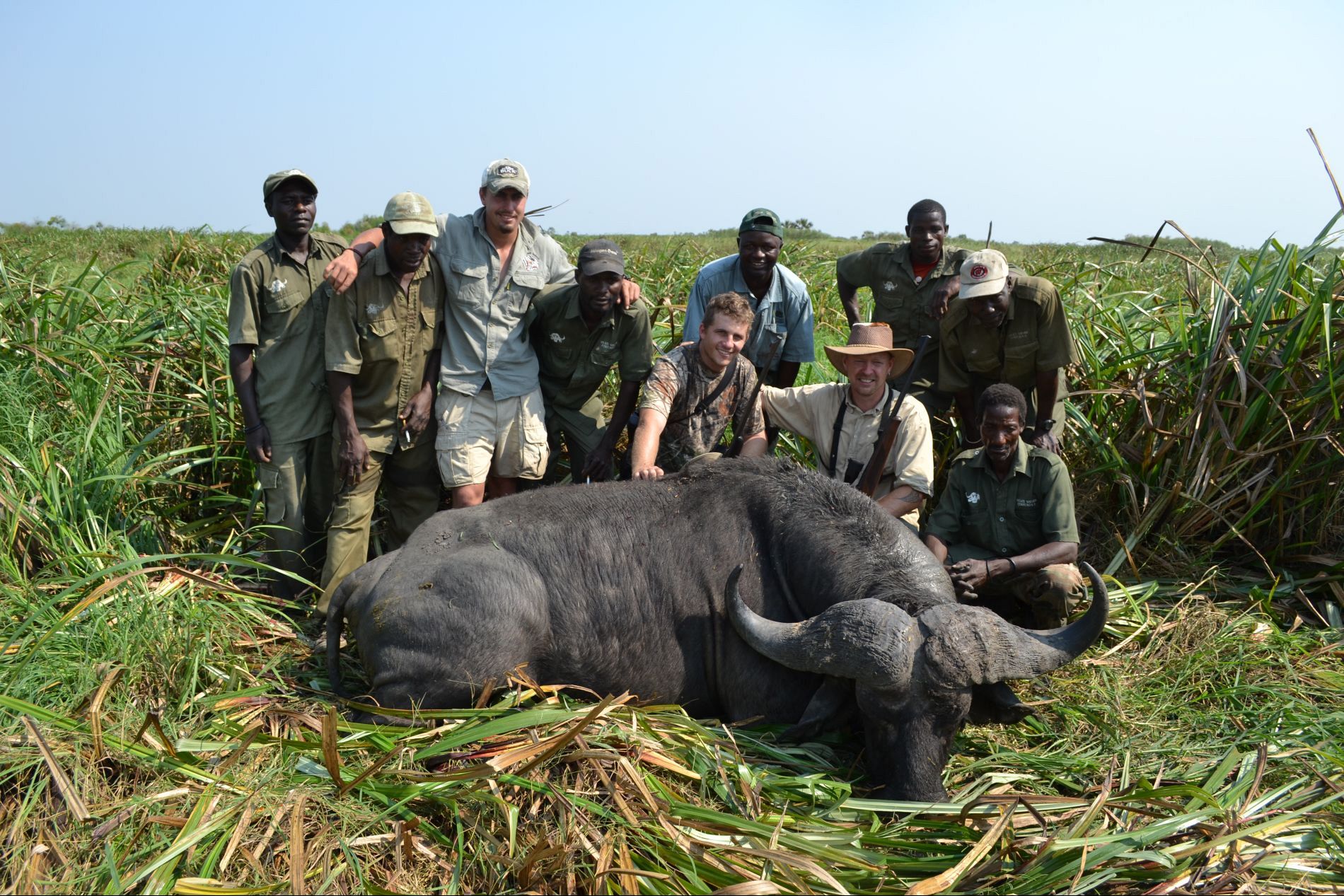
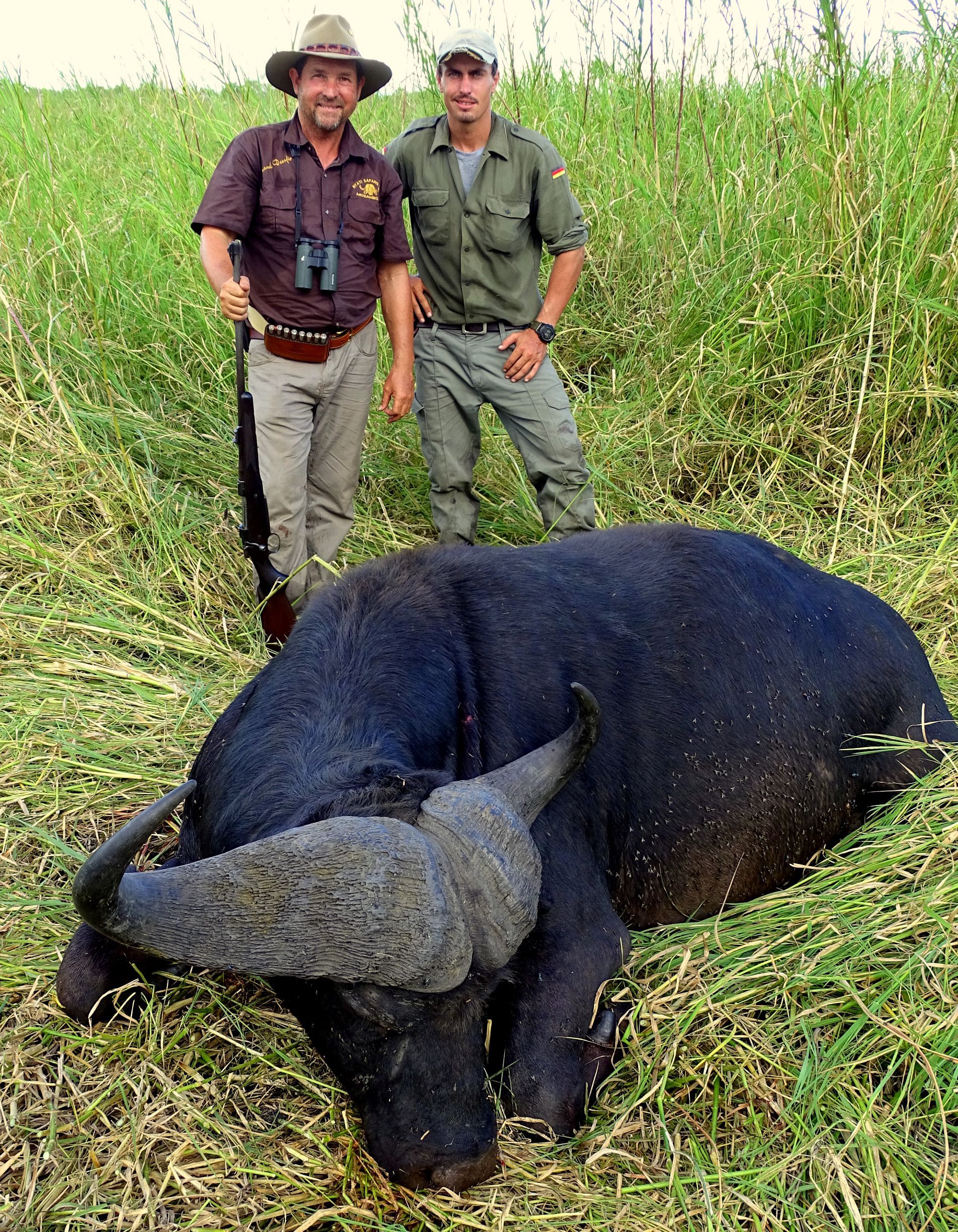
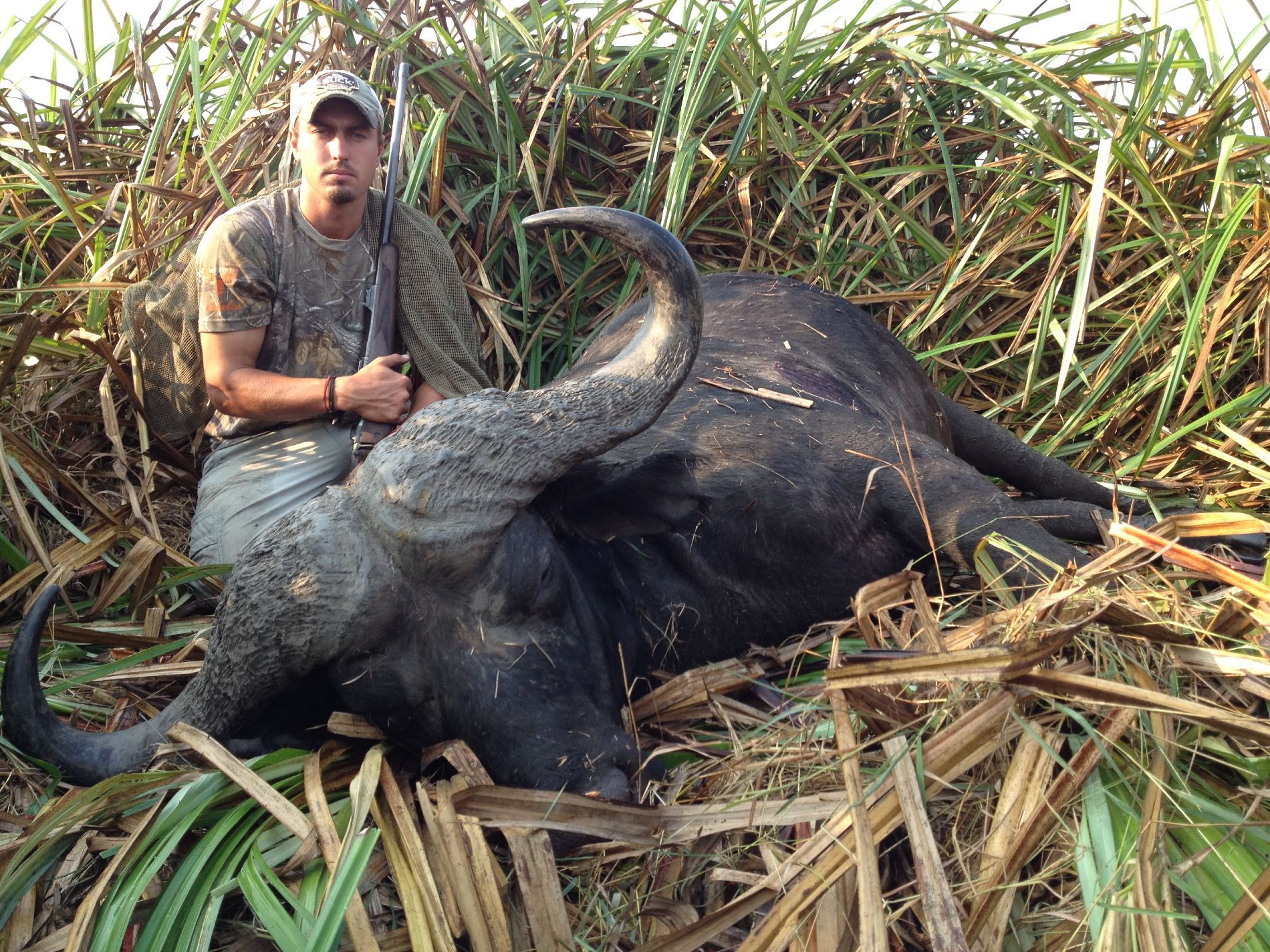
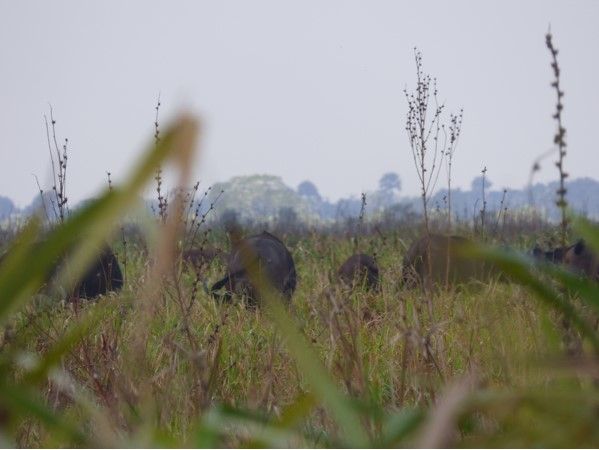
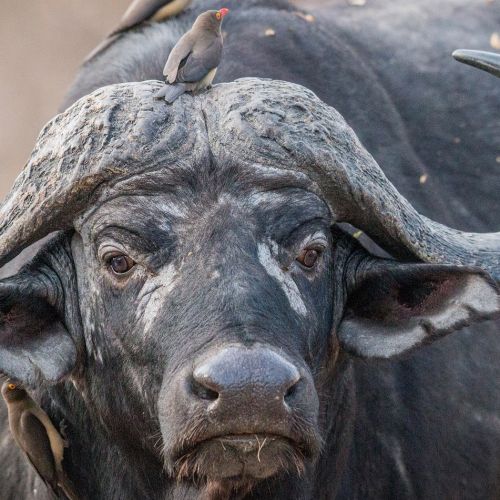
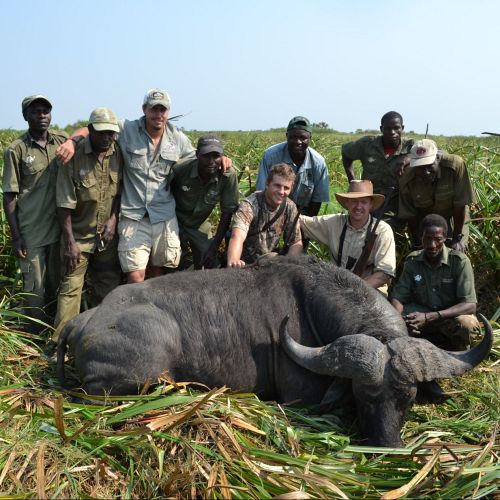
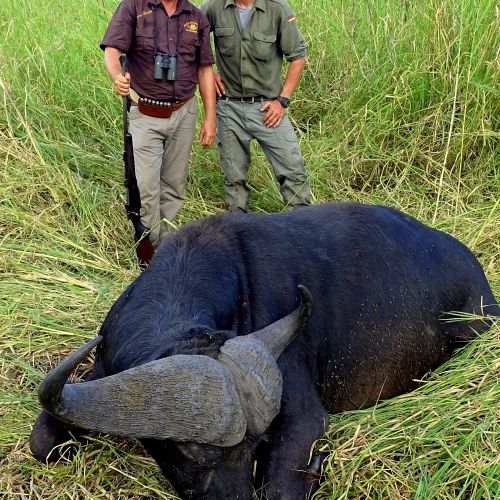
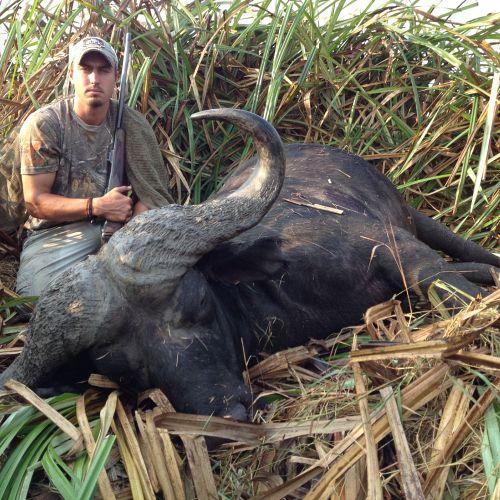
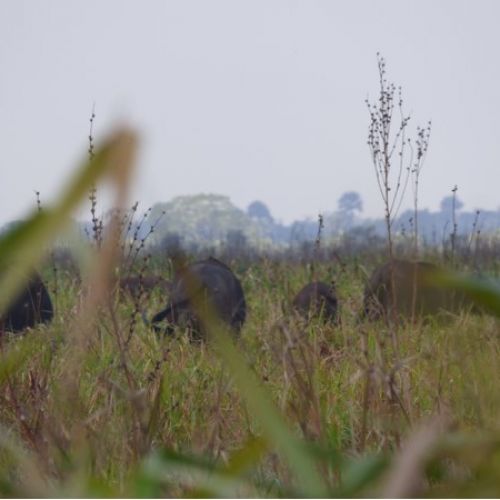
The African buffalo is the primary game species. The total population in the wider area is estimated at more than 20,000 animals, while between 2,000 and 6,000 buffalo are found in Coutada 14, depending on the season. The annual quota is limited to 50 buffalo, helping to maintain a strong and sustainable population.
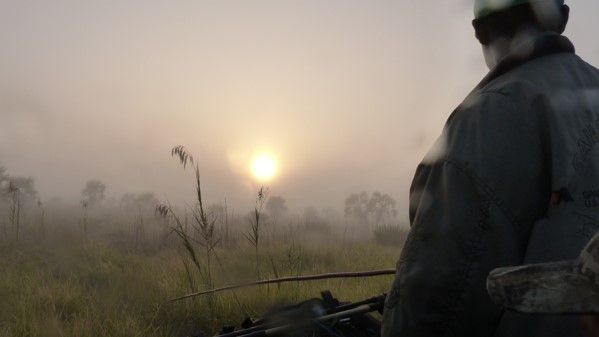
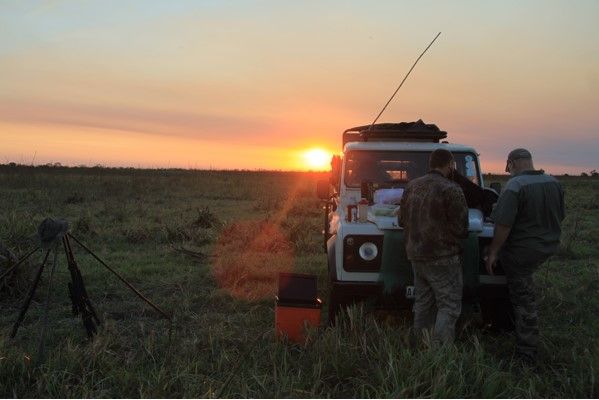
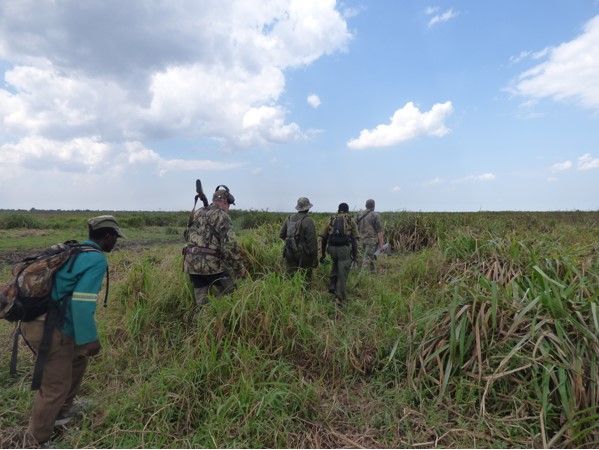
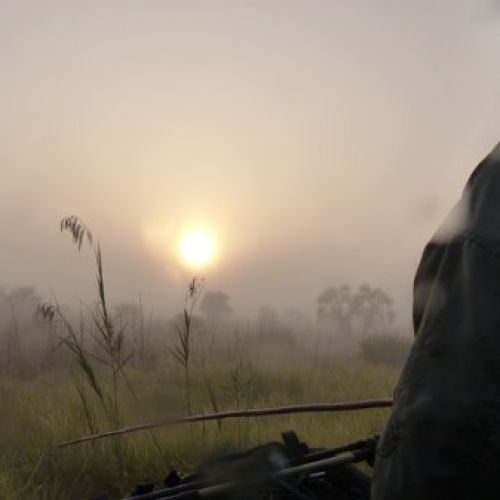
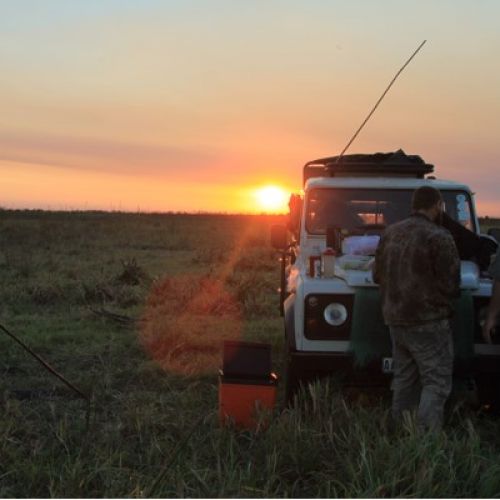
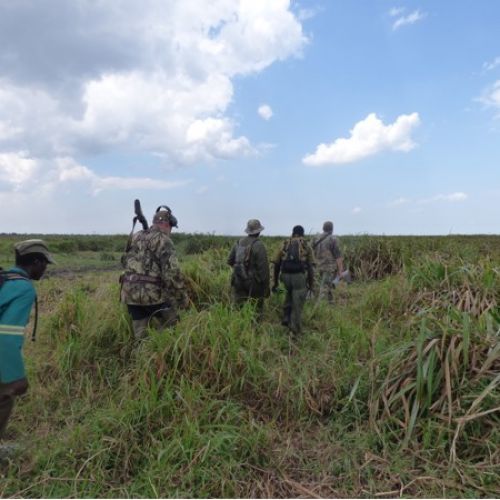
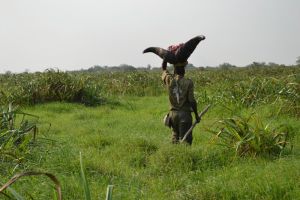
The hunting day begins early in the morning, when guests leave the camp in all-terrain Argo vehicles. Once game or fresh tracks have been located, the hunt continues on foot. Hunters should be prepared for several hours of stalking through terrain that can often be demanding. Buffalo are frequently taken at very close range, making the hunt both intense and exceptionally exciting. Hunting normally continues until nightfall, and lunch is often enjoyed out in the field.
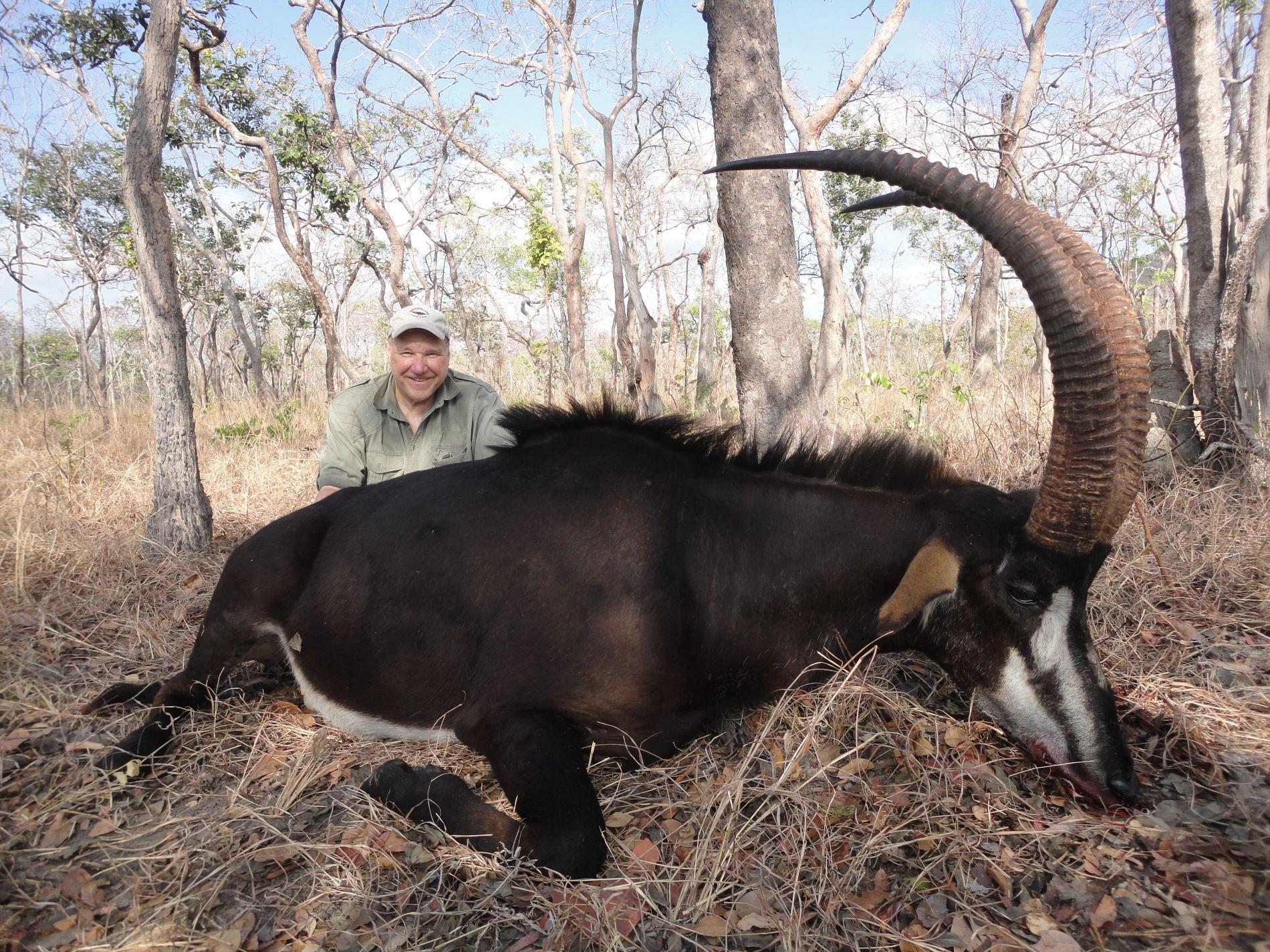
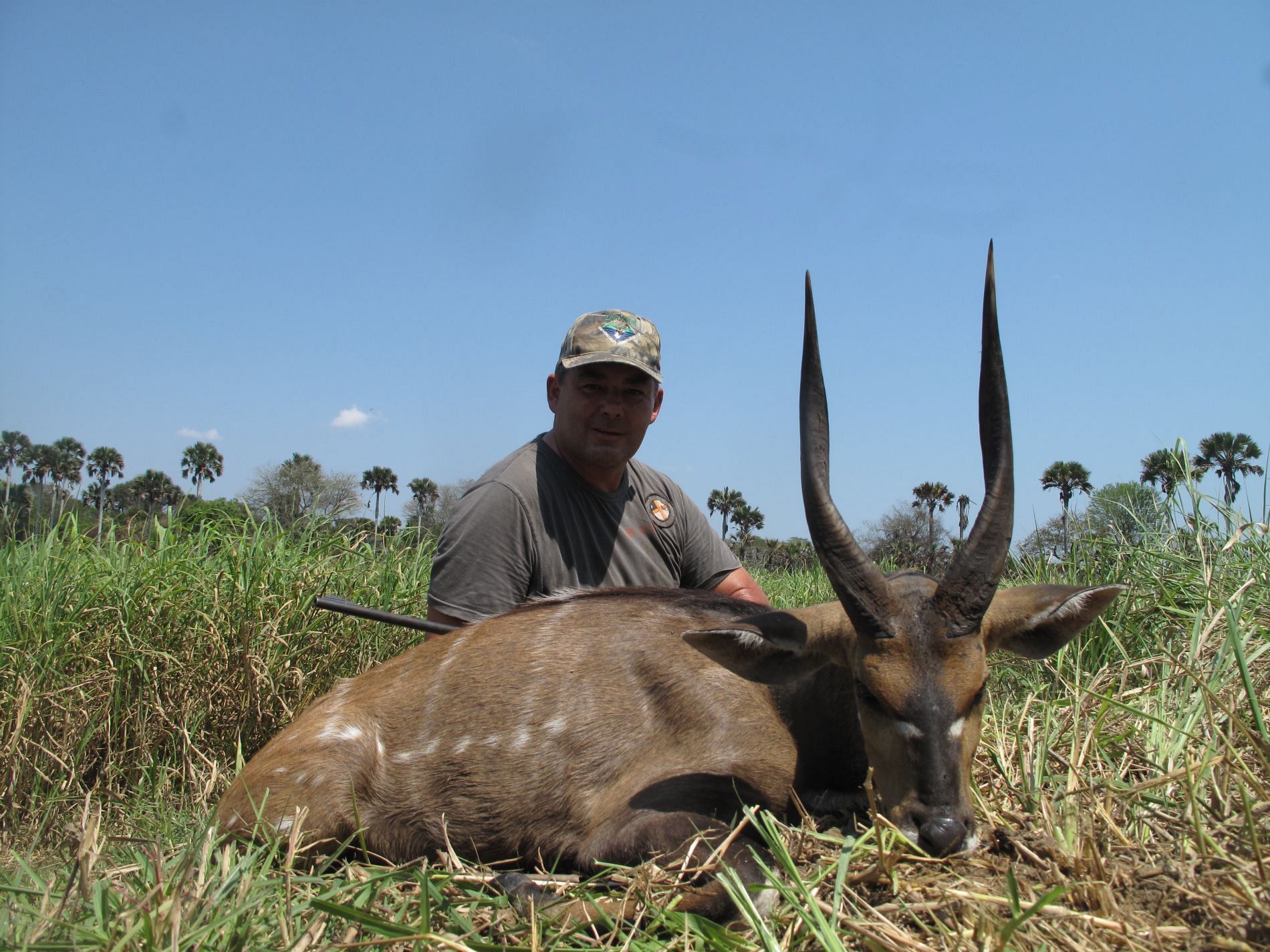
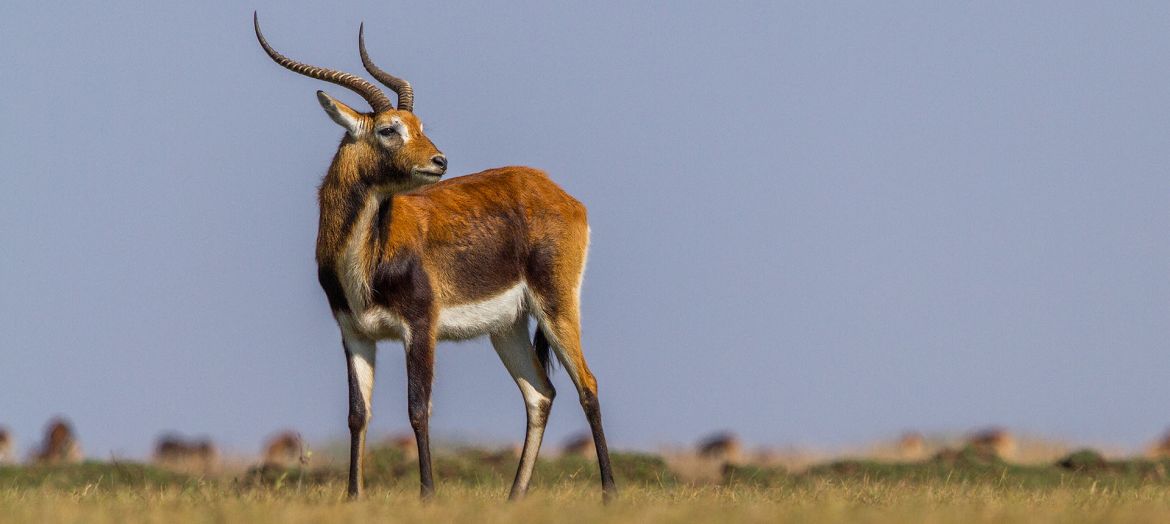
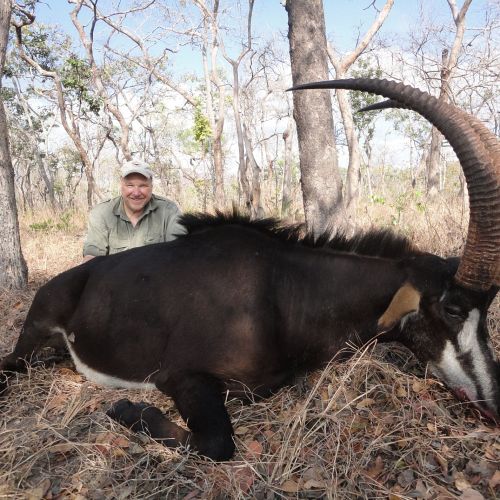
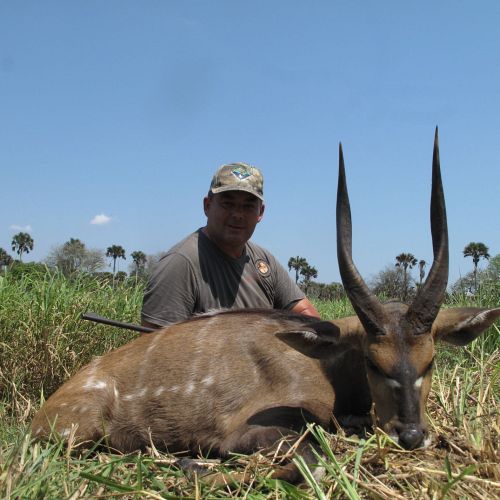
In addition to buffalo, there are excellent opportunities to hunt species such as sable, nyala, waterbuck, bushbuck and crocodile. The area is one of the few places where free-ranging populations of several of these species can still be encountered, sometimes in large herds. Smaller antelope species such as suni, oribi, red duiker and blue duiker have also attracted increasing interest among hunters in recent years.
Elephant and leopard hunts can also be arranged. Hunters wishing to combine buffalo hunting with leopard, elephant or several of the area’s attractive antelope species are advised to book a 14-day hunting safari.
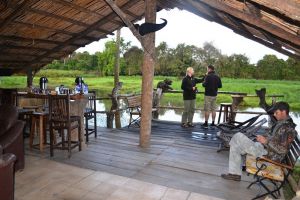
The camp is designed as a traditional big game camp with a simple and authentic atmosphere. It is not a luxury camp, but it offers all the necessary facilities. Guests are accommodated in private chalets with their own toilet and shower. There is also a communal dining area, bar and firepit, where the day’s experiences can be shared after the hunt.
Coutada 14 has been operated by Toni Wicker since 1994. Many years of restrictive hunting quotas, focused wildlife management and continuous anti-poaching efforts have produced remarkable results. Today, the area stands out as one of Mozambique’s most interesting hunting destinations for experienced hunters seeking big game hunting in a vast, continuous and authentic African wilderness.
Video Gallery
-
 Hunting in Africa
Hunting Area
Coutada 14
Coutada 14 is 135.000 Ha. in size and together with Coutada 10, 11, 12, plus the Marromeu Game Reserve it is part of a hunting district of over 1 million hectares. Here the game animals have a perfect habitat, and a lot of effort has been made in combating poaching in the district. he total population of buffalo in this huge area is over 20,000, while in Coutada 14 the population is between...
Read morePartner
Wicker Safaris Ltd.
Since 1994 the Coutada 14 hunting concession has been managed by Toni Wicker. During this time the restrictive shooting policies and the focus on game management (read anti-poaching measures) are now really bearing fruit, the annual quota of 50 buffalo representing the reaping of some of the profits.
Read moreGame
Baboon
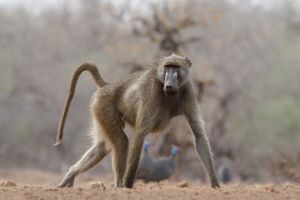
Scientific Name: Papio sp. Sub-species: Five species are currently recognised (this is some disagreement on whether they are true separate species or sub-species. The true number of sub-species is also currently unknown) Hamadryas baboon (P. hamadryas) - Horn of AfricaGuinea baboon (P. papio) - Far western AfricaOlive baboon (P. anubis)- north central african savannahYellow baboon (P....
Read more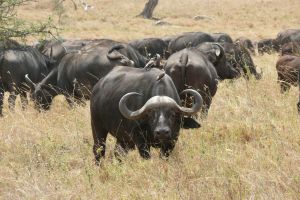
Buffalo, Cape
Videnskabeligt navn: Syncerus caffer Underarter: Dværgbøffel (Cyncerus c. nanus), Savannebøffel (Cyncerus c. S. c. brachyceros ), Nilbøffel (Syncerus caffer aequinoctialis). Cafferbøffel (Cyncerus caffer caffer Udbredelse: Nilbøflen er den af de fire arter der har det nordligste udbredelsesområde: Fra Senegal i vest i et bredt...
Read more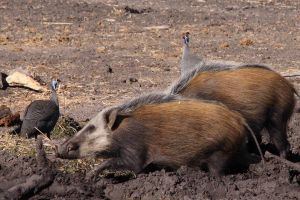
Bush Pig
Scientific Name: Potamochoerus porcus Subspecies: Up to 18 recognised species, here described as one. Distribution: All of Africa south of the Sahara Desert, excepting the desert of Namibia. Habitat: High forest, their fringes and thick bush country, often near rivers. Frequents fields where they cause much damage. Description: A domestic pig-like animal, weighing around 100 kg and measuring...
Read more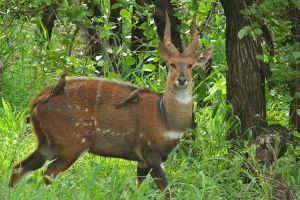
Bushbuck, Cape
Scientific Name: Tragelaphus Scriptus Subspecies: Science dissagree as to how many species there are. We have chosen to include those most relevant to trophy hunters: Tragelaphus s. ornatus, Tragelaphus s. massaicus, Tragelaphus s. sylvaticus. Distribution: Tragelaphus s. scriptus: The West African States Tragelaphus s. ornatus: Zimbabwe, Zambia, Zaire and East Angola Tragelaphus s. massaicus:...
Read more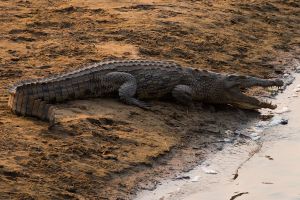
Crocodile, Nile
Scientific Name: Crocodylus niloticus Subspecies: No subspecies are currently formally recognised, however up to seven have been proposed. Distribution: The most common African crocodile, present over much of the sub-Saharan Africa from Lake Nasser in Egypt and the River Nile Sudan to the north to the Okavango Delta of Botswana and the Olifants River of South Africa in the...
Read more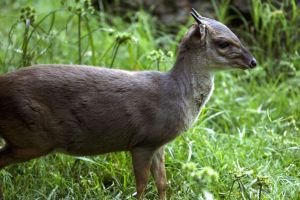
Duiker, Blue
Scientific Name: Cephalophus monticola Subspecies: Up to 18 subspecies of the Blue Duiker are recognised. Distribution: Cameroun, Gabon, Congo (Brazz.), Congo (Zaire), Uganda, Tanzania, Kenya, Zambia, Mozambique, Zimbabwe and South Africa. Habitat: Densely wooded country. Often along rivers. Description: Small antelope weighing 8 - 10 kg with a shoulder height of 30 - 40 cm. General colour...
Read more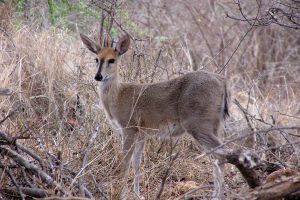
Duiker, Grey/Duiker, Grimm's (Common)
Scientific Name: Sylvicapra Grimmia Subspecies: Classification of subspecies is very variable, we have chosen only to count two: Western Bush Duiker and East African Bush Duiker. Distribution: From the desert rim in Northern Africa to the Southern tip of the Continent, the West African rainforest excepted. Habitat: As the species is a typical bush duiker it lives, as the name suggests in...
Read more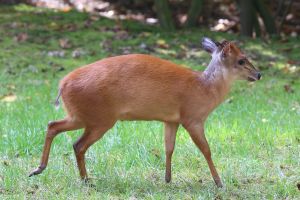
Duiker, Red
Videnskabeligt navn: Cephalophus natalensis Underarter: Ingen. Udbredelse: Udbredelsesområdet for denne art følger et bredt bælte langs den afrikanske østkyst fra Somalia i nord til Natal i Sydafrika i syd. Levested: Foretrækker tætte skovbevoksninger men findes også i visse områder i bush. Beskrivelse: Lille rødbrun antilope med en...
Read more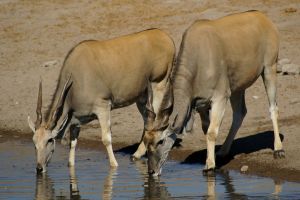
Eland, Cape/Livingstone, Patterson's
Scientific Name: Taurotragus oryx livingstoneiSubspecies: SCI lists Cape Eland as Tragelaphus oryx with three subspecies, which means that SCI counts the Cape Eland with the spiral horned antelopes. We have chosen to list Cape Eland under it's scientific name Taurotragus with two subspecies: Livingstone's Eland (Taurotragus oryz livingstonei) East African Eland (Taurotragus o....
Read more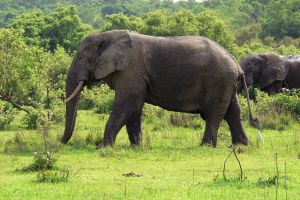
Elephant (Africa)
Videnskabeligt navn: Loxodonta afrikana Underarter: Forest Elephant (Loxodonta a. cyklotis) Pygmy Elephant (Loxodonta a. pumilio) Udbredelse: De tre arters samlede udbredelsesområde: Hele Afrika syd for Sahara. Dog bør det nævnes at i Vestafrika lever elefanterne i dag i små isolerede bestande, og først fra Cameroun og østover kan man tale om...
Read more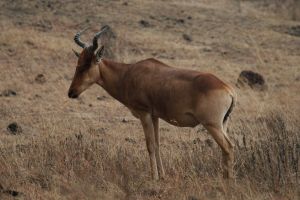
Hartebeest, Lichtensteins
Videnskabeligt navn: Alcelaphus b lichtensteini Underarter: Er selv en underart af Alcelaphus buselaphus Udbredelse: Tanzania, Congo, Mozambique, Zambia, Zimbabwe og Angola. Levested: Åben bush og græssletter. Beskrivelse: Mellemstor antilope, der vejer ca. 170 kg og måler 120 - 140 cm over skuldrene. Skindfarven er lys brun. Hornene der er de mindst kraftige hos...
Read more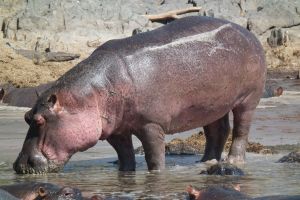
Hippopotamus
Videnskabeligt navn: Hippopotamus amphibius Underarter: Ingen. Udbredelse: I stort set samtlige lande syd for Sahara. Levested: Langs floder og i søer. Beskrivelse: Flodhesten er næst efter elefanten det største landlevende pattedyr. Flodhesten har en kompakt krop og korte kraftige ben. Den opnår en vægt på op til 3,5 tons og en højde på 1,5...
Read more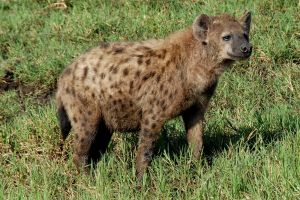
Hyena, Spotted
Videnskabeligt navn: Crocuta crocuta Underarter: Ingen. Udbredelse: Det meste af Afrika med udtagelse af den vestafrikanske regnskov og Sydafrika. Levested: Åben bush og græssletter. Beskrivelse: Mellemstort hundelignende dyr med kompakt krop og kraftige ben. Den opnår en vægt på ca. 70 kg og en højde på 80 cm målt over skuldrene. Hovedet er...
Read more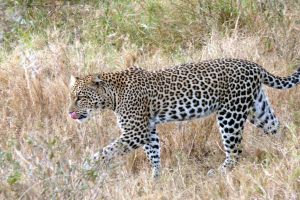
Leopard (Africa)
Videnskabeligt navn: Panthera pardus Underarter: Ingen Udbredelse: Hele Afrika syd for Sahara. Levested: Alle typer af terræn (selv udkanten af boligområder). Beskrivelse: Mellemstort dyr af kattefamilien med kompakt krop og kraftige ben. Leoparden kan opnå en vægt på 60 - 90 kg og en højde på ca. 70 cm. Skindet er gyldent med sorte ringe. Leoparden...
Read more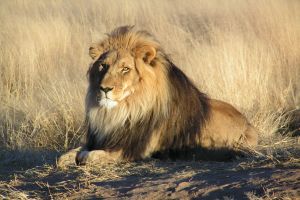
Lion (Africa)
Videnskabeligt navn: Panthera leo Underarter: Der anerkendes op til 7 geografiske underarter af løve. De beskrives her alle under et. Udbredelse: De forskellige løveunderarter har et fælles udbredelsesområde, der strækker sig fra Senegal i vest til Ethiopien og Somalia i øst samt i et bredt bælte langs Afrikas østkyst til det nordlige...
Read more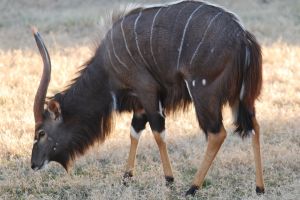
Nyala
Videnskabeligt navn: Tragelaphus angasi Underarter: Ingen. Udbredelse: Sydafrika, Mozambique, Zimbabwe, Zambia og Malawi. Levested: Tæt bush og i krat langs floder og vandløb. Beskrivelse: Middelstor antilope på 110 - 130 kg og en højde på 110 - 120 cm. Pelsfarven er gråbrun med hvide og lysebrune aftegninger. Nyalaen har ca. 11 hvide tværstriber....
Read more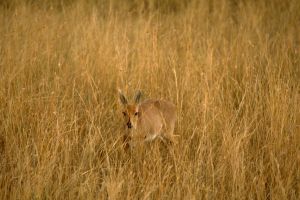
Oribi
Videnskabeligt navn: Ourebia ourebi Underarter: Der anerkendes op til 13 underarter. Den eneste underart, der adskiller sig tydeligt fra de andre er Haggard Oribien Udbredelse: Sydafrika, Mozambique, Zimbabwe, Botswana, Namibia (Caprivi), Angola, Zambia, Tanzania, Kenya, Somalia, Sudan, Chad, C.A.R, Cameroun, samtlige vestafrikanske stater til Senegal. Levested: Åben bush og...
Read more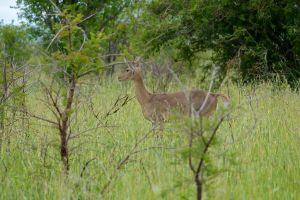
Reedbuck (Common)
Scientific Name: Redunca arundinum Subspecies: None Distribution: Angola, Southern part of Congo, Southern Tanzania, Zambia, Mozambique, Zimbabwe, Botswana, Namibia (Caprivi) and South Africa. Habitat: Open bush and savanna Description: Middlesized antelope with a shoulderheight of up to 100 cm and a weight of 70 - 80 kg. General colour uniform greyish fawn, tinged with brown, with a white...
Read more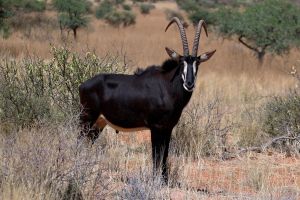
Sable Antelope (Africa)
Videnskabeligt navn: Hippotragus niger Underarter: Hippotragus n. kirkii, Hippotragus n. roosevelti. Giant Sable (Hippotragus n. Variani) beskrives ikke da den på nuværende tidspunkt er truet af udryddelse. Udbredelse: Sydafrika, Mozambique, Zimbabwe, Zambia Botswana, Namibia, Tanzania og Kenya. Levested: Åben bush og græssletter men findes også ofte i miombo- og...
Read more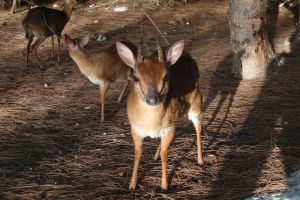
Suni, Common
Videnskabeligt navn: Neotragus moschatus Underarter: Livingstone's Suni (Neotragus m. livingstonianus). Udbredelse: Common Suni: Kenya og Tanzania. Livingstone's Suni: Mozambique og Sydafrika. Levested: Tæt krat og underskov. Beskrivelse: Lille antilope med en vægt på op til 6 kg og en skulderhøjde, der normalt ikke overstiger 40 cm. Sunien er lysebrun med hvide...
Read more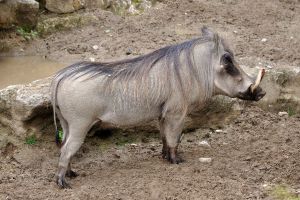
Warthog
Videnskabeligt navn: Phacochoerus aethiopicus Underarter: Der anerkendes op til 7 underarter, der her beskrives under et. Udbredelse: Hele Afrika syd for Sahara med undtagelse af den vestafrikanske regnskov samt ørken områder i Namibia. Levested: Åben bush og græssletter. Beskrivelse: Mindre griselignende dyr der opnår en vægt på 100 kg og en...
Read more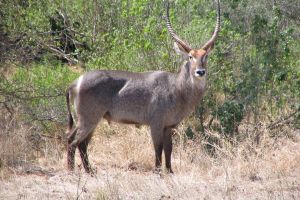
Waterbuck
Videnskabeligt navn: Kobus Defassa Underarter: Common Waterbuck (Kobus d. ellipsiprymnus), Defassa Waterbuck (Kobus d. defassa) Crawshay's Waterbuck (Kobus d. crawshayi). Sing Sing Waterbuck (Kobus d. unctuosus) Udbredelse: Defassa Waterbuck: Kenya, Tanzania, Ethiopien Sudan. Common Waterbuck: Sydafrika, Mozambique, Zimbabwe, Botswana, Zambia, Tanzania, Kenya, Sudan. Crawshay's Waterbuck:...
Read morePrices

The price includes
- hunting, as described above
- Accommodation with full board
- Laundry service
- All transport in the hunting district
- Skinning and field preparation of trophies
- Weapons licence for 1 rifle
- Hunting license
- Transfer of trophy to an export agency
The price does not include
- Return flights from northern Europe - Beira, Mozambique
- Airport taxes and related fees
- Charter flight, Beira to Camp, US$ 1.500 pr. pers, payable directly.
- Trophy fees
- Dip and Pack plus shipment of trophy
- Any weapon hire plus ammunition
- Visa and gratuities
- EU-public liability insurance € 10,00.-
- Cancellation- and hunting travel insurance
- Everything else not listed under “the price includes”
Diana Hunting Tours has partnered with the travel insurance company European (ERV) and is pleased to offer you an ideal travel insurance solution for your hunting trip, as well as cancellation insurance in case you need to cancel the trip due to illness.
Please note that this insurance offer is available only to residents of Denmark, Norway, Sweden, Iceland, Greenland, the Faroe Islands, Germany, Finland, and the Netherlands.
If you would like to purchase travel or cancellation insurance through Diana Hunting Tours, please contact your travel consultant or our support team at +45 62 20 25 40, or send an email to info@diana.dk.
Trophy pricelist (USD)
| Species | USD |
| Baboon | 375 |
| Blue Duiker | 1895 |
| Buffalo 1st | 5250 |
| Buffalo 2nd | 6350 |
| Buffalo 3rd | 7450 |
| Buffalo 4th | 9650 |
| Bushpig | 950 |
| Chobe Bushbuck | 1695 |
| Crocodile | 4450 |
| Livingston Eland | 4000 |
| Hippo | 7250 |
| Leopard | 9795 |
| Licht. Hartebeest | 2295 |
| Zebra | 4250 |
| Livingstones Suni | 1850 |
| Nyala | 3750 |
| Oribi | 1650 |
| Red Duiker | 1750 |
| Reedbuck | 1350 |
| Sable | 7750 |
| Warthog | 1095 |
| Waterbuck | 3350 |
PLEASE NOTE:
- All prices are quoted in U.S. Dollars.
- Wounded animals are considered taken and must be paid in full before leaving camp.
- On 7 days Buffalo Hunt Package - only Bushbuck, Reedbuck, Warthog, Bushpig and Crocodile can be taken.