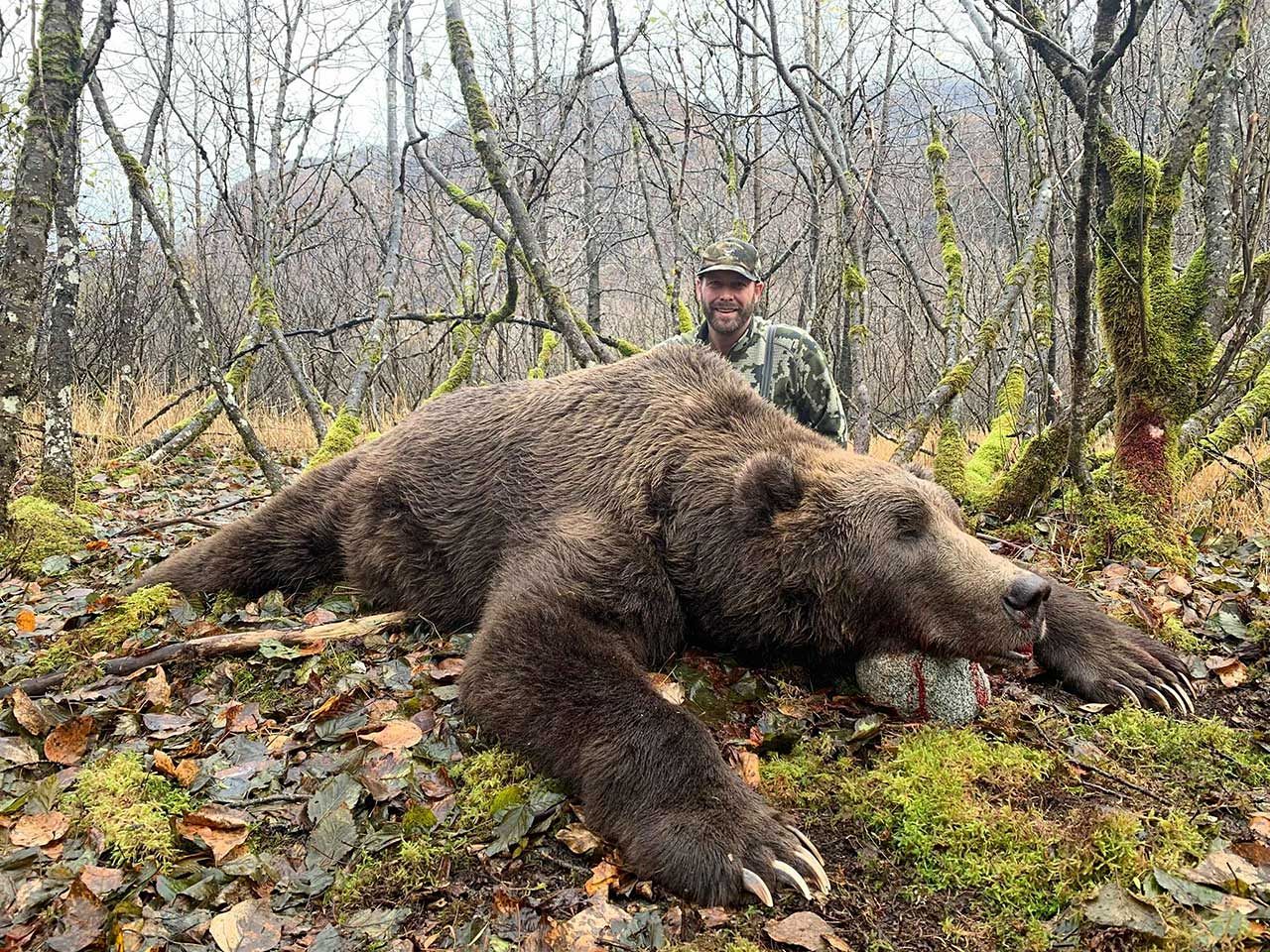
Brown Bear and Wolf Hunt in Alaska
A dream hunt for all hunters fascinated with Alaska and its rugged wilderness
Highlights
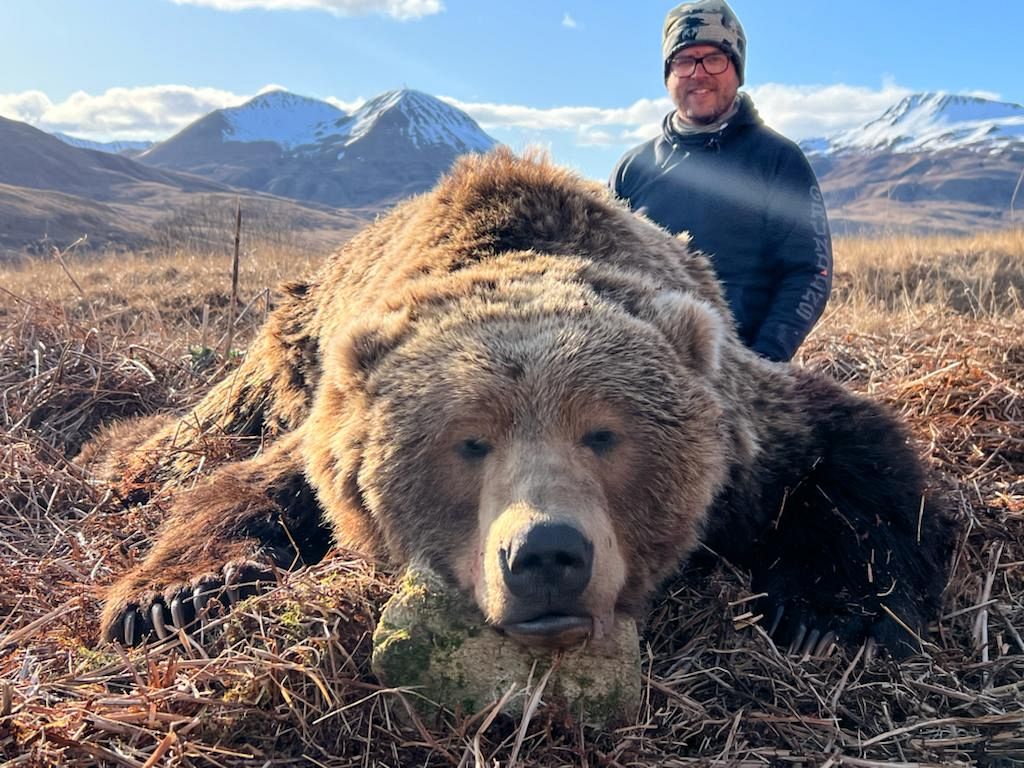
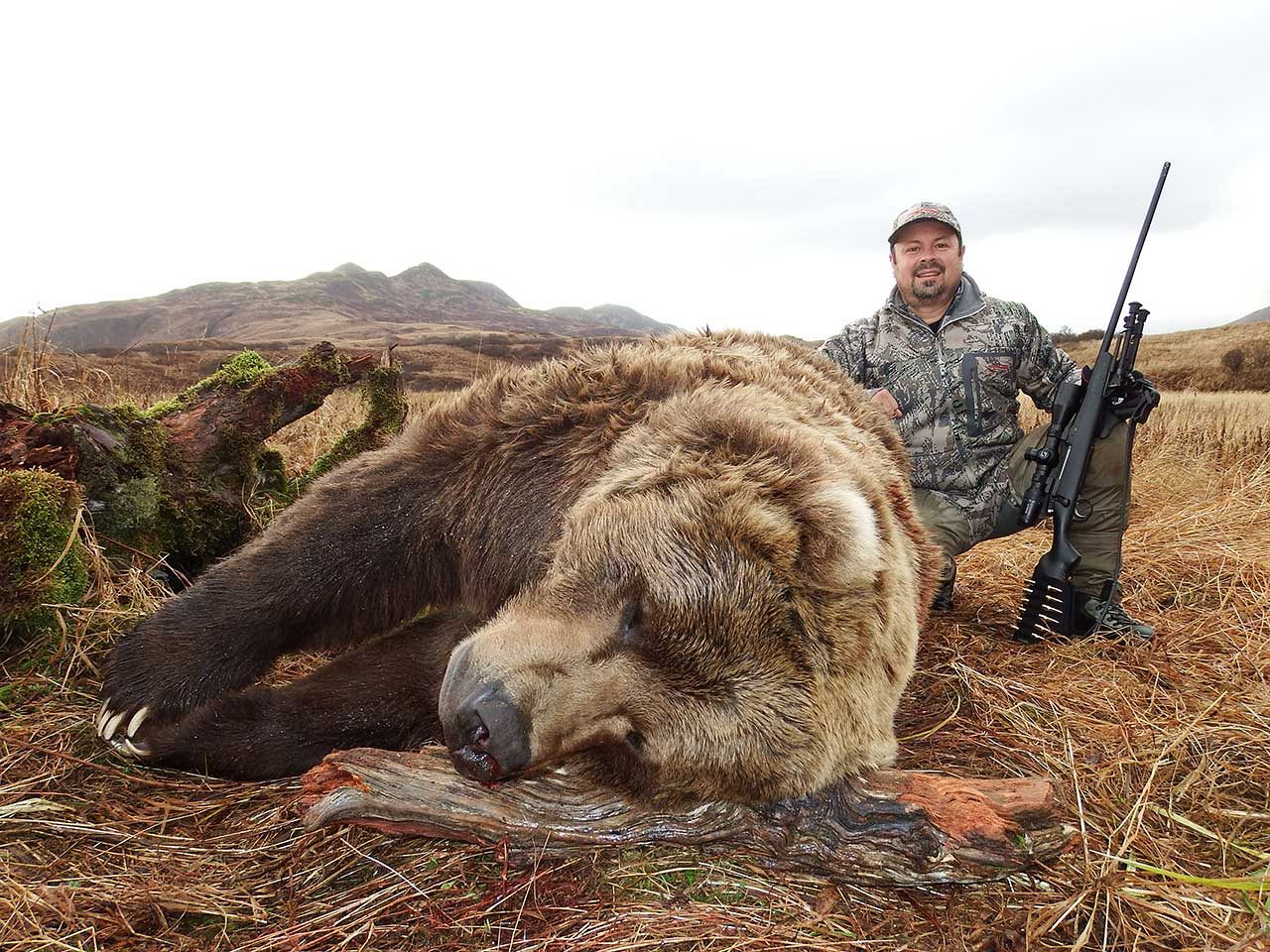
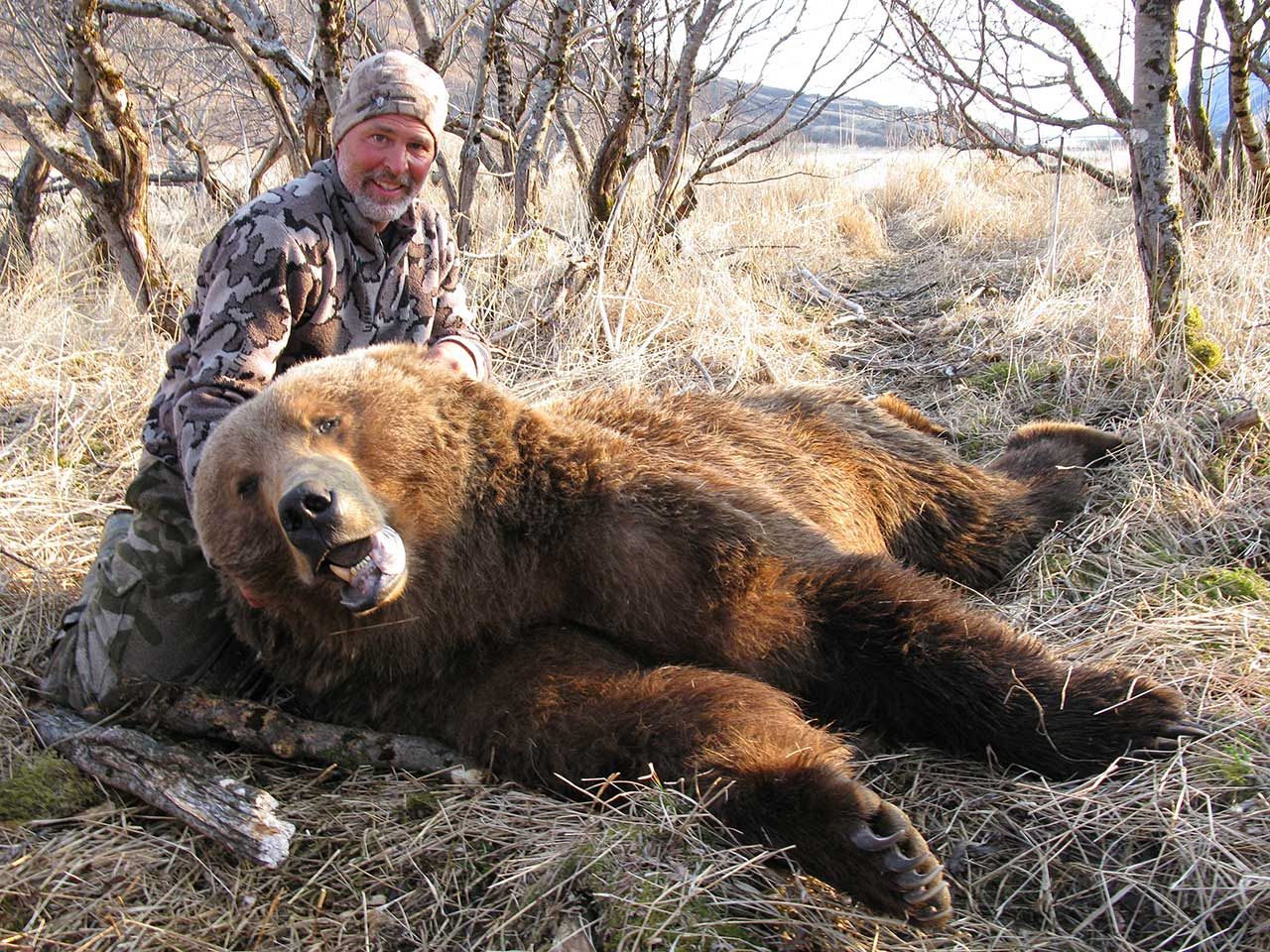
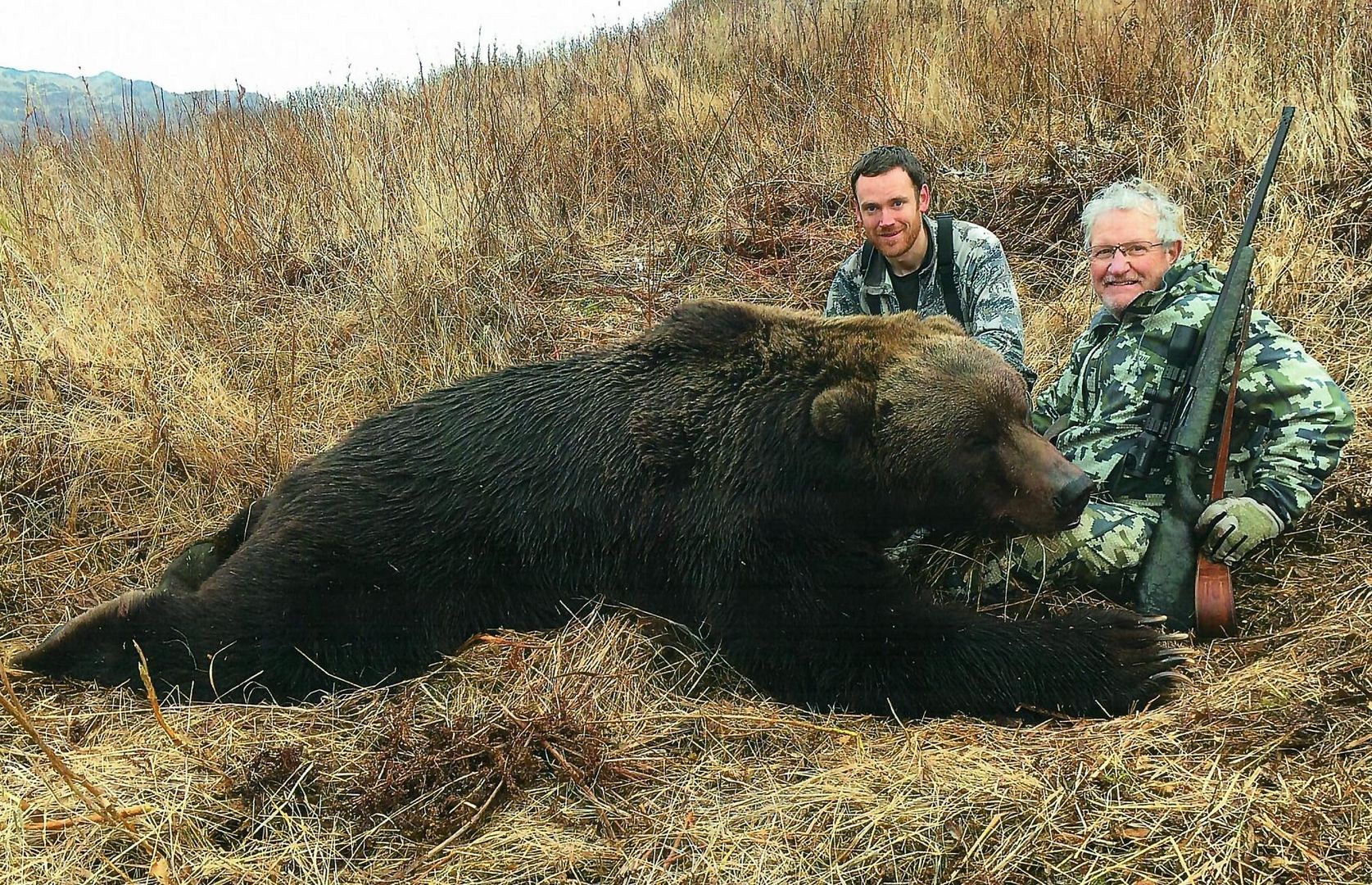
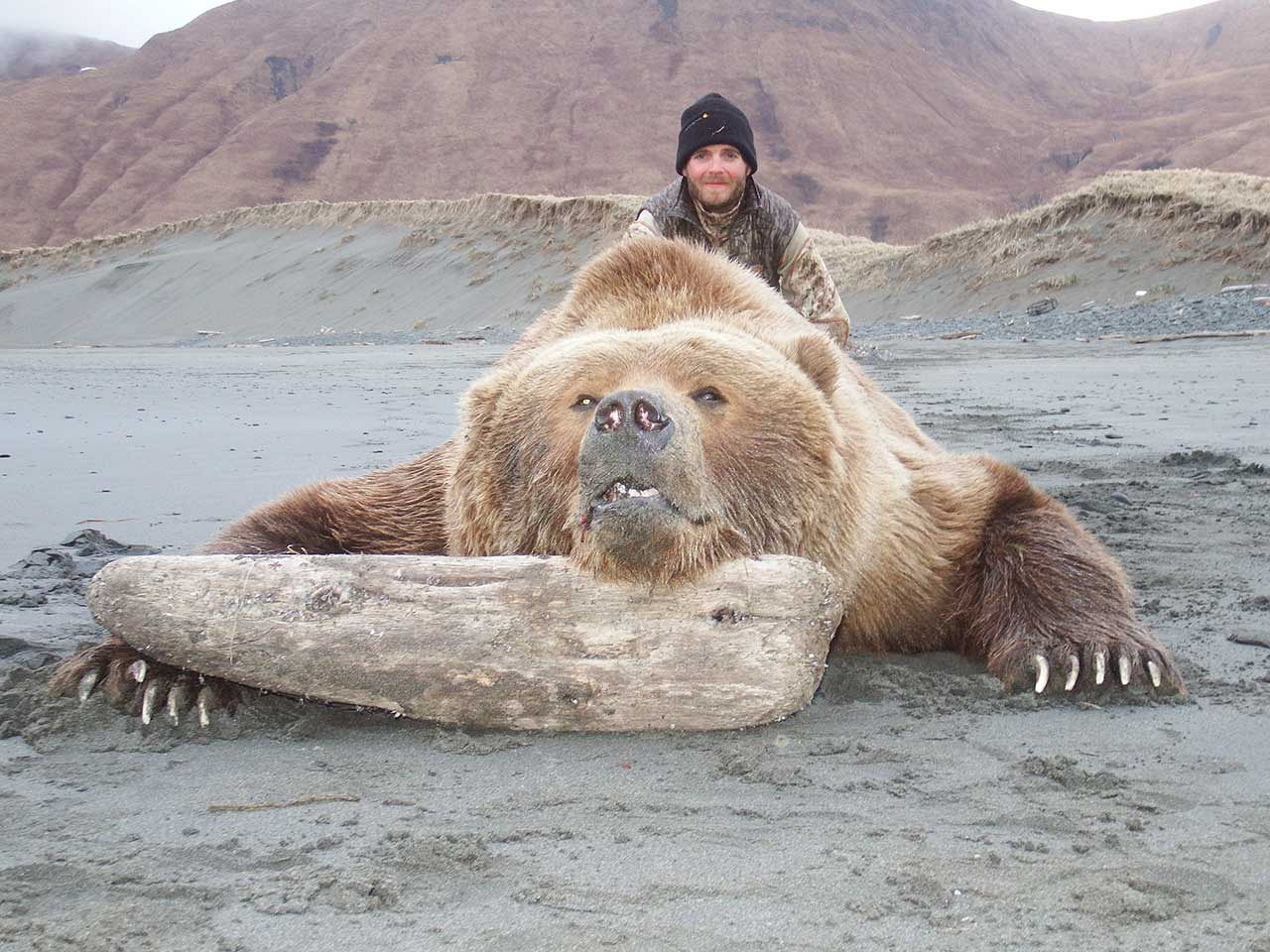
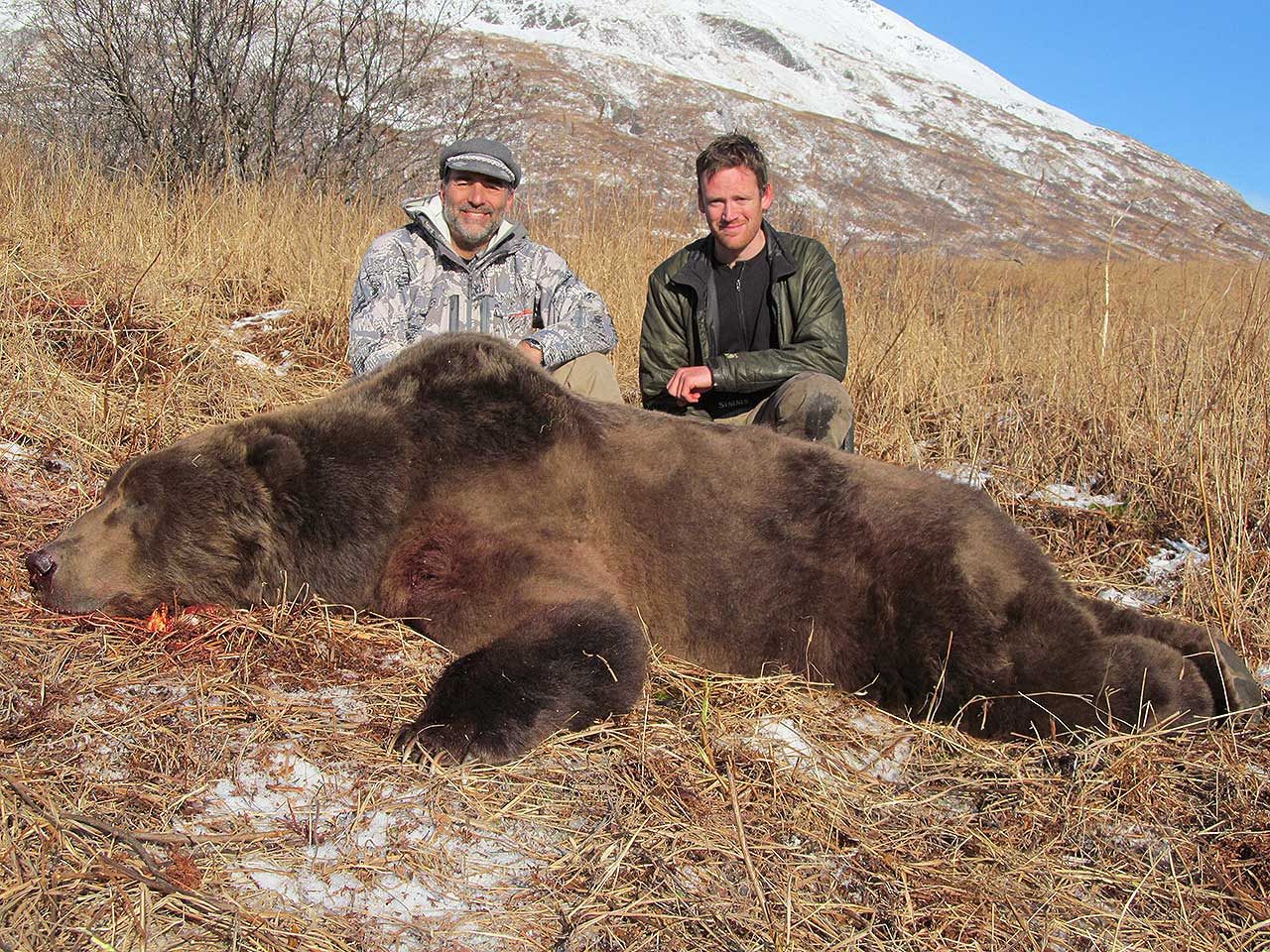
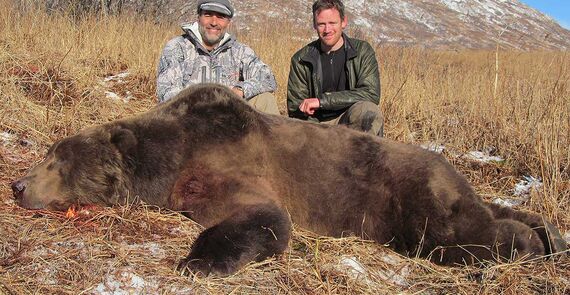
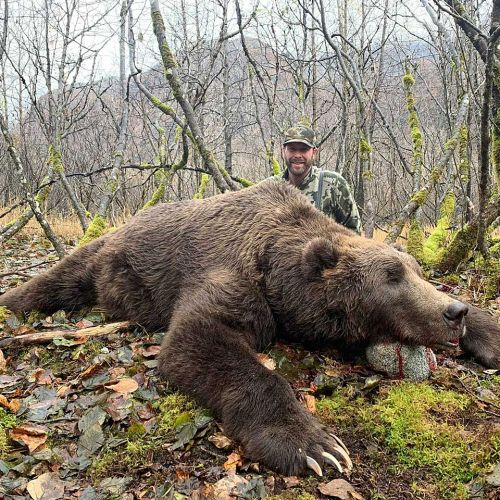
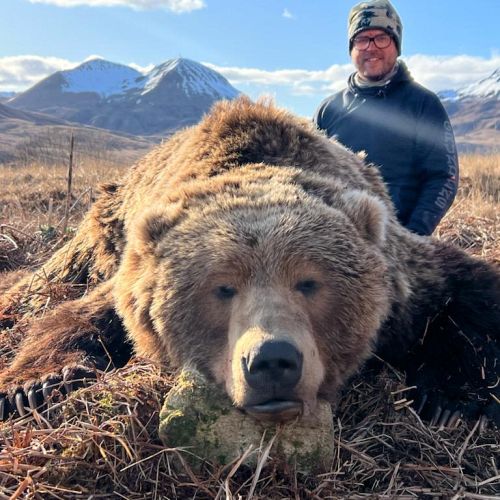
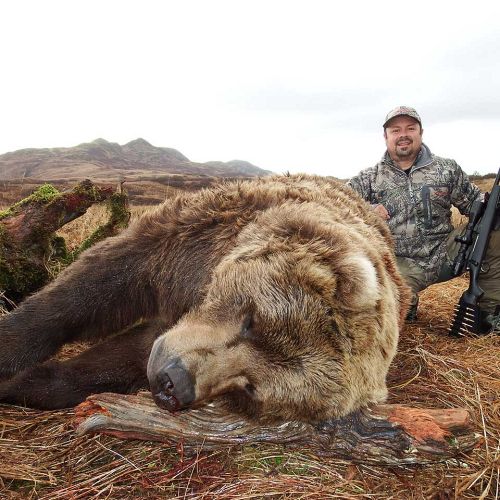
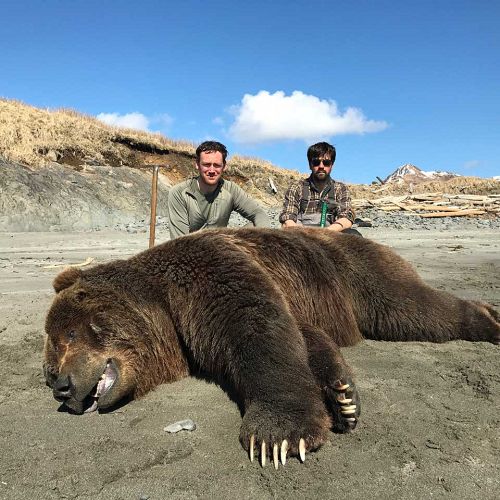
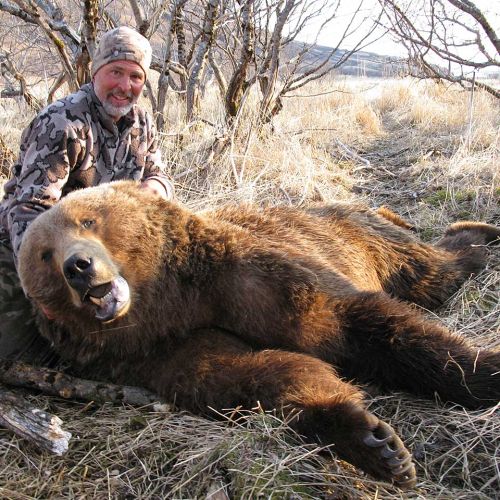
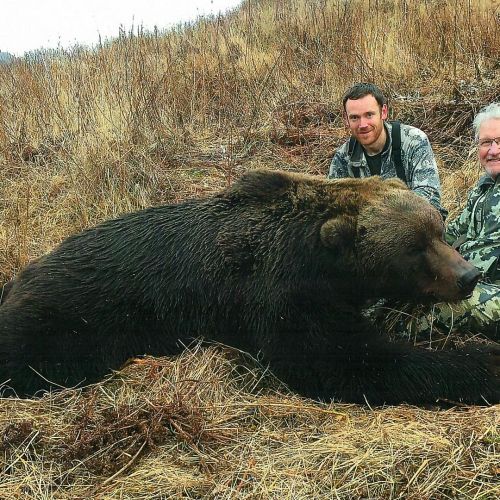
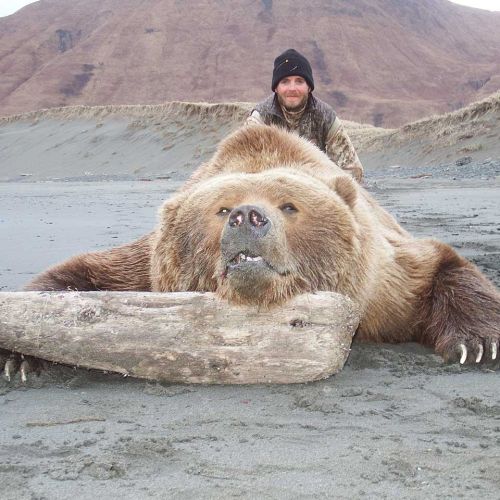
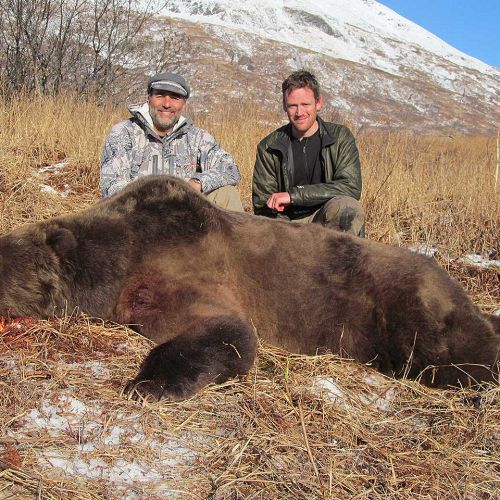
- Stand face to face with a huge brown bear
- Experience sleeping out in the wilderness
- Spectacular Alaskan scenery


15 days from $56,995
Katmai Guide Service
Katmai Guide Service offers fully guided hunts on federally permitted lands for brown bear, mountain goat, and Sitka black-tailed deer on Kodiak Island. They also offer brown bear and moose hunts in the Becharof National Wildlife Refuge, located along the southern boundary of Katmai National Park, as well as in the Aniakchak National Monument and the Meshik River Valley on the Alaska Peninsula.
The Hunt
A Kodiak brown bear hunt begins with your arrival in the city of Kodiak on Kodiak Island. The outfitter will meet hunters at the airport and assist with obtaining all necessary permits and hunting licenses. Afterward, there is an opportunity to visit local hunting and outdoor stores to purchase any additional equipment that may be needed during the hunt. Most hunters spend their first night at a hotel in Kodiak before flying out to the hunting camp the following morning.
Upon arrival at camp, hunters receive a detailed briefing on the upcoming days of hunting and are assigned their hunting guide. Most hunts are conducted with two guides per hunter. The camp is located just 100 meters from the shoreline, and the main camp consists of traditional Kodiak-style double-wall tents and WeatherPort tents, all equipped with diesel or propane heaters, generator-powered electricity, and comfortable beds. The camp offers a high level of comfort, and guests are served excellent meals, much of which consists of fresh seafood caught locally.
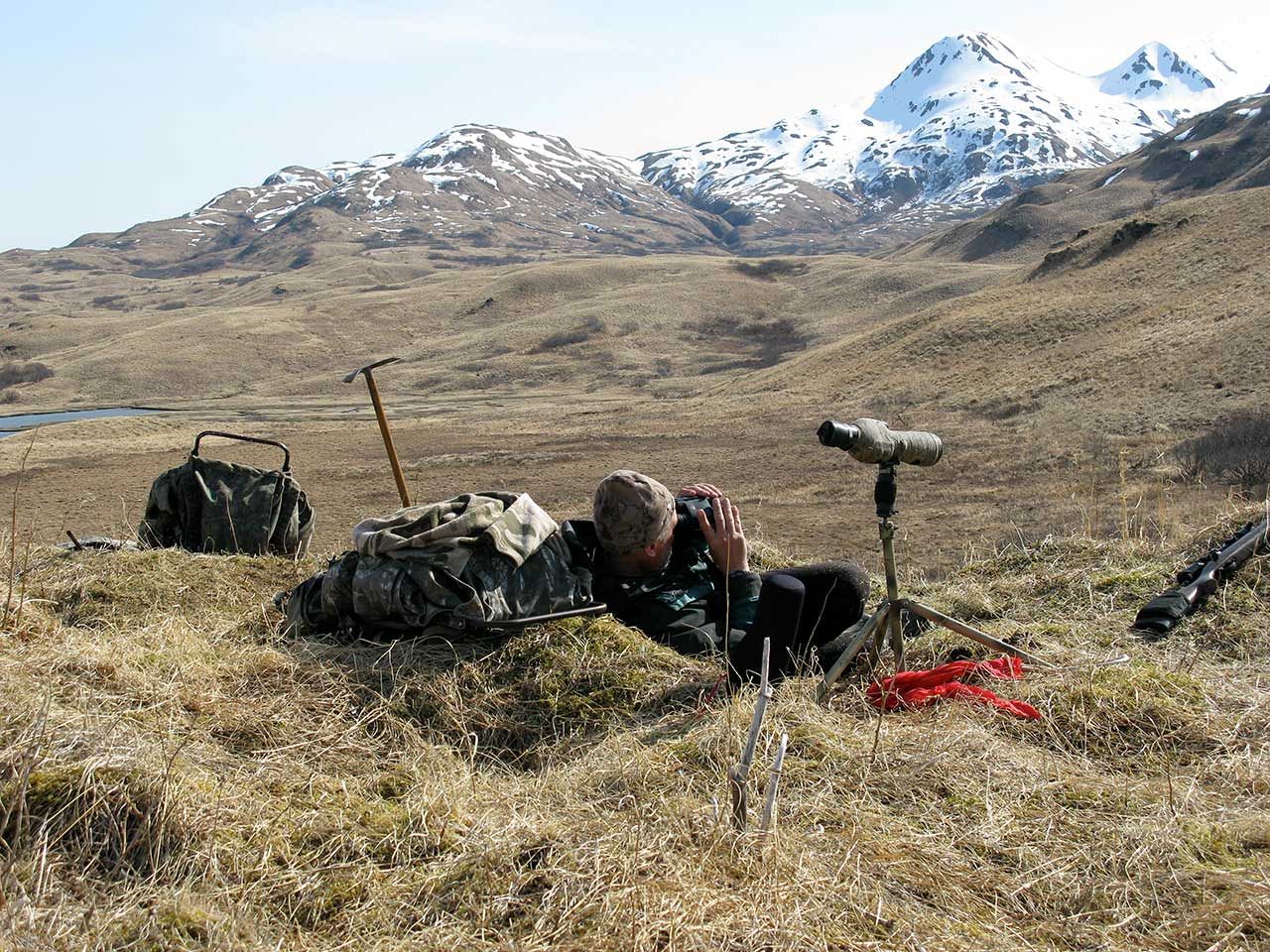
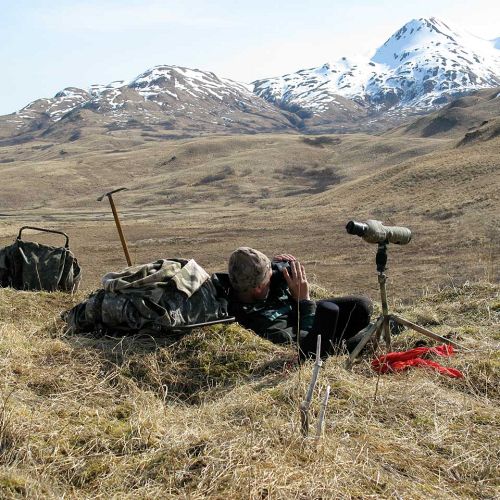
Transportation during the hunt is provided by 18–24-foot motorboats as well as smaller jet boats, allowing access to remote bays, rivers, and streams. Each morning begins early with a hearty breakfast before heading out by boat to one of the area's many bays. From there, hunters hike to elevated vantage points where they can glass large areas and locate bears at considerable distances.
Bears are frequently spotted from the boats while traveling between bays, and if conditions are favorable, hunters may go ashore and begin a stalk immediately. Once a mature trophy bear has been located, a careful plan is made to approach within shooting range. Large boars are exceptionally intelligent and can be extremely challenging to hunt. Their sense of smell is extraordinary, and they possess excellent eyesight and hearing. Many factors must come together for a successful stalk, making patience one of the most important keys to success.
Like all great hunting adventures, brown bear hunting requires patience, determination, and a willingness to work hard in all weather conditions. Hunters must be prepared to spend countless hours glassing vast landscapes alongside their guides, often in challenging weather, in search of the right bear.
After a long day in the field, hunters return to the main camp, usually after dark, where a hearty dinner and a comfortable night's rest await. These evenings provide the perfect opportunity to relax, share the day’s experiences, and prepare for the next day's hunt.
Depending on conditions and the location of game, hunters may also spend nights in satellite camps situated in remote bays or valleys. These camps can offer a significant advantage compared to relying solely on boats, particularly when a large bear has been located in a specific area or when access is needed to terrain that cannot be reached by water. By staying closer to the hunting grounds, hunters can maximize their opportunities and increase their chances of success. In the satellite camps, each hunter has their own tent, providing both privacy and comfort in the wilderness.
Spring and Fall Hunts
The outfitter utilizes the same camps and hunting areas during both the spring and fall seasons. The primary difference between the two lies in bear behavior.
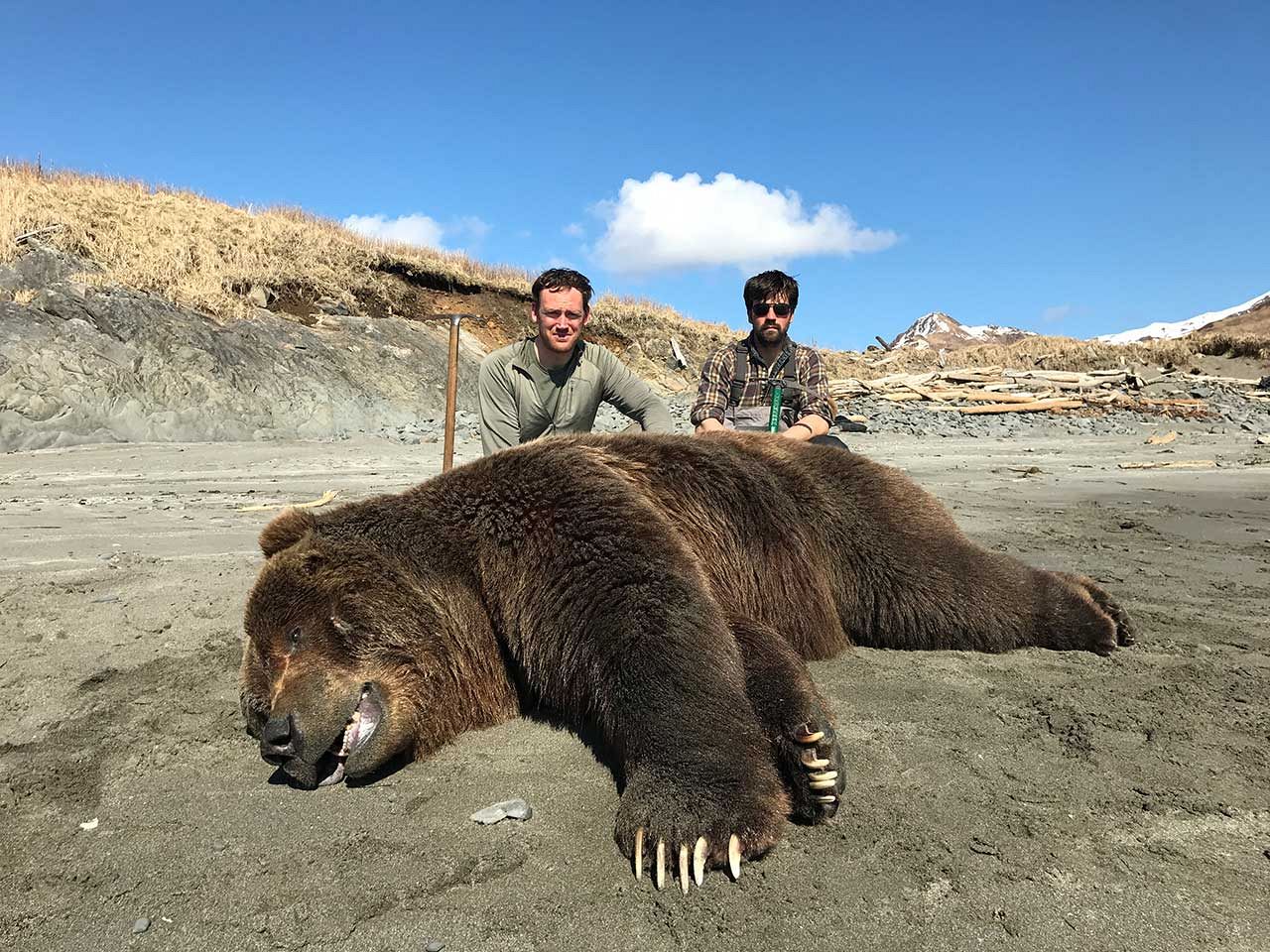
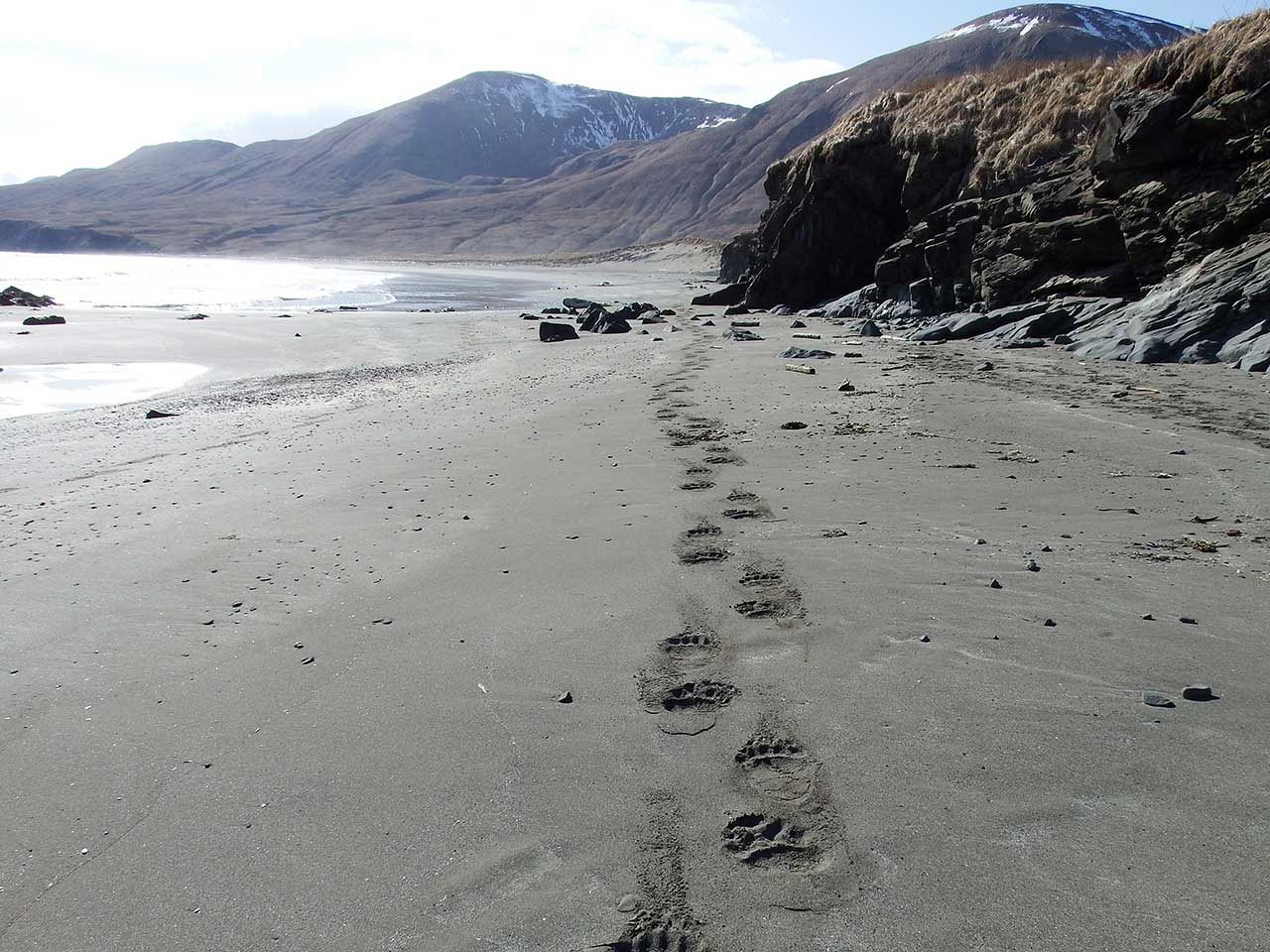
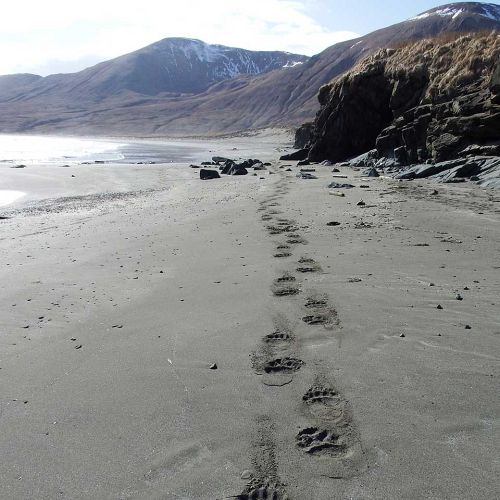
During the spring, hunters focus on bears emerging from their winter dens. Guides often search for tracks in the snow and spend considerable time locating mature boars that are actively searching for sows during the breeding season. At this time of year, bears are frequently found along the coastline feeding on kelp, washed-up carcasses, and other food sources exposed after winter.
In the fall, bears concentrate around rivers and streams where salmon runs are in full swing. They spend their days feeding heavily on salmon, roots, and berries as they prepare for the long winter ahead. While a bear's primary objective in spring is reproduction, its main focus during autumn is building sufficient fat reserves to survive hibernation.
The success rate for harvesting mature trophy bears is equally high during both seasons.
The experience of taking a large Kodiak brown bear is difficult to describe—it simply has to be experienced firsthand. Kodiak Island offers breathtaking scenery and extraordinary wildlife. Its rich marine ecosystem includes whales of many species, porpoises, seals, sea lions, and countless seabirds, all of which can be observed regularly throughout the hunt. Combined with crystal-clear blue waters and dramatic coastal landscapes, the setting is every bit as memorable as the hunt itself.
For the dedicated hunter willing to embrace the challenge of pursuing one of North America's most iconic game animals, a Kodiak brown bear hunt will undoubtedly rank among the greatest hunting experiences of a lifetime.
Video Gallery
-
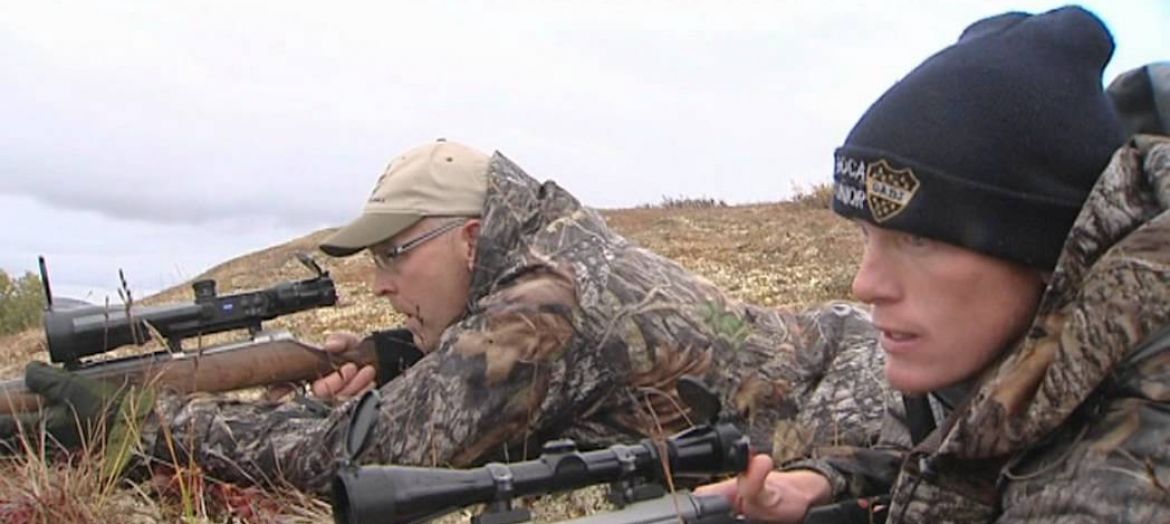
 Adventure in Alaska - Hunters Video
Accommodation
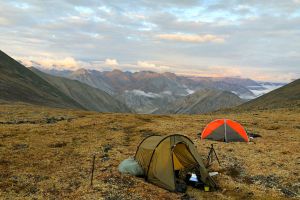
Kodiak camp / Bjørnejagt
The camp is located just 100 meters from the shoreline, and the main camp consists of traditional Kodiak-style double-wall tents and WeatherPort tents. All accommodations are equipped with diesel or propane heaters, generator-powered electricity, and comfortable beds. The camp offers a high level of comfort, and guests are treated to excellent meals throughout their stay, much of which features...
Read moreHunting Area
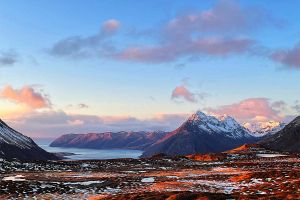
Kodiak Island
Katmai Guide Service offers fully guided hunts on federally permitted lands for brown bear, mountain goat, and Sitka black-tailed deer on Kodiak Island. They also offer brown bear and moose hunts in the Becharof National Wildlife Refuge, located along the southern boundary of Katmai National Park, as well as in the Aniakchak National Monument and the Meshik River Valley on the Alaska...
Read morePartner
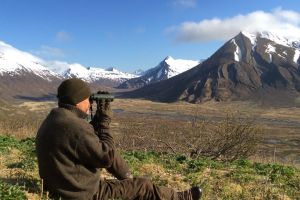
Aniakchak Guide Service / Katmai Guide Service
Joey Klutsch operates Aniakchak Guide Service / Katmai Guide Service located in King Salmon. Joey has been a registered guide in Alaska for many years and has lifelong experience with all types of hunts in Alaska. The Klutsch family has received many prestigious awards over the years, including Safari Club International Professional Hunter of the Year (1996), Dallas Safari Club Professional...
Read moreGame
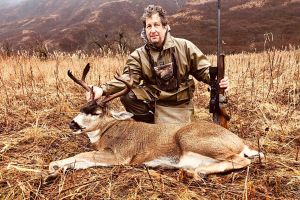
Blacktail
The Sitka deer or Sitka black-tailed deer (Odocoileus hemionus sitkensis) is a subspecies of mule deer (Odocoileus hemionus), similar to the Columbian black-tailed subspecies (O. h. colombianus). Their name originates from Sitka, Alaska, and it is not to be confused with the similarly named sika deer. Weighing in on average between 48 and...
Read more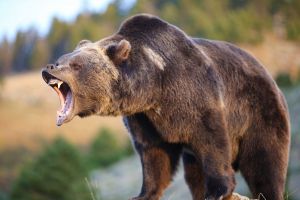
Brown Bear/Grizzly (North America)
Videnskabeligt navn: Ursus arctos Underarter: 1. Alaska brunbjørn eller Kodiak bjørn (Ursus a. middendorffi): Kystregioner i det sydlige Alaska. 2. Grizzly (Ursus a. horribilis): Alaska (I landets indre regioner, hvor Alaska brunbjørnen ikke lever). Nord- og Nordvestcanada. USA: fra Montana over Idaho og Wyoming helt til Colorado, sydpå til Sonora, Mexico. Levested:...
Read more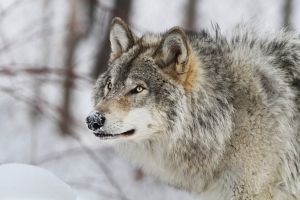
Wolf (North America)
Videnskabeligt navn: Canis lupus Underarter: Polarcirkels art på den nordlige halvkugle. 6 underarter er blevet beskrevet over hele verden, 3 for Nordamerika. Af dem er den ene til gengæld udryddet. Tilbage er: 1. Den østlige Timberwolf (Canis l. lycaon): Skovregioner i det nordlige USA og i det centrale Ca- nada. 2. Tundra-Wolf (Canis l. tundarum): Tundra og Taiga landskaber...
Read morePrices

The price includes
- 12-15 hunting days
- Guided hunting 1:1
- 1 Kodiak brown bear
- Preliminary preparation of the bearskin
- Accommodation in a tented camp
- Return chartered flights: King Salmon – Meshik camp/hunting district (Price USD 2,000)
- All transport in the hunting district
- All meals and accommodation during the hunt
The price does not include
- Return flights to Alaska (King Salmon)
- Hotel accommodation before/after the hunt
- Tips for hunting guide (Approx. USD 4500)
- Taxidermy work
- Shipment of trophy home
- EU-Public liability insurance USD 10,00,- per person
- Everything not mentioned under the "the price includes"
Travel Plan:
Europe – Anchorage - King Salmon