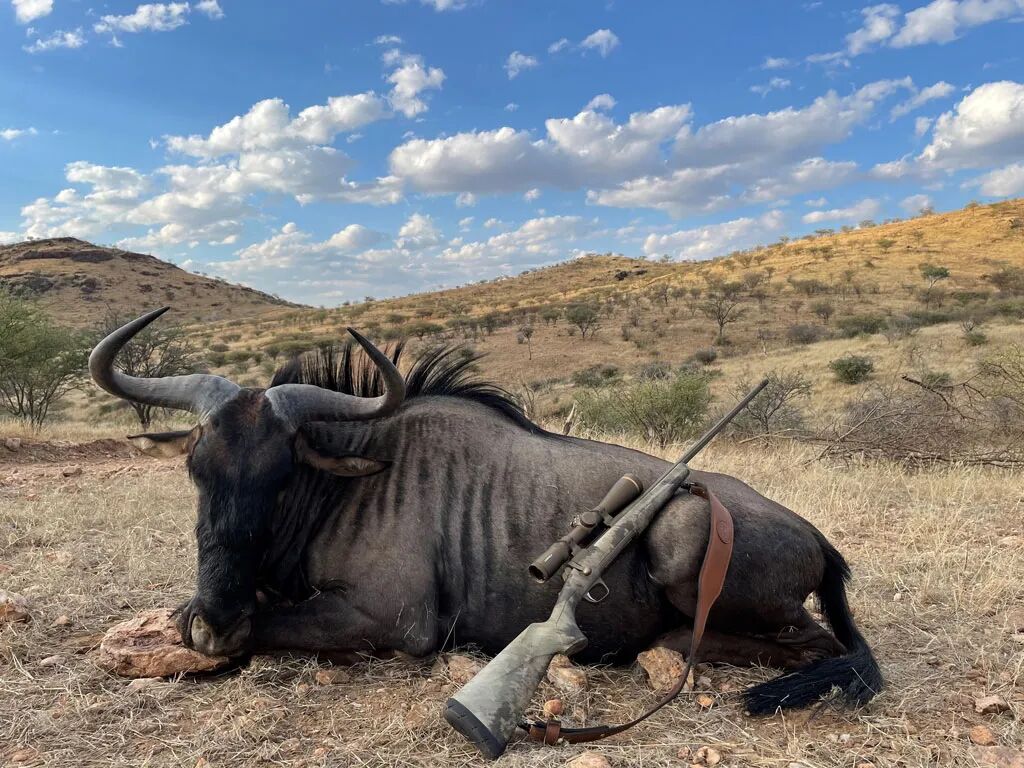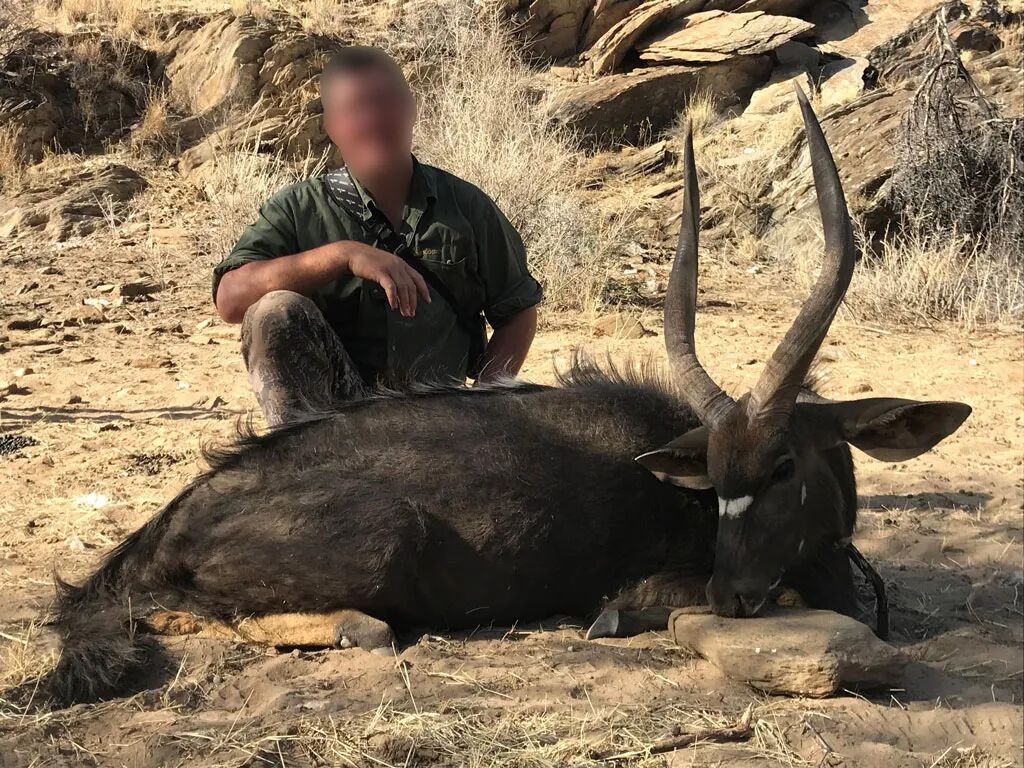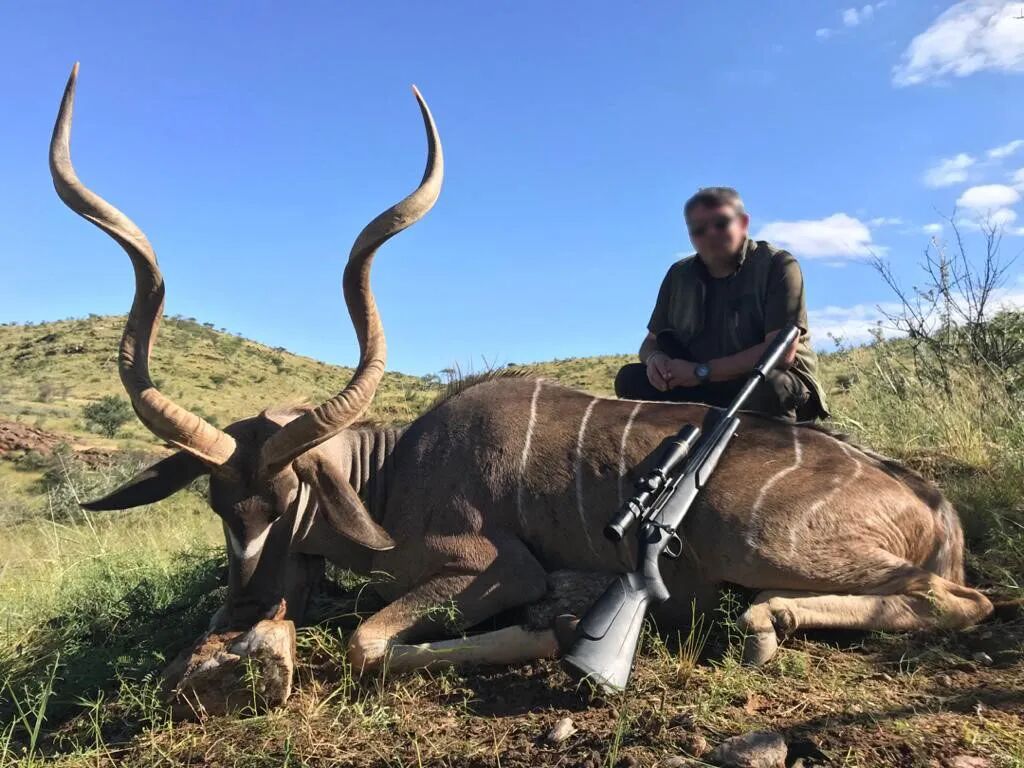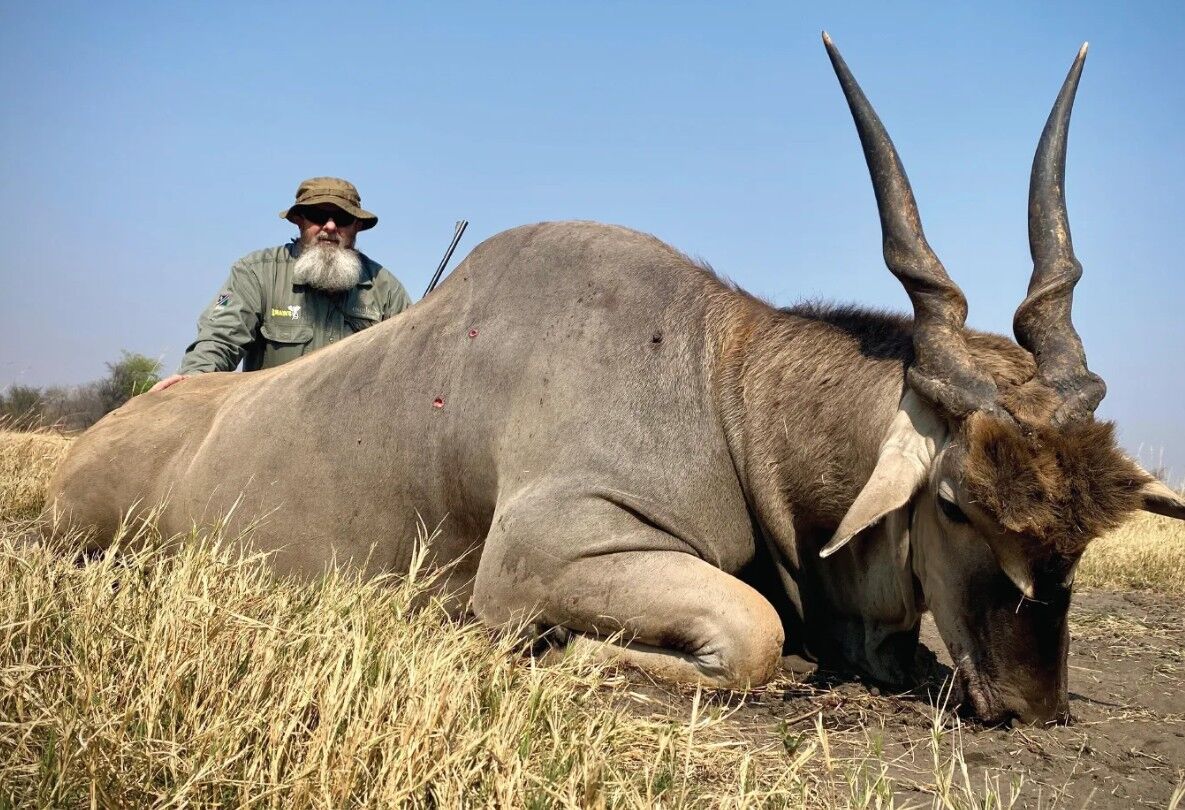
Antelope hunting in the highlands of Namibia
Experience classic plains game hunting in the heart of central Namibia, where Portsmut Eco Safaris manages more than 40,000 hectares of rolling highland terrain in the impressive Khomas Hochland. The area offers exceptional opportunities for exciting and varied hunting experiences - just 1.5 hours from Windhoek.
Highlights
- Fantastic highland hunting area
- More than 40,000 hectares
- Wide and diverse wildlife population
- Only 1.5 hours’ drive from Windhoek
- Modern and luxurious lodge


6 days from €2,165
Experience classic plains game hunting in the heart of central Namibia, where Portsmut Eco Safaris manages more than 40,000 hectares of rolling highland terrain in the impressive Khomas Hochland. The area offers exceptional opportunities for exciting and varied hunting experiences.
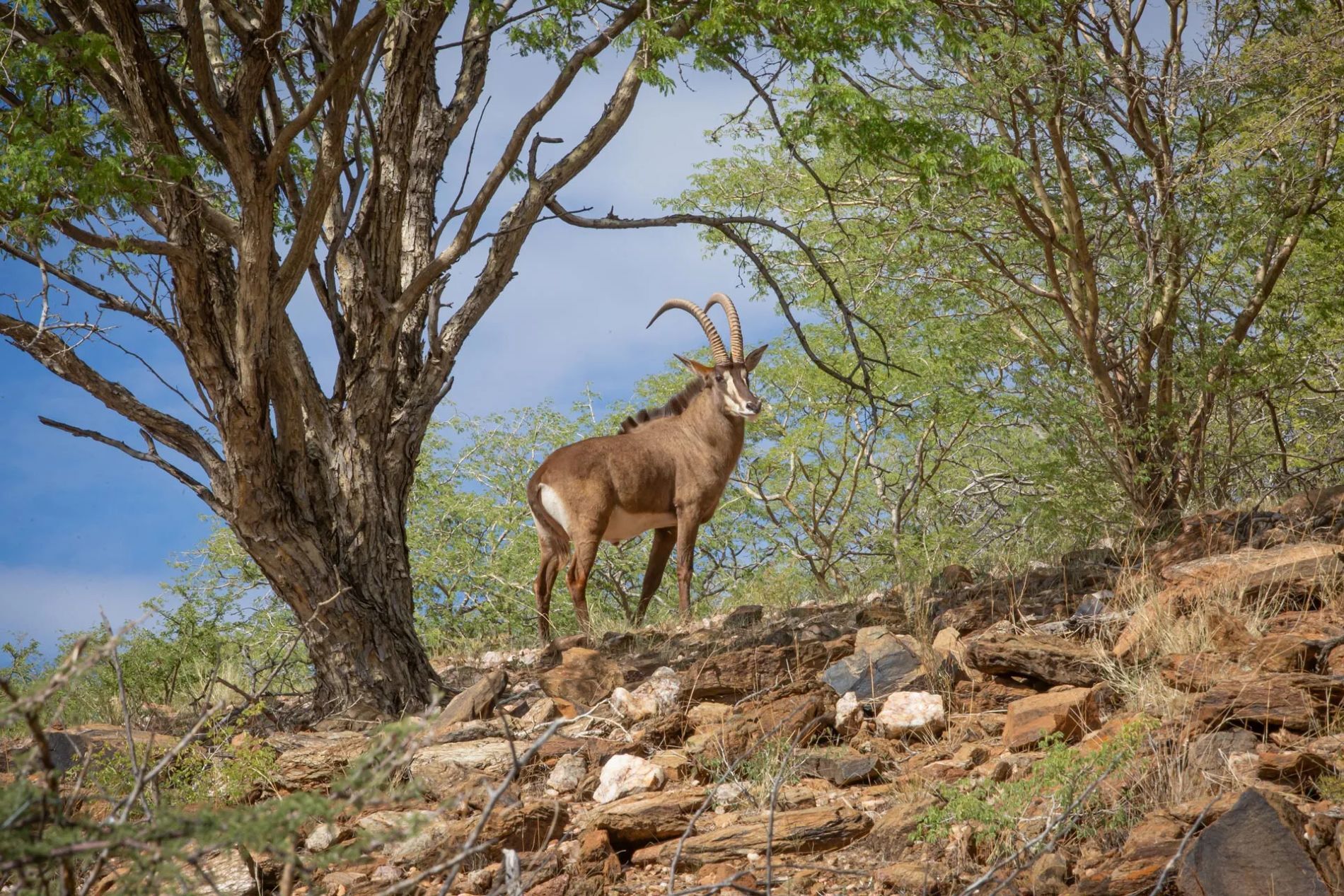
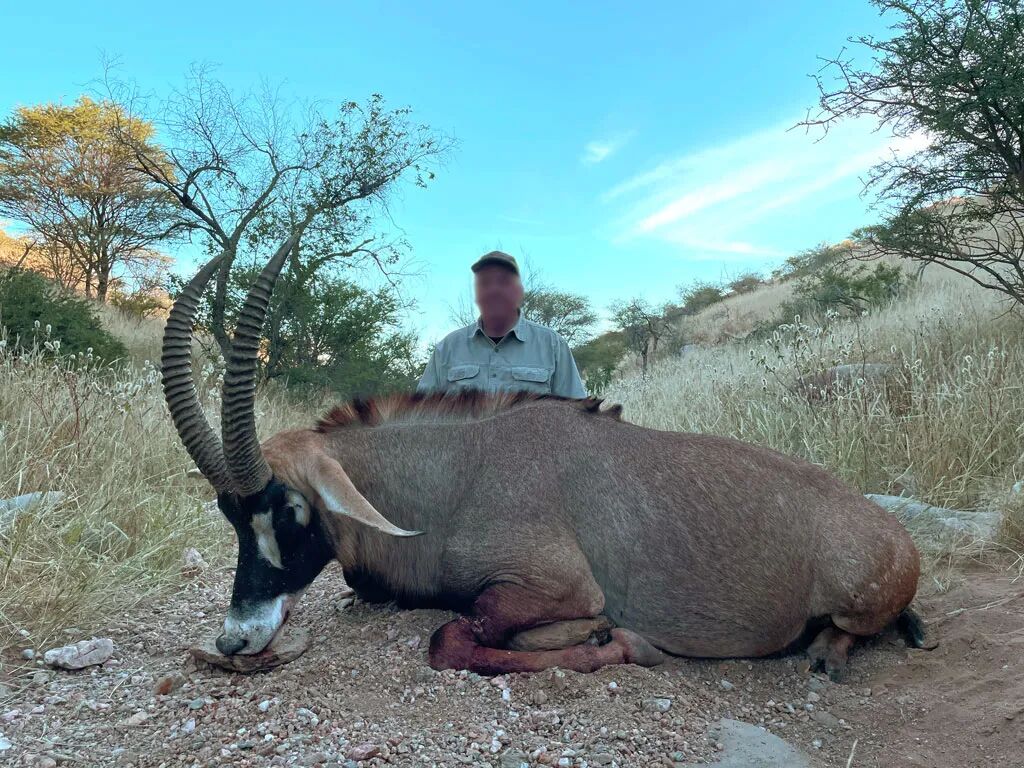
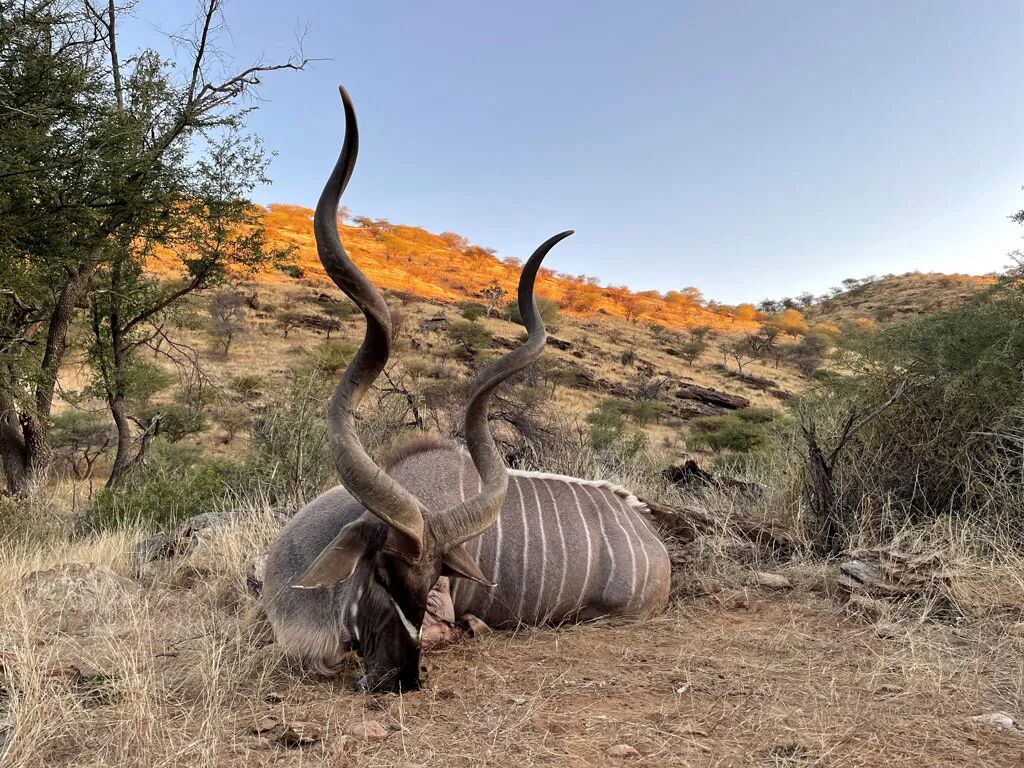
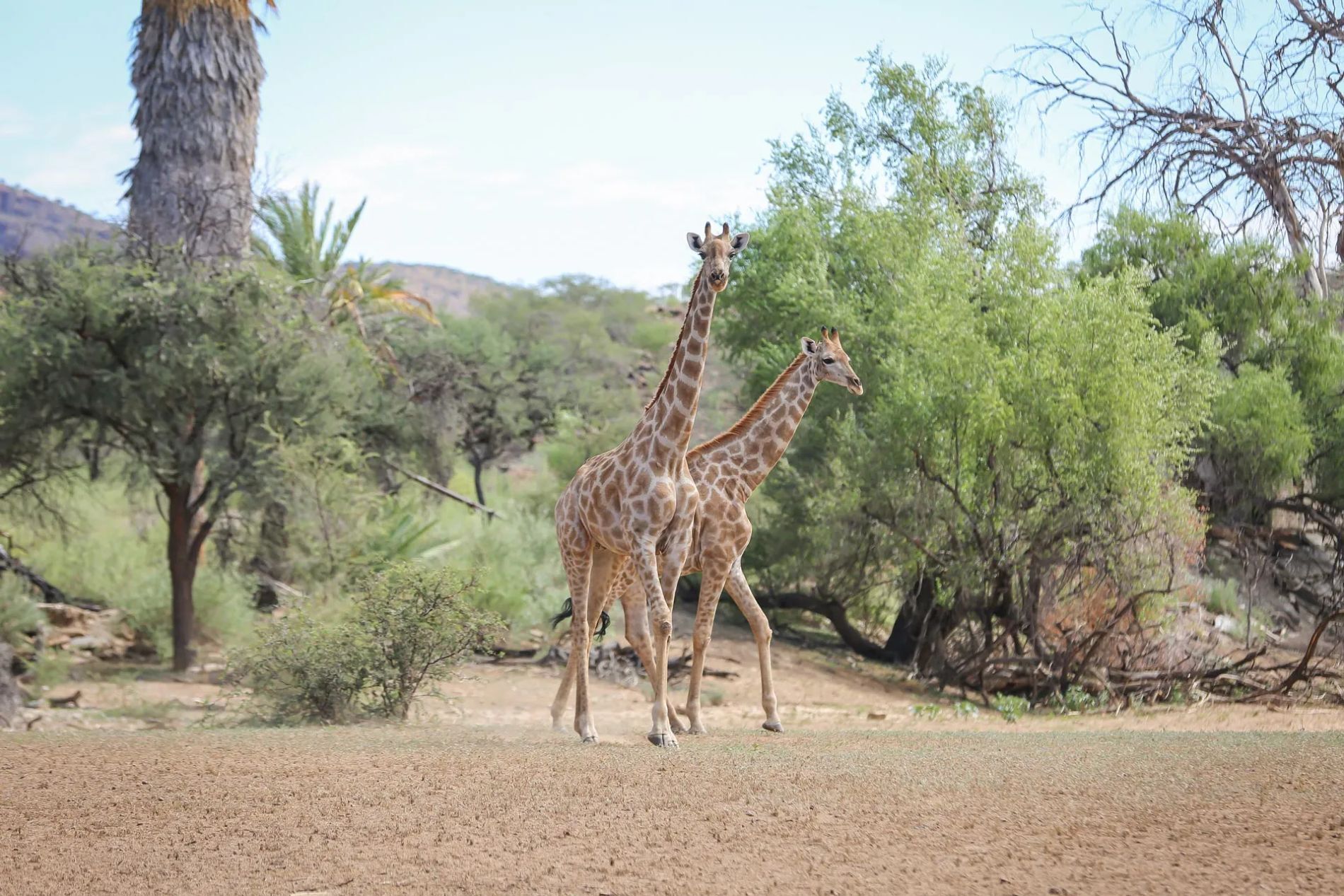
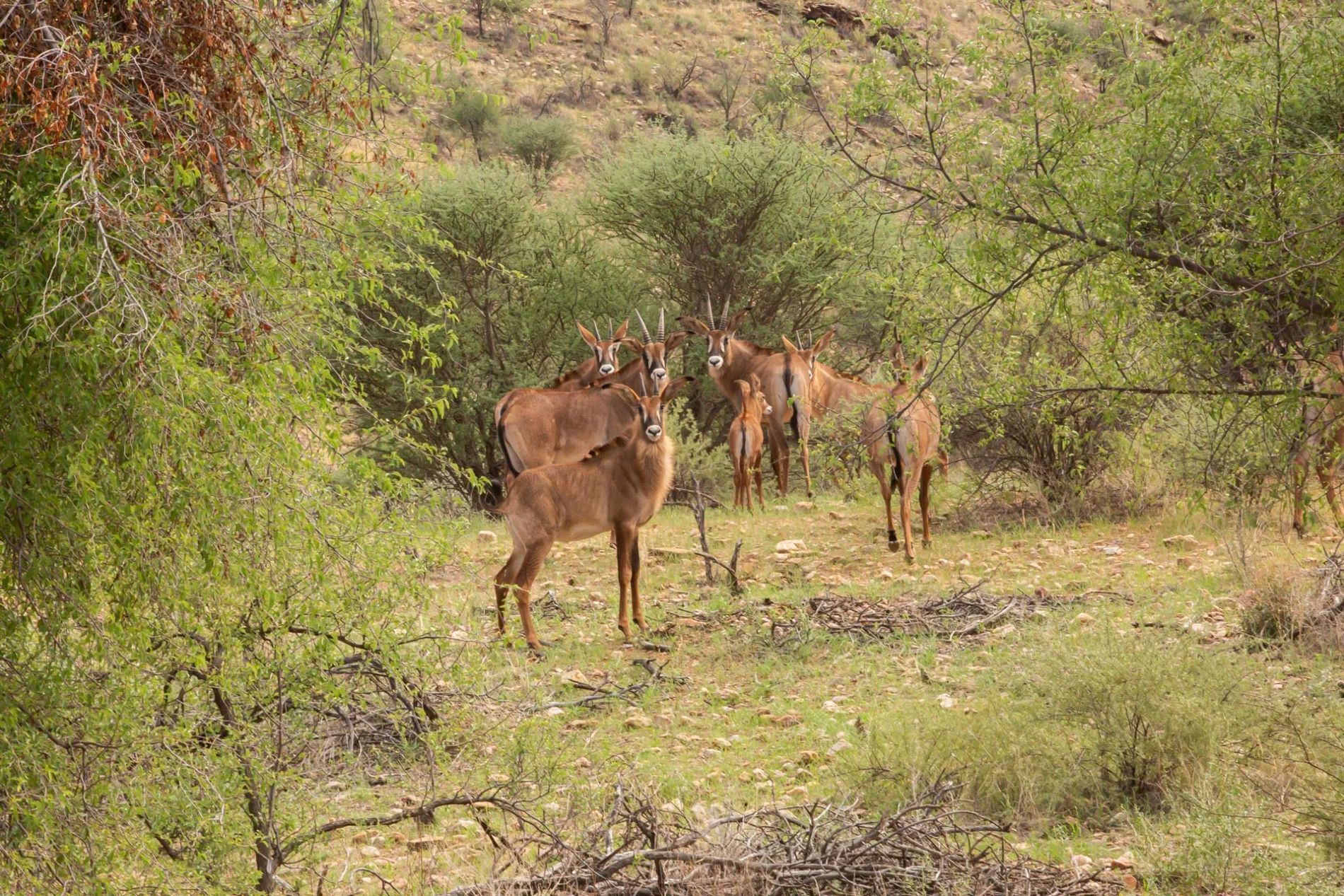
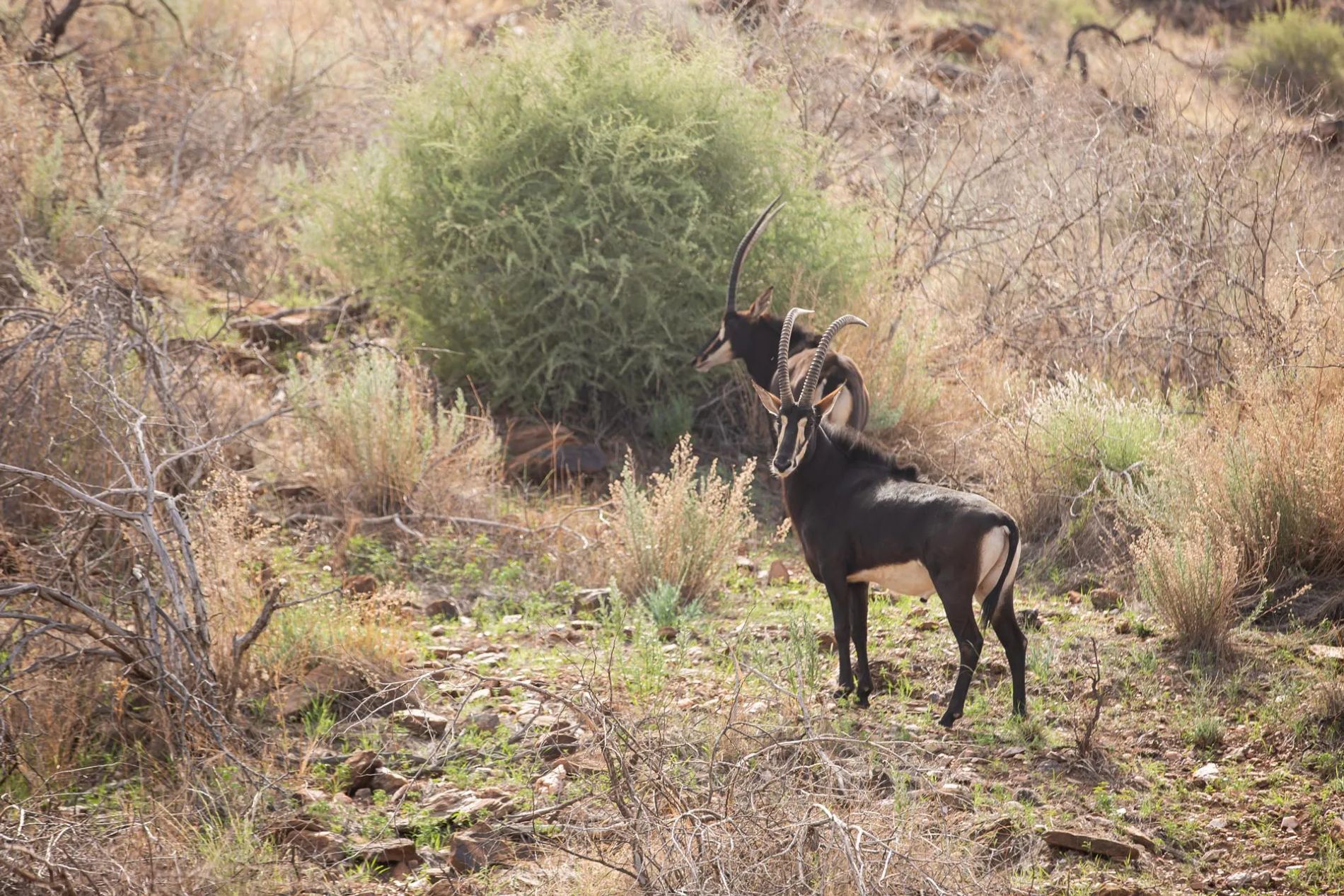
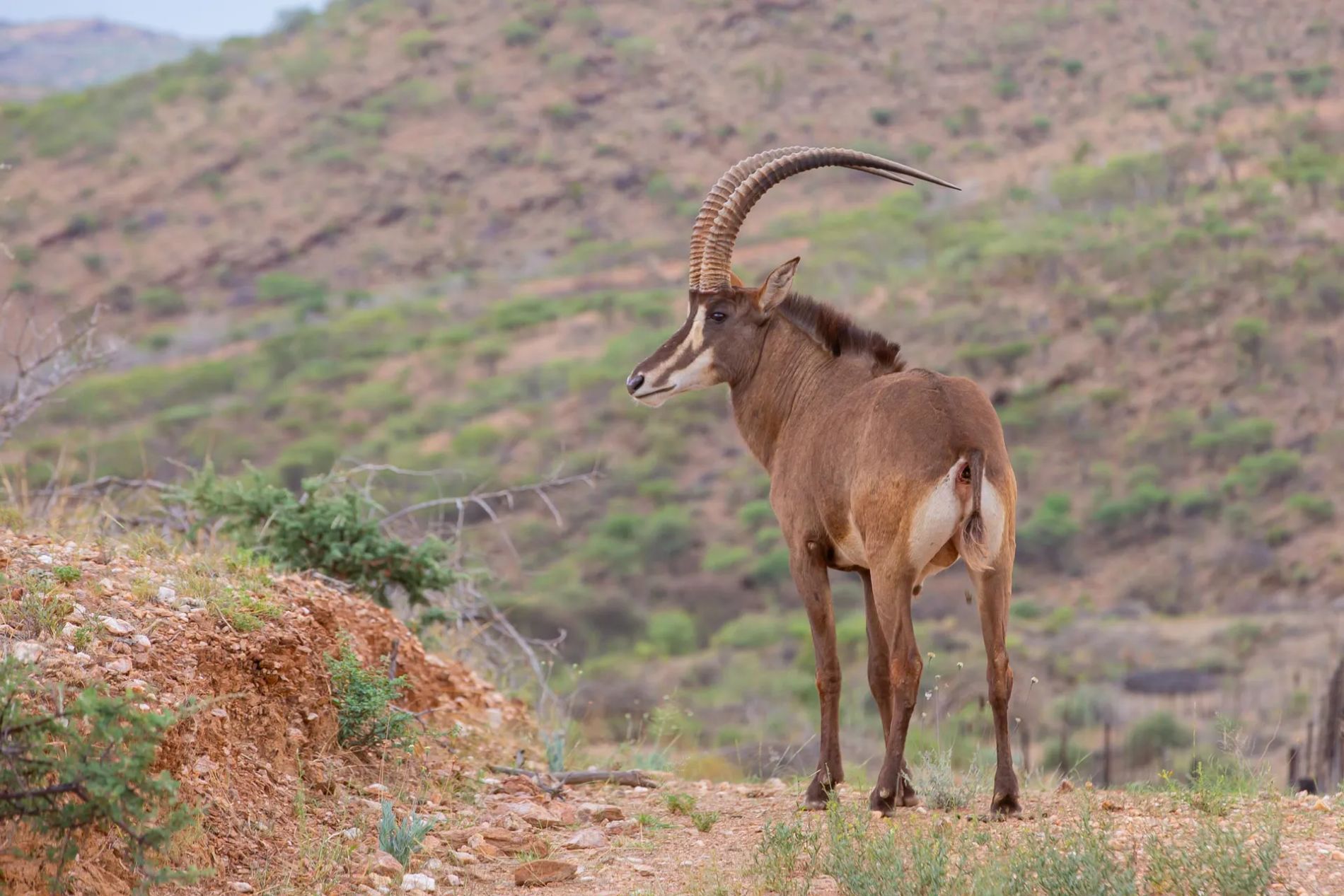
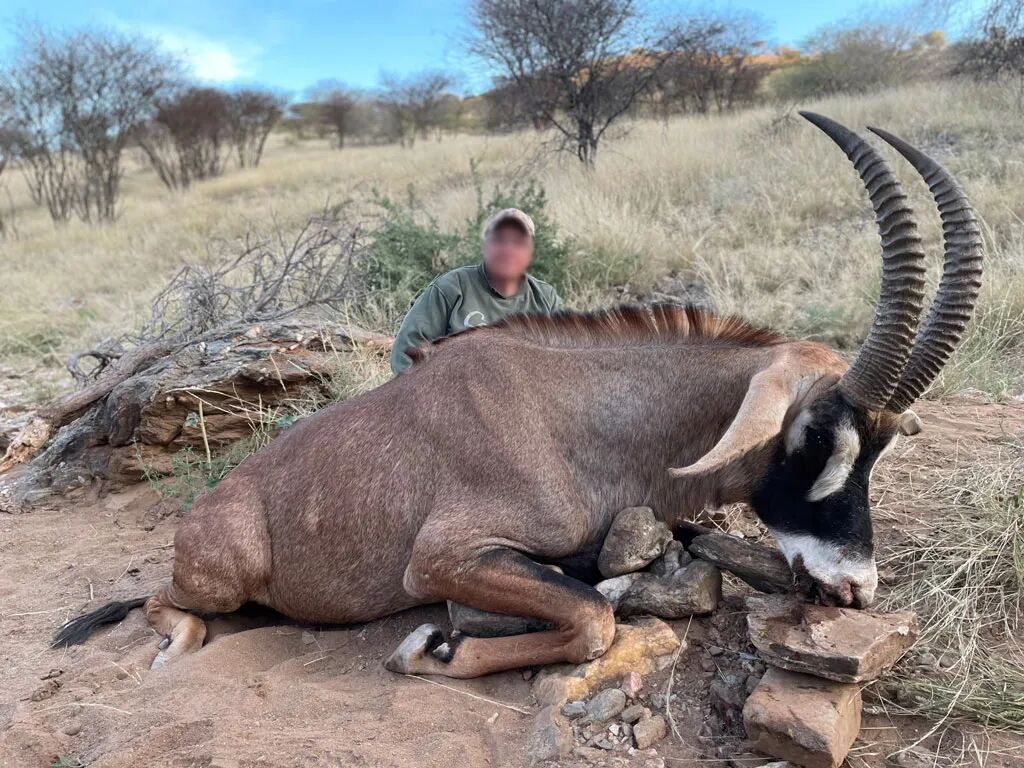
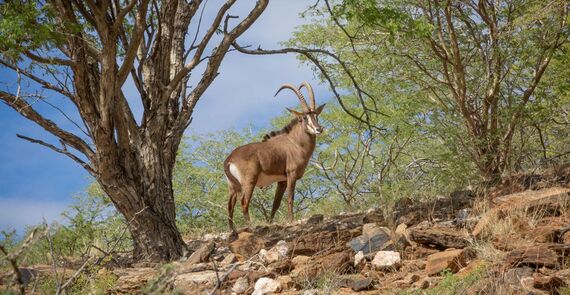
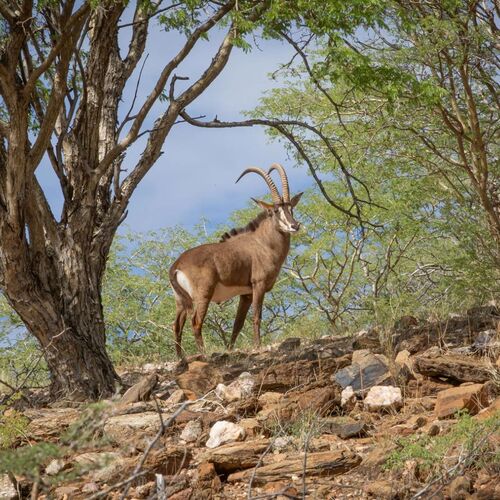
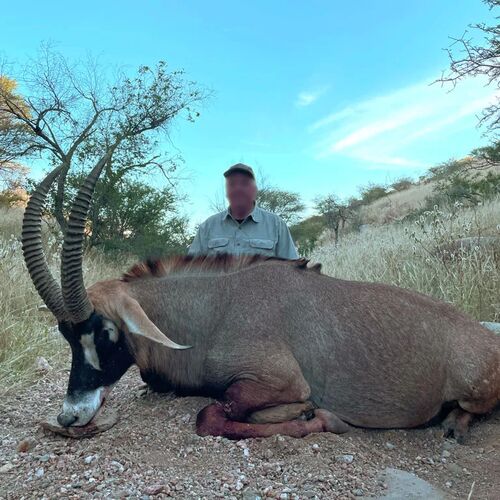
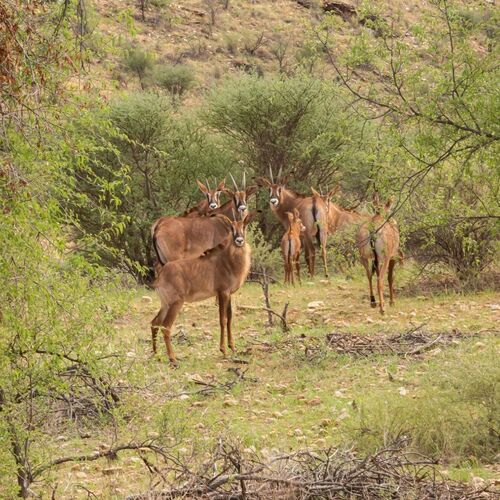
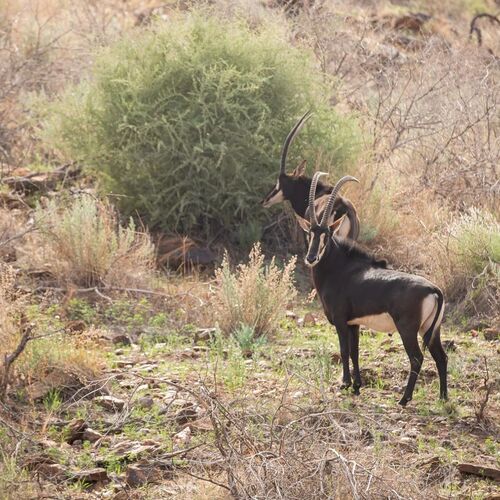
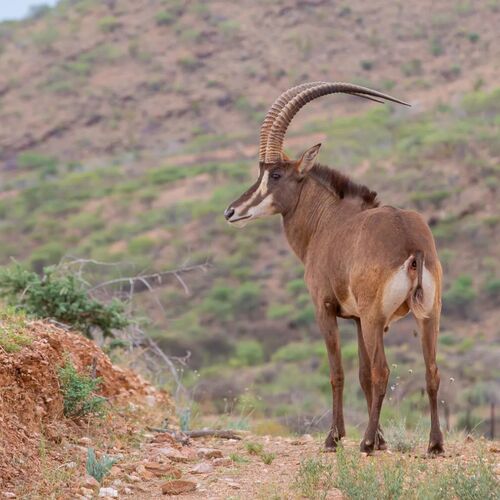
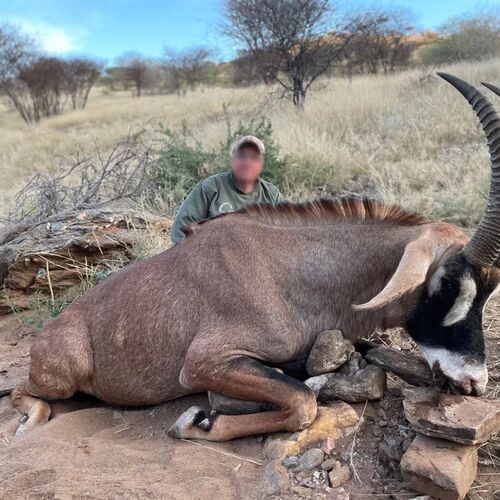
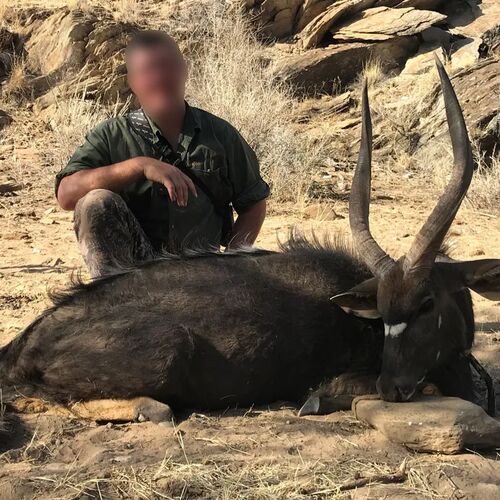
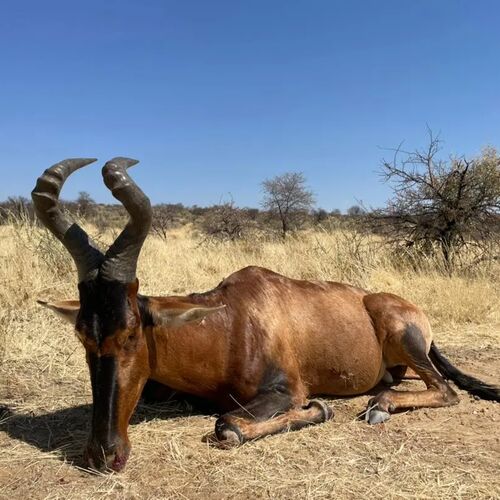
The hunting area holds an outstanding population of trophy game, including Namibia’s classic antelope species as well as more exclusive species such as roan and sable. There are also opportunities for exciting predator hunts, including leopard, hyena and cheetah.
Classic Plains Game Hunting in Namibia
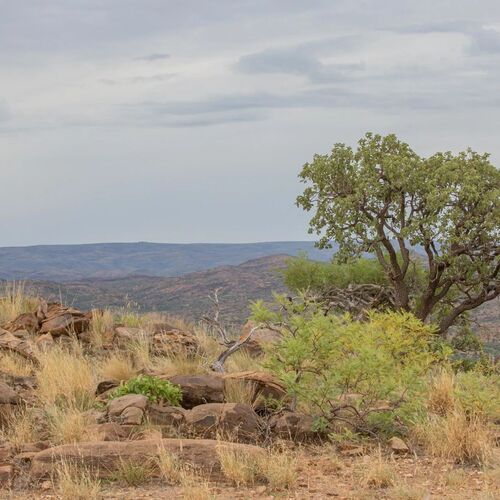
At Portsmut Eco Safaris, guests can experience classic plains game hunting in the heart of Namibia’s impressive Khomas Hochland. Here, the open African bush meets a dramatic mountainous landscape, creating a beautiful and challenging setting for the hunt.
The hunting area is a privately owned farm covering more than 40,000 hectares, where only a limited number of hunters are welcomed each year. This ensures an exclusive and personal hunting experience, with dedicated attention to each guest and excellent opportunities to find mature and representative trophies.
Portsmut is an excellent choice for both first-time visitors to Africa and experienced safari hunters seeking authentic hunting, varied terrain and a high level of service throughout their stay.
A Diverse and Exciting Hunting Area
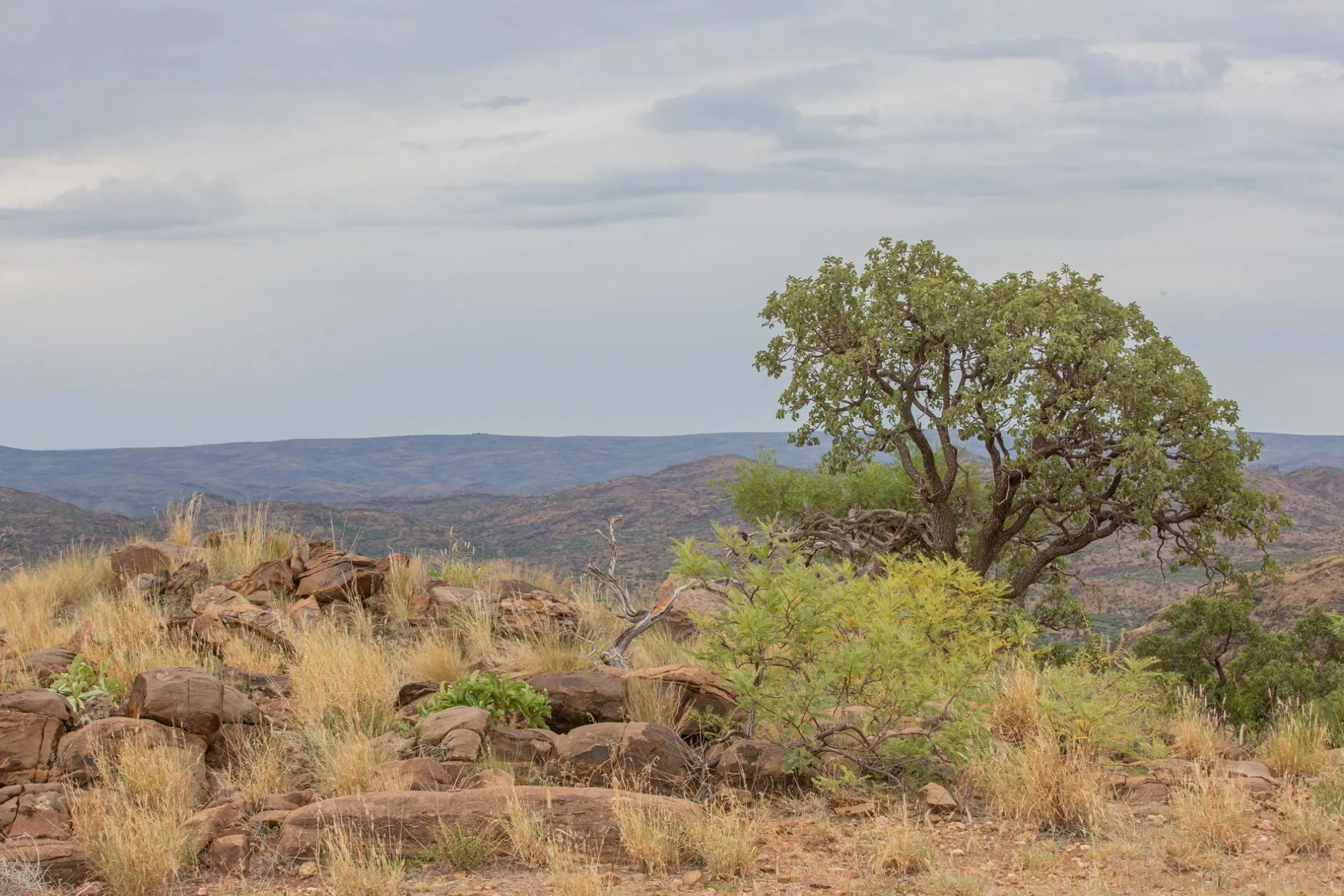
The hunting takes place in a highly varied area where mountain sections, rocky formations, open plains and dense bush alternate throughout the landscape. This diversity provides excellent opportunities for spotting game at distance, while also requiring the hunter and professional guide to carefully work with wind, terrain and animal movements.
The vast distances and challenging terrain mean that every hunting day offers new surroundings and new challenges. The hunt can be adapted to each guest’s wishes and physical ability, while the area also provides excellent opportunities for hunters looking for an active and demanding spot-and-stalk experience.
Portsmut describes the area as an almost untouched part of the Namibian bush, with an extensive network of roads throughout the farm.
Trophy Hunting and Wildlife Management
Portsmut Eco Safaris places great emphasis on responsible hunting and long-term wildlife management. Only a limited number of hunting guests are accepted each year, helping to maintain a healthy age structure and providing excellent opportunities to pursue mature and old animals.
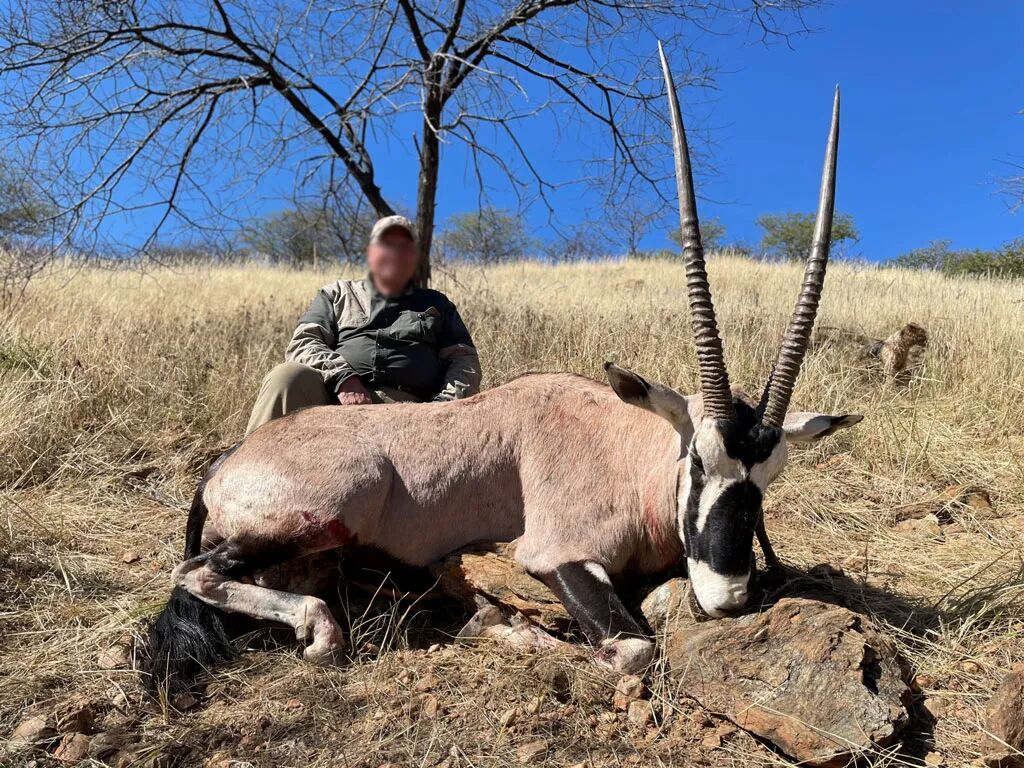
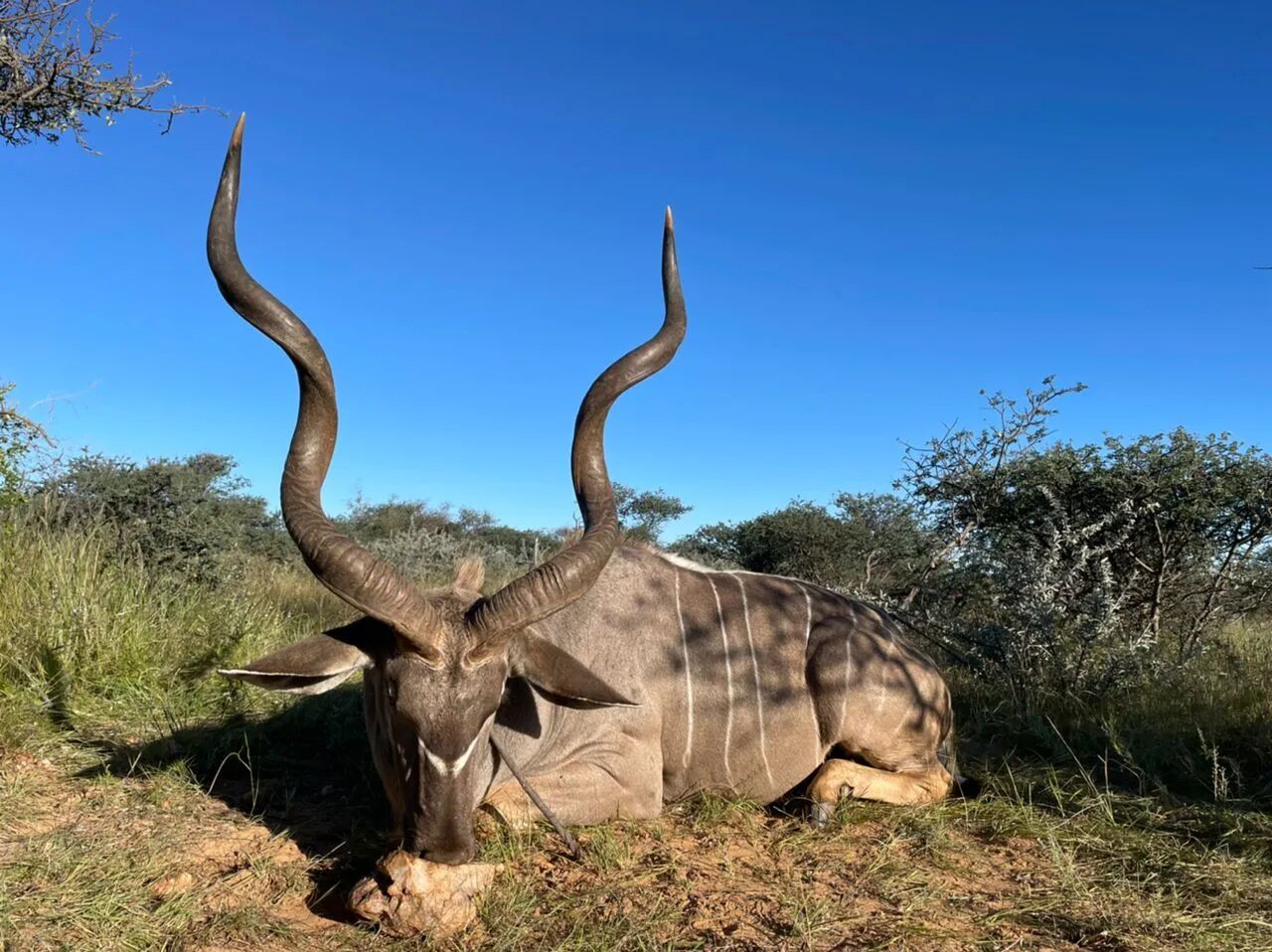
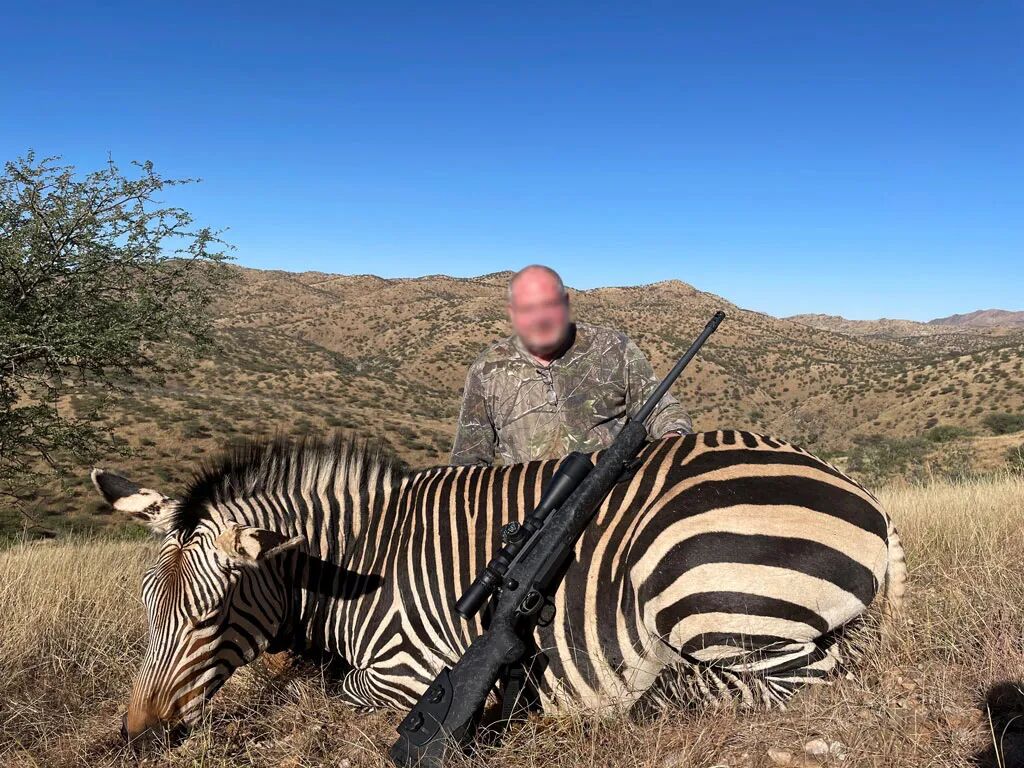
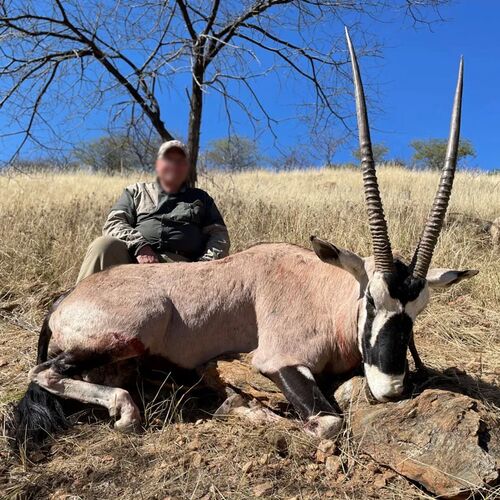
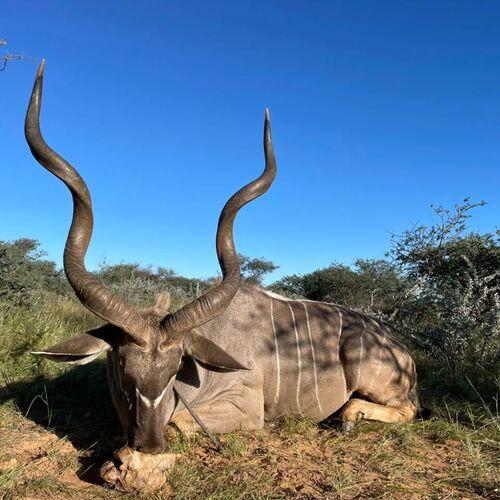
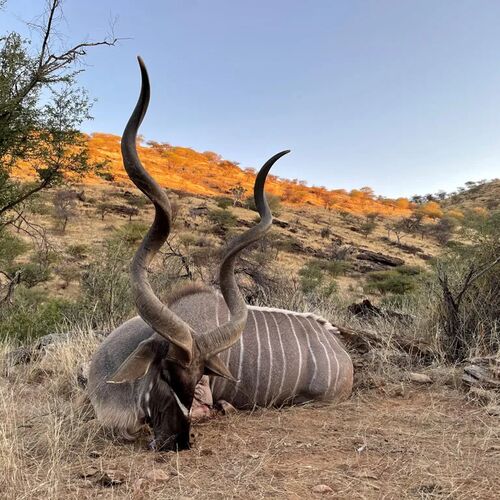
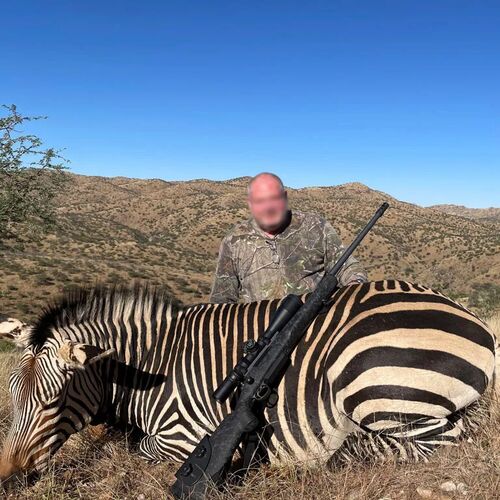
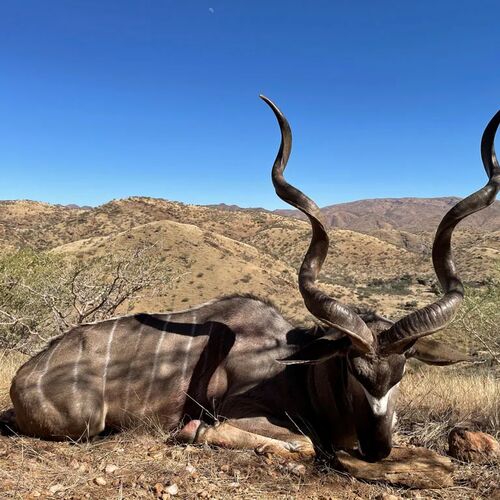
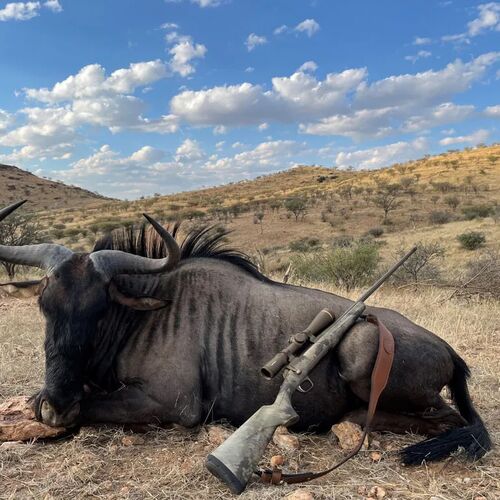
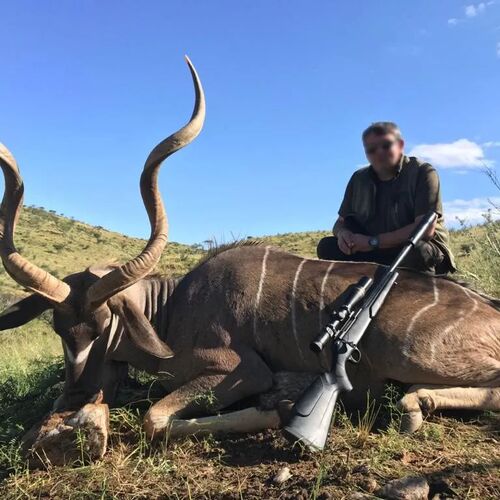
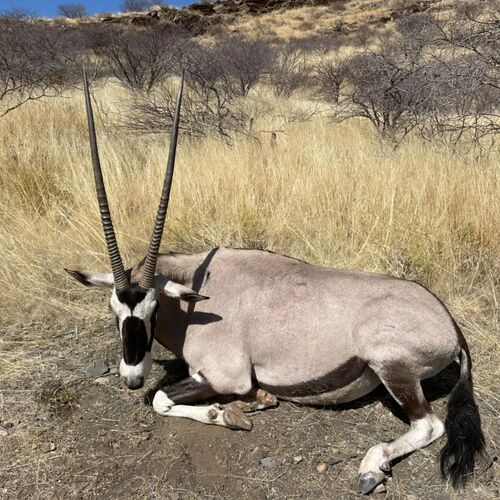
The hunting package can be tailored according to each hunter’s wishes and may include a wide range of Namibia’s classic plains game species. Species typically associated with the area include kudu, oryx, springbok, blue wildebeest and Hartmann’s mountain zebra.
The final hunting plan is always agreed in advance and depends on current quotas, availability and wildlife management conditions at the time of the hunt.
The Hunting Style
The hunting is primarily conducted as classic spot-and-stalk hunting. The day normally begins early in the morning, when guests head into the hunting area together with their professional guide to search for tracks or observe game from strategic viewpoints.
Once a suitable animal has been located, the hunt continues on foot. The challenge is then to use the terrain and wind conditions to approach unnoticed within a responsible shooting distance.
The mountainous landscape makes the hunt exciting and often allows for long periods of observation and careful evaluation of the animals before the final stalk begins.
The professional hunting guides have extensive knowledge of the area, animal movements and local conditions. The hunt is always adapted to the individual guest’s experience, wishes and physical ability.
Hunting Season and Climate
The official hunting season for trophy hunting in Namibia runs from the beginning of February until the end of November. Each period offers different hunting conditions and experiences.
During the Namibian winter months from approximately May to August, days are usually pleasant and dry, while mornings and evenings can be cool. Later in the season, temperatures increase and vegetation often becomes thinner, which can improve opportunities for spotting game.
Video Gallery
-
 Hunting in Africa
Accommodation
Verdwaal Lodge
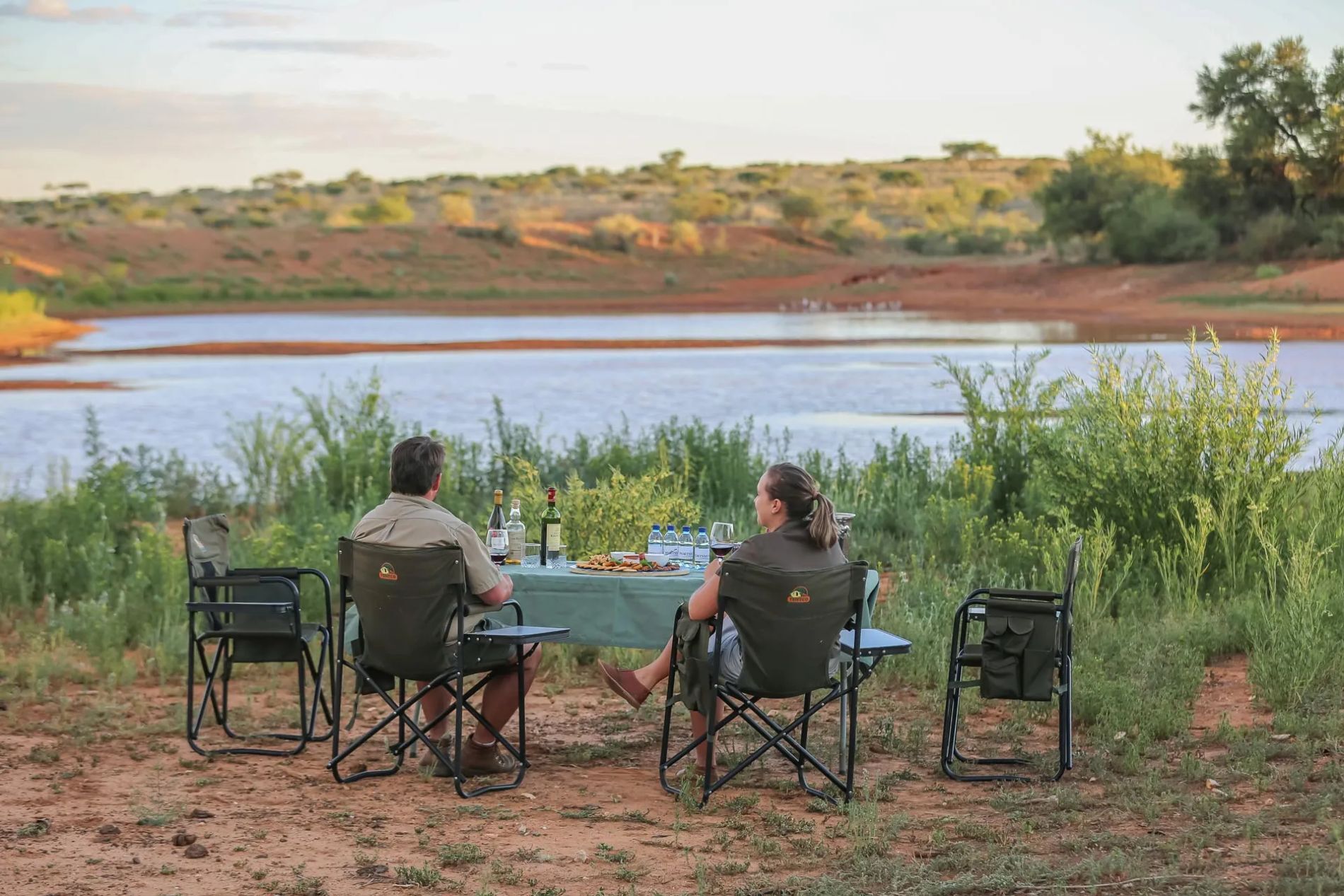
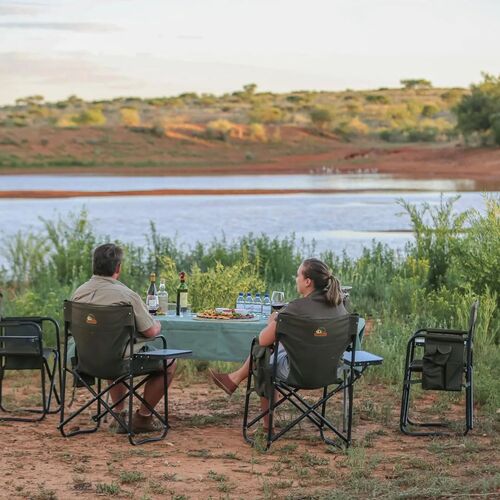
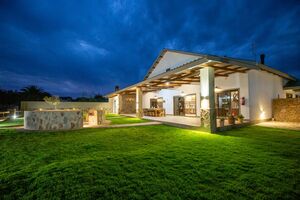
During the hunting safari, guests stay in comfortable and atmospheric surroundings in the middle of the Namibian hunting area. Portsmut Eco Safaris operates both Portsmut Lodge and Verdwaal Lodge, providing a relaxing and welcoming base during the stay. Following a major fire in 2019, the lodge was rebuilt from the ground up and completed in 2020. The result is a modern lodge where high comfort...
Read moreHunting Area
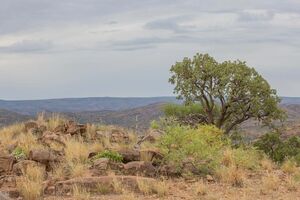
Khomas Hochland
The hunting takes place on a remote, privately owned farm covering more than 40,000 hectares in Khomas Hochland – one of Namibia’s most distinctive and scenic highland regions. The terrain is extremely varied and consists of mountains, deep valleys, large rock formations, open bush and more fertile areas. This diversity creates excellent habitats for a wide range of African game...
Read morePartner
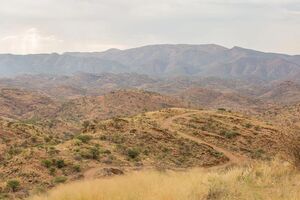
Portsmut Eco Safaris
Portsmut Eco Safaris is founded on a strong vision of sustainability and respect for the natural environment. The focus is on preserving the farm’s unique ecosystem and ensuring good conditions for both wildlife, nature, and the people who live and work here. The entire farm operates exclusively on solar and wind energy and produces more power than it consumes in daily operations,...
Read moreGame
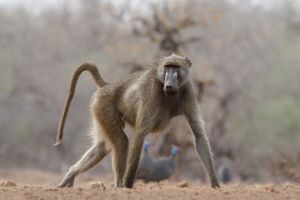
Baboon
Scientific Name: Papio sp. Sub-species: Five species are currently recognised (this is some disagreement on whether they are true separate species or sub-species. The true number of sub-species is also currently unknown) Hamadryas baboon (P. hamadryas) - Horn of AfricaGuinea baboon (P. papio) - Far western AfricaOlive baboon (P. anubis)- north central african savannahYellow baboon (P....
Read more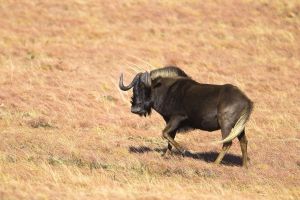
Black Wildebeest
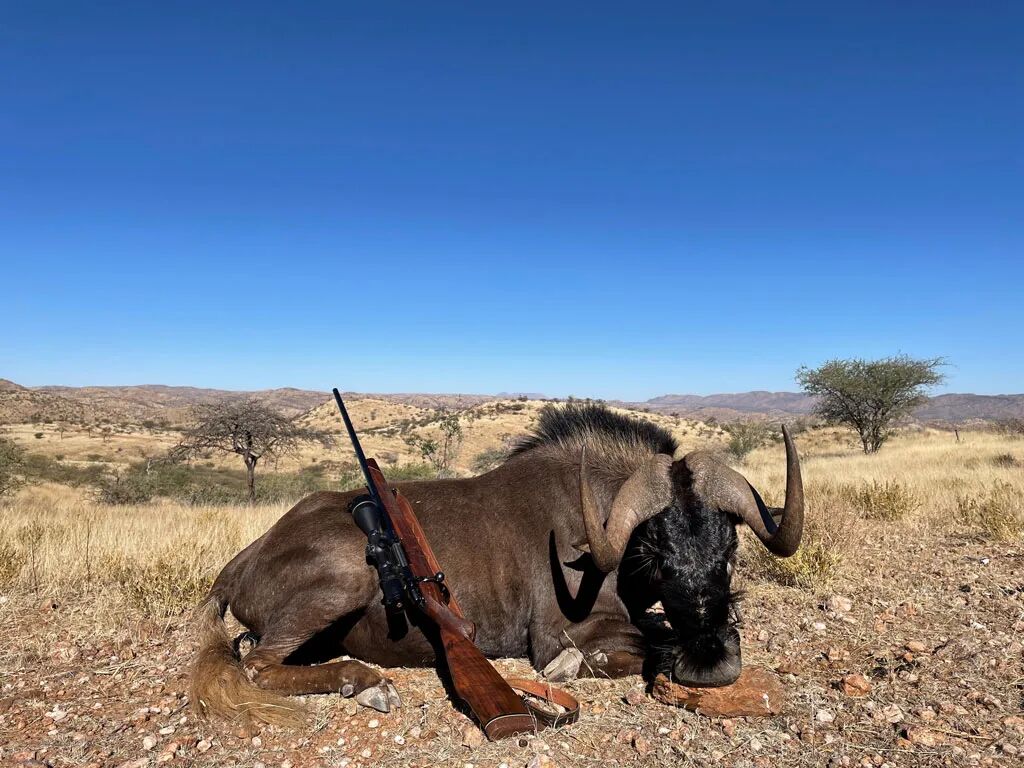
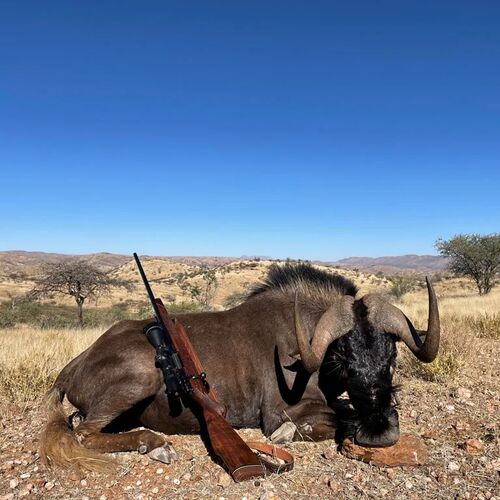
Scientific Name: Connochaetes gnou Subspecies: none Distribution: South Africa ( lives on game farms in Namibia) Habitat: Open grass veld and subdesert steppes. Description: Middle-sized animal of the Gnu-family with a weight of 150 - 170 kg and a shoulder-height of 120 cm. General colour dark brown to jet black and its tail is pure white. A characteristic feature of the White-tailed Gnu is...
Read more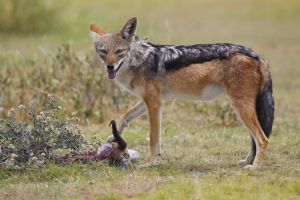
Black-backed Jackal
Scientific Name: Canis mesomelas Subspecies: None. Distribution: South Africa, Namibia, Botswana, Zimbabwe, Mozambique, Tanzania, Kenya, Uganda, Somalia and Ethiopia. Habitat: Open savanna and light woodland. Description: A brightly coloured jackal, with a rather fox-like head, and long ears, broad at their bases and pointed. It weighs around 10 kg and measures 45 cm over the shoulder. Head...
Read more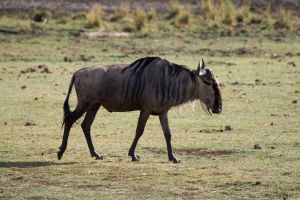
Blue Wildebeest
Videnskabeligt navn: Connochaetes Taurinus Underarter: White-bearded Wildebeest (C.t.mearnsi), Cookson's Wildebeest (C.t.Cooksoni) Udbredelse: Blue Wildebeest: Zimbabwe, Zambia, Mozambique, Sydafrika, Namibia. White-bearded Wildebeest: Tanzania, Kenya. Cookson's Wildebeest: Luangwa Valley i Zambia Levested: Findes i alle former for bushlandskab, men foretrækker åben bush og...
Read more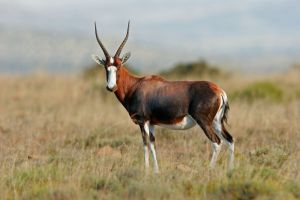
Bontebok/Blesbok
Scientific Name: Damaliscus dorcas Subspecies: Blesbok (Damaliscus d. phillipsi) Distribution: South Africa and Namibia (in game farms) Habitat: Open bush and grassland Description: The two species are here described as one as the difference between them is negligent. (Bontebok is darker in colour, has deeper grooves in its horns, has all white legs and the facial white band is usually...
Read more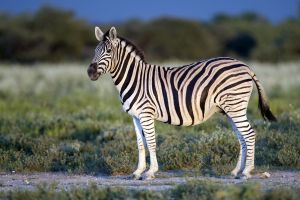
Burchell's Zebra
Videnskabeligt navn: Equus burchelli Underarter: Grant's Zebra (E.b. böhmi) Chapman's Zebra (E.b.antiquorum) Udbredelse: Burchell's Zebra: Botswana og Sydafrika. (den ægte burchell's zebra er uddød). Grant's Zebra: Mozambique, Tanzania, Kenya, Uganda og Ethiopien. Chapman's Zebra: Sydafrika, Mozambique, Zimbabwe, Botswana, Namibia, Angola, Zambia. Levested: Åben bush og...
Read more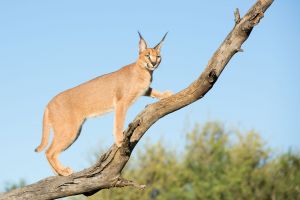
Caracal (Afrika)
Scientific Name: Profelis caracal Subspecies: Geographic subspecies, but all are here descriped as one. Distribution: Are found in most of Africa, apart from the Central- and West African States. Habitat: All types of savanna, often in the vicinity of rocks. Description: A fairly big and robustly built cat, with the proportions of a lynx. It weighs around 25 kg and has a shoulder height of 50...
Read more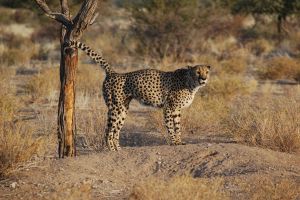
Cheetah (Africa)
Scientific Name: Acinonyx jubatus Subspecies: Possibly one in Africa, as certain authors acknowledge the King Cheetah (A. j. rex) as a subspecies. Others consider it a mere individual variant or phase of the normal type. Distribution: Stretching from Senegal in the West to Ethiopia and Somalia in the East and across a broad belt along the East African coast to northern South Africa, Zimbabwe,...
Read more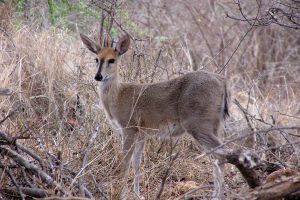
Duiker, Grey/Duiker, Grimm's (Common)
Scientific Name: Sylvicapra Grimmia Subspecies: Classification of subspecies is very variable, we have chosen only to count two: Western Bush Duiker and East African Bush Duiker. Distribution: From the desert rim in Northern Africa to the Southern tip of the Continent, the West African rainforest excepted. Habitat: As the species is a typical bush duiker it lives, as the name suggests in...
Read more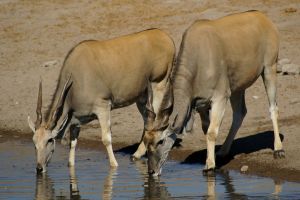
Eland, Cape/Livingstone, Patterson's
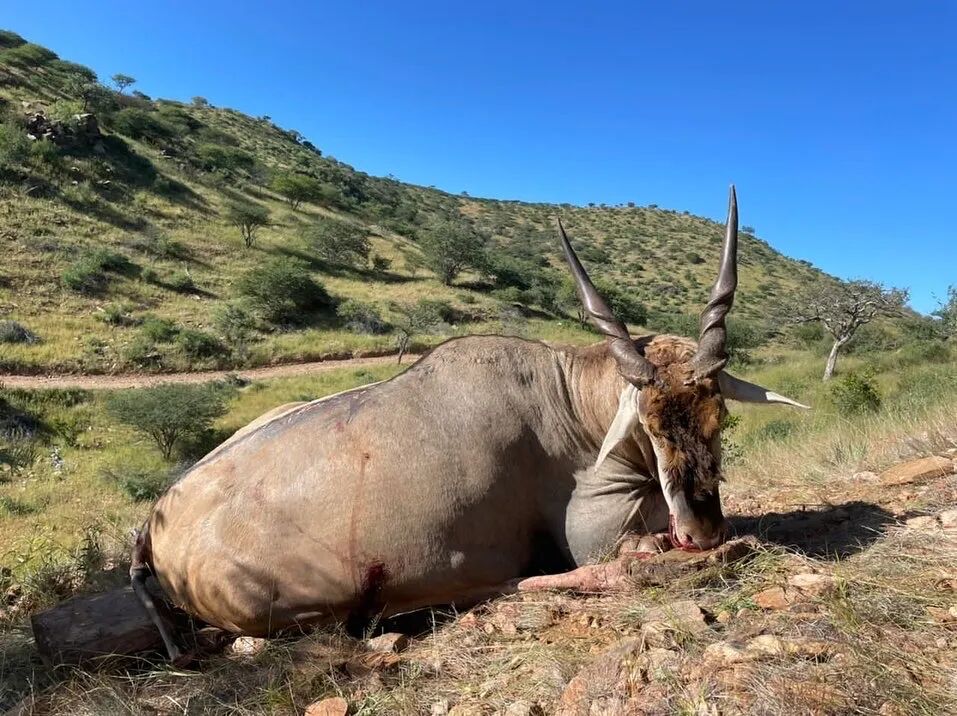
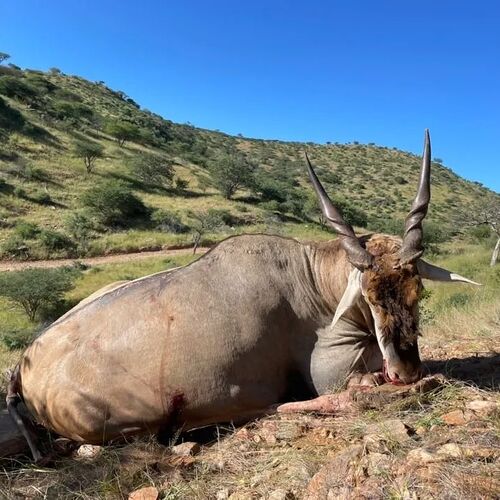
Scientific Name: Taurotragus oryx livingstoneiSubspecies: SCI lists Cape Eland as Tragelaphus oryx with three subspecies, which means that SCI counts the Cape Eland with the spiral horned antelopes. We have chosen to list Cape Eland under it's scientific name Taurotragus with two subspecies: Livingstone's Eland (Taurotragus oryz livingstonei) East African Eland (Taurotragus o....
Read more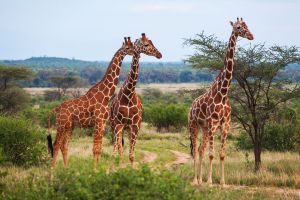
Giraffe
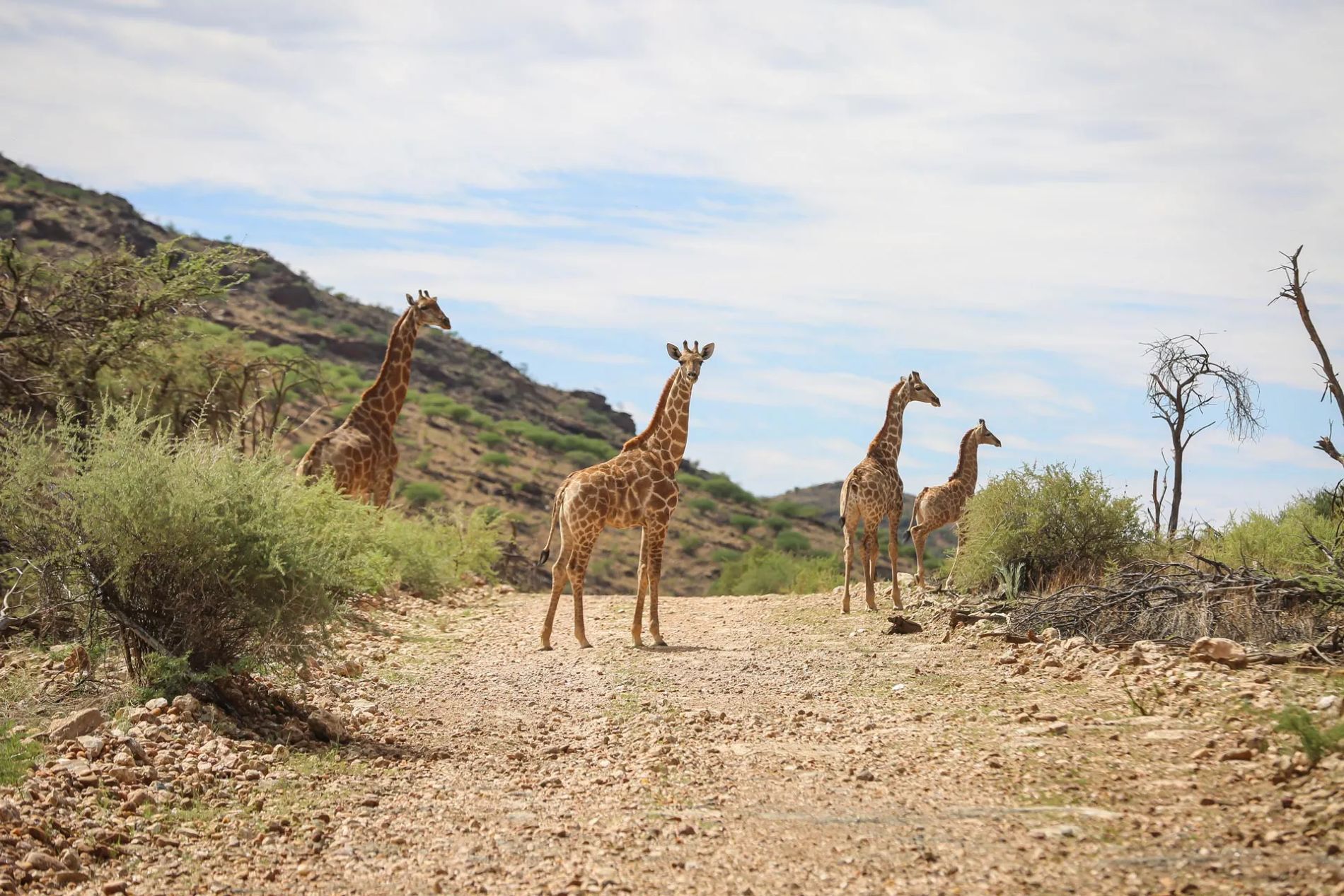
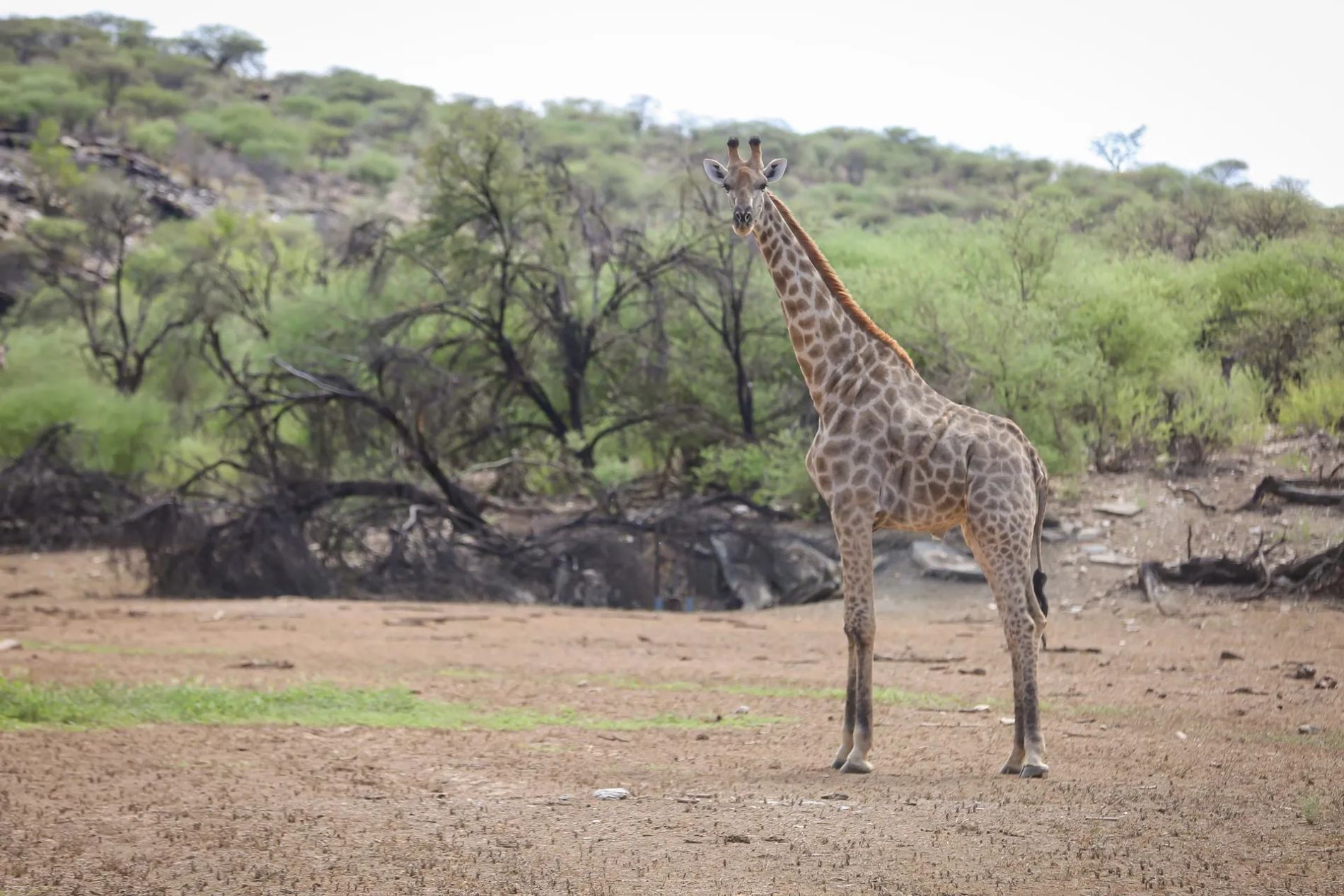
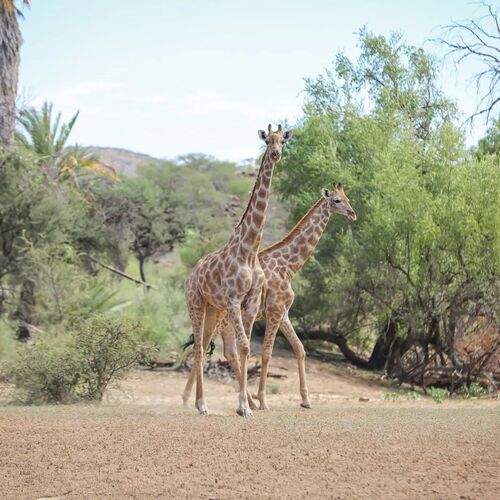
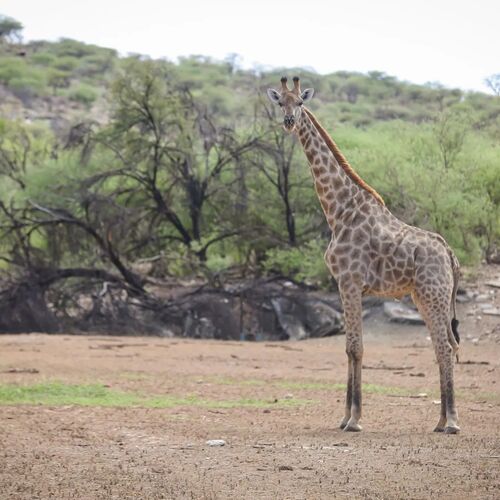
Videnskabeligt navn: Giraffe camelopardalis Underarter: Girafferne deles normalt op i to grupper: de nordlige og de sydlige. De Nordlige: Nubian Giraffe (G.c.camelopardalis) Reticulated Giraffe (G.c.reticulata) Baringo Giraffe (G.c.rothschildi) De Sydlige: Kenya Giraffe (G.c.tippelskirchi) Southern Giraffe (G.c. Giraffa) Udbredelse: De forskellige girafarter har et fælles...
Read more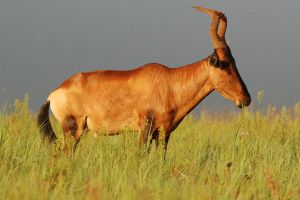
Hartebeest, Red
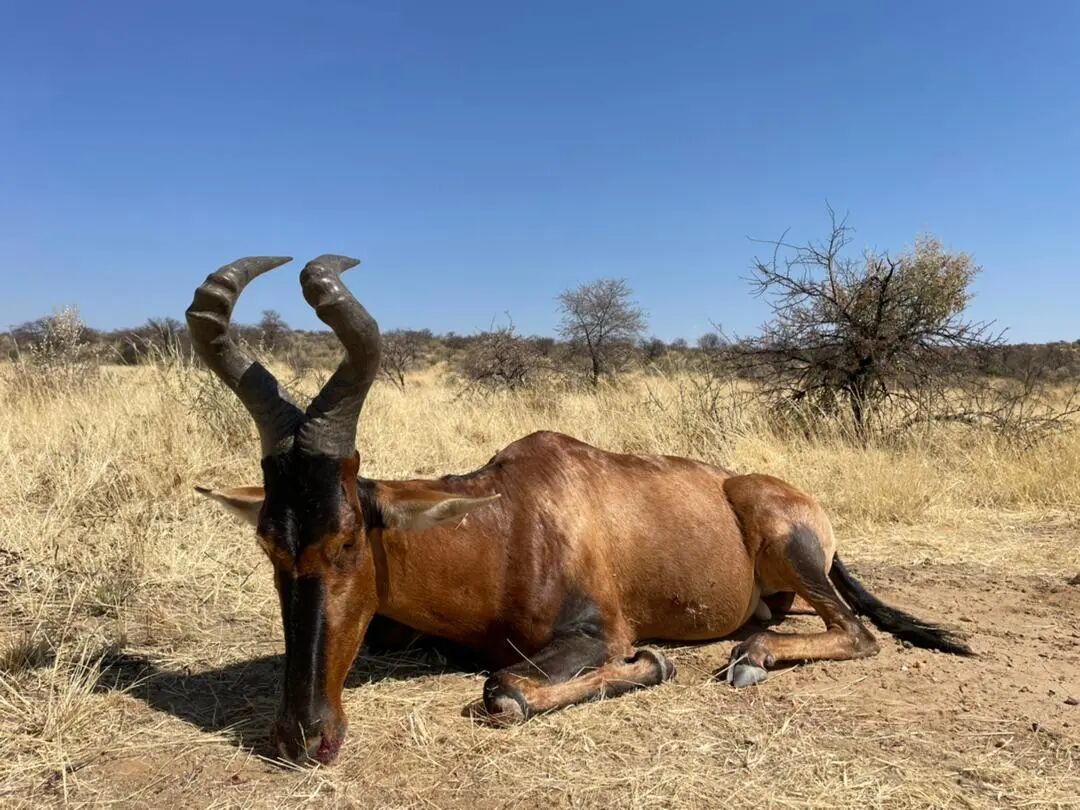
Scientific Name: Alcelaphus b caama Subspecies: Is itself a subspecies of Alcelaphus buselaphus. Distribution: South Africa, Namibia, Botswana and Angola Habitat: Open grassland and savanna. Description: Middlesized antelope, that weighs around 170 kg and measures 120 - 140 cm over the shoulder. General colour light reddish brown. The horns are black and heavy, curved at first slightly...
Read more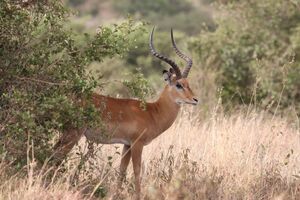
Impala
Scientific Name: Aepyceros melampus Subspecies: East African Impala (Aepyceros m. rendillis) Angola Impala (Aepyceros m. petersi) Distribution: South Africa, Mozambique, Zimbabwe, Botswana, Namibia, Angola, Zambia, Tanzania, Kenya, Uganda and Congo (Zaire) Habitat: Open bush and Acacia savanna Description: The three species are here descriped as on as the difference in appearance is negligent...
Read more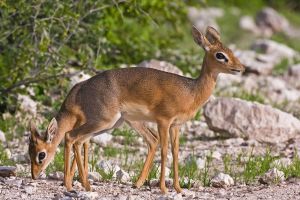
Kirk's Long Snouted Dik-Dik
Scientific Name: Madoqua Kirki Subspecies: Damara Dik-Dik (Madoqua damarensis) Distribution: Kirk's Long Snouted Dik-Dik: Tanzania and Kenya Damara Dik-Dik: Namibia and Angola. Habitat: Bush and thickets, often in the vicinity of rocks or mountains. Description: Small antelope weighing up to 6 kg with a shoulder height normally not exceeding 45 cm. The Dik-Dik's nose is moderaterly elongated,...
Read more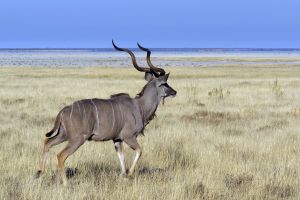
Kudu, Greater
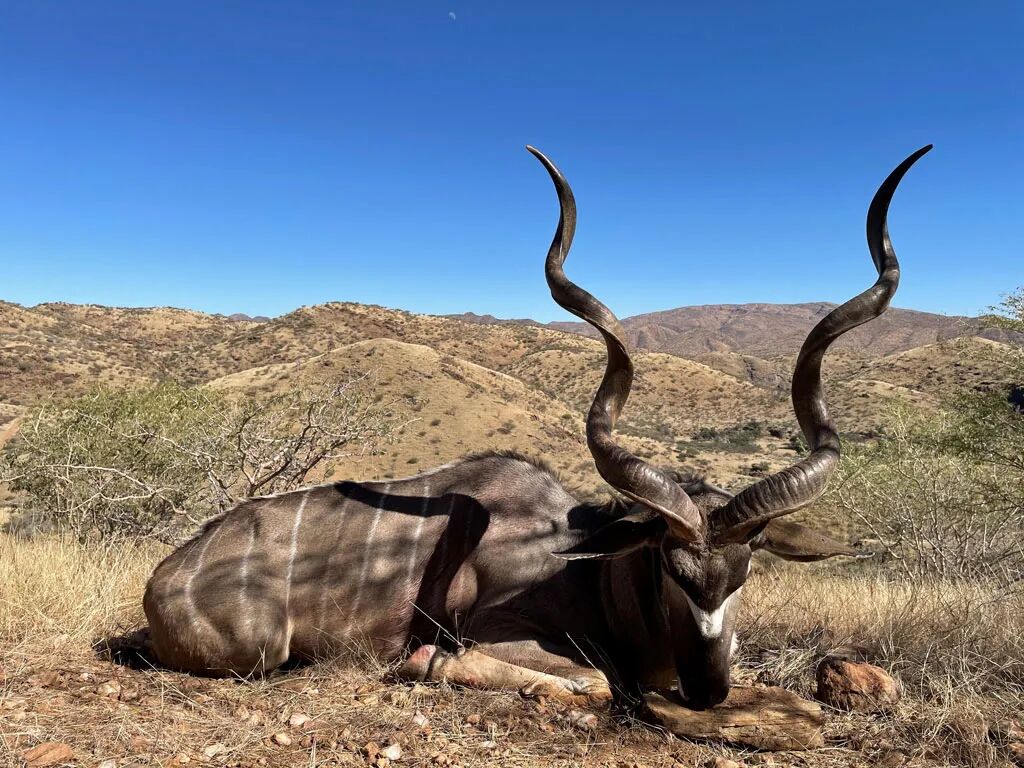
Scientific Name: Tragelaphus strepsiceros Subspecies: Southern Greater Kudu (Tragelaphus strepsiceros strepsiceros) East African Greater Kudu (Tragelaphus str. bea). Western Greater Kudu (Tragelaphus str. cottoni) Distribution: From Chad, Sudan and Ethiopia in the North through all countries along the East coast as well as Zimbabwe, Zambia, Namibia, Botswana, Angola and South Africa. Habitat:...
Read more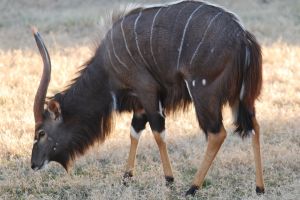
Nyala
Videnskabeligt navn: Tragelaphus angasi Underarter: Ingen. Udbredelse: Sydafrika, Mozambique, Zimbabwe, Zambia og Malawi. Levested: Tæt bush og i krat langs floder og vandløb. Beskrivelse: Middelstor antilope på 110 - 130 kg og en højde på 110 - 120 cm. Pelsfarven er gråbrun med hvide og lysebrune aftegninger. Nyalaen har ca. 11 hvide tværstriber....
Read more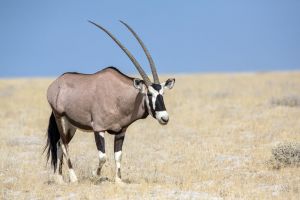
Oryx, Gemsbok
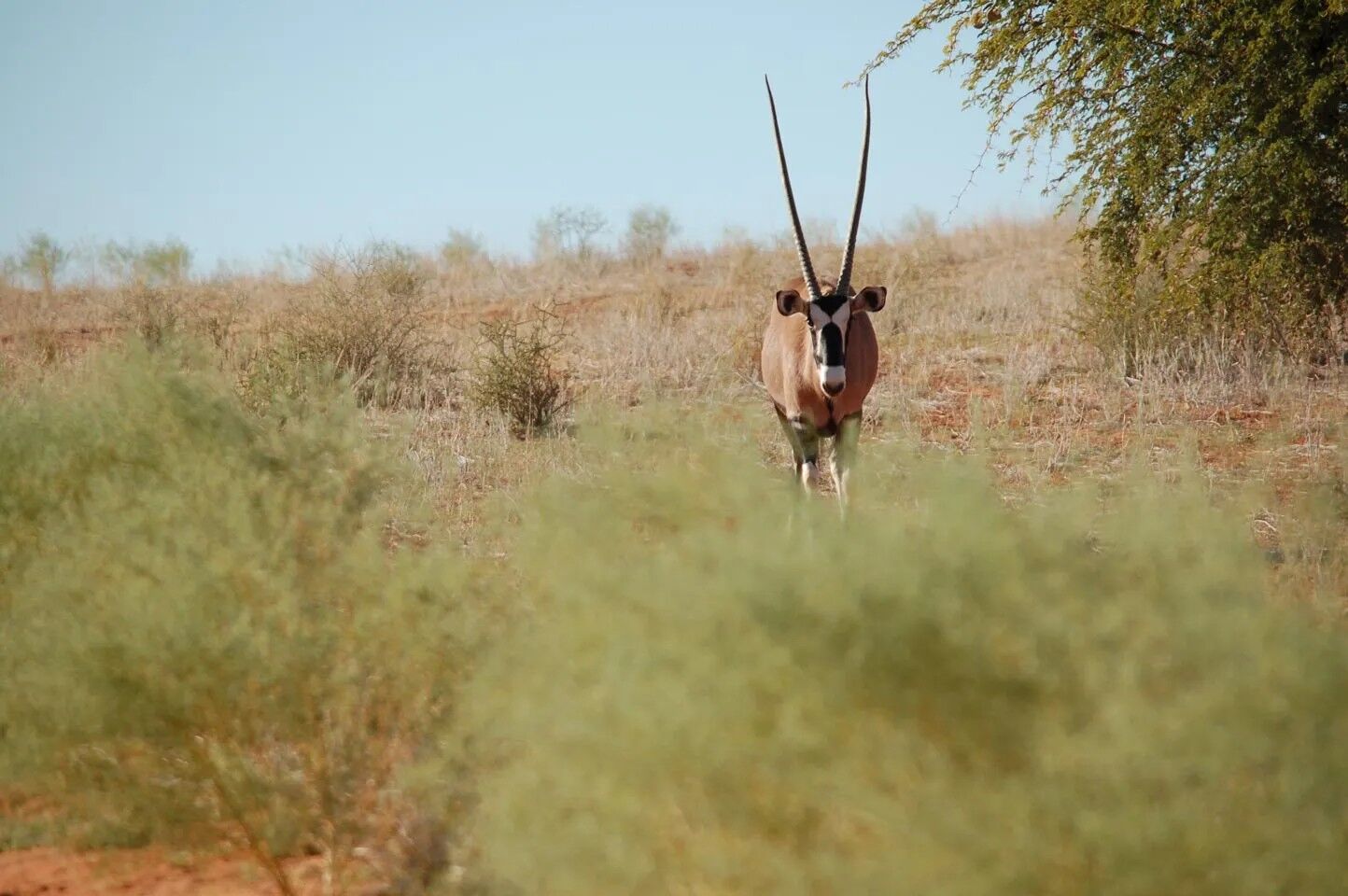
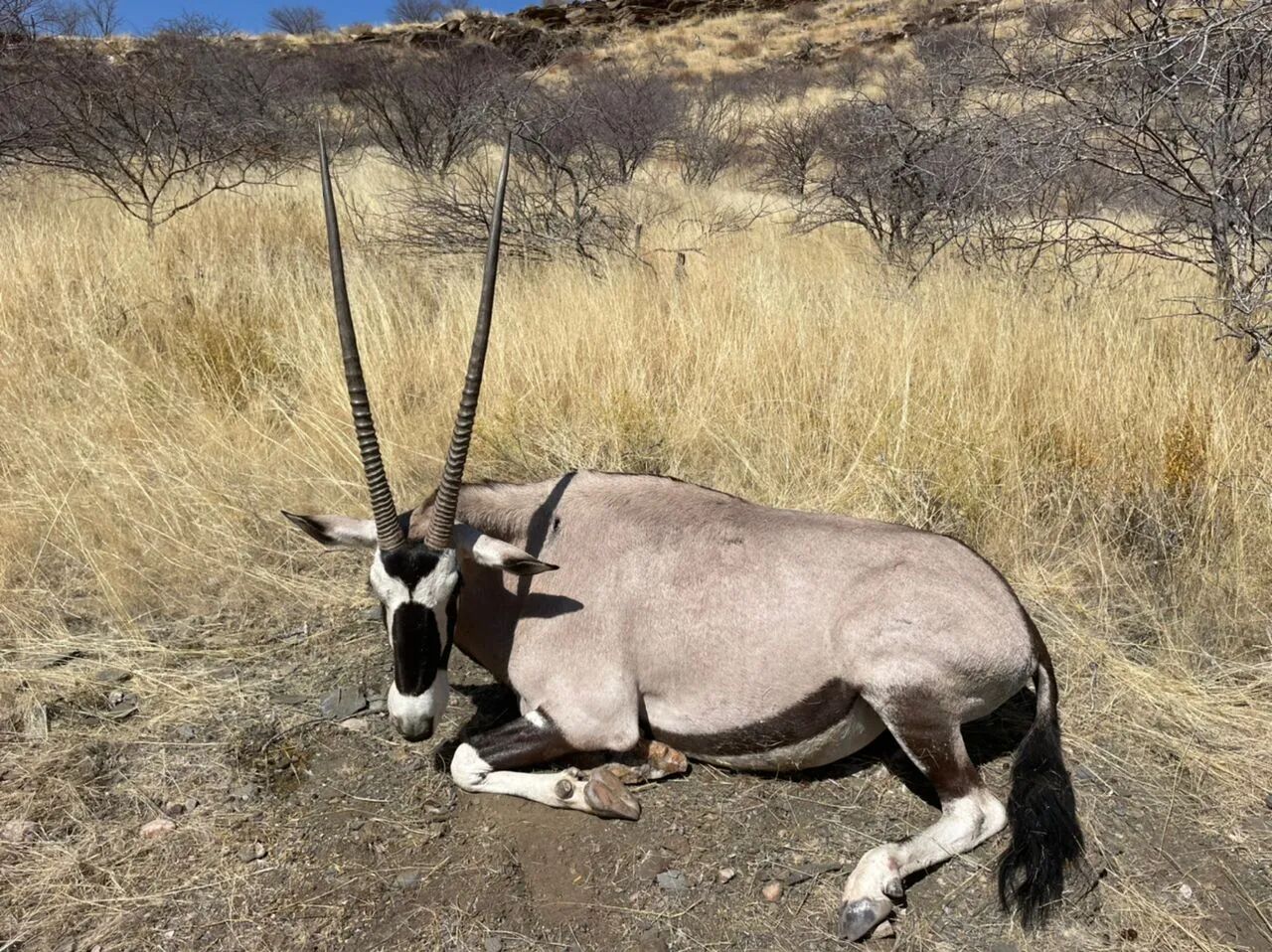
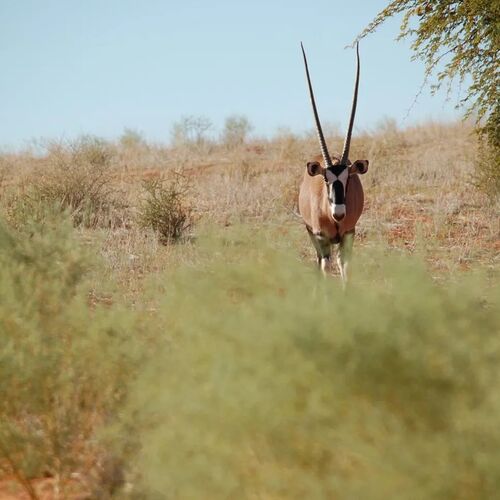
Scientific Name: Oryx gazella gazella Subspecies: Beisa Oryx (Oryx g. beisa) Fringe-eared Oryx (Oryx g. callotis) Distribution: South Africa, Botswana, Namibia and Angola. Habitat: Dry plains and sub-desert. Description: Large antelope with a very compact body. The Gemsbok reaches a weight of 220 kg and a height of around 120 cm. General colour pale fawn grey, with striking patternon head and...
Read more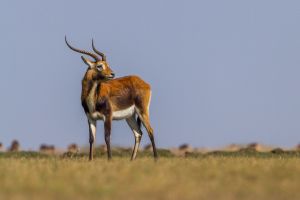
Red Lechwe/Black Lechwe/Kafue Lechwe/Moor Antilope
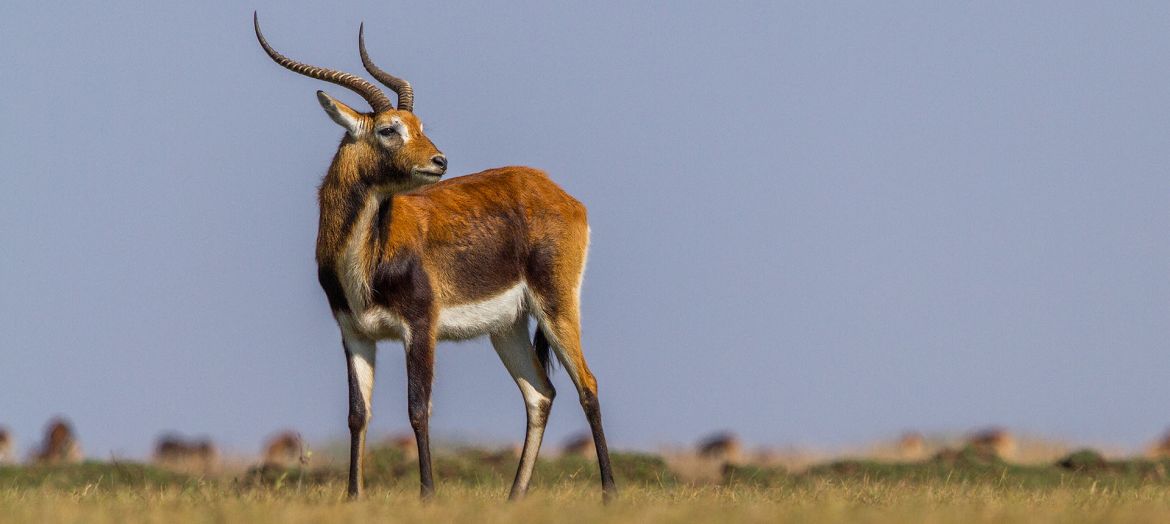
Scientific Name: Kobus leche Subspecies: Kafue Lechwe (Kobus l. kafuensis) Black Leckwe (Kobus l. Smithemani) Distribution: Lechwe: Botswana, Namibia, Zambia and Angola Kafue Leckwe: Zambia and Congo (Zaire) Black Lechwe: Zambia (Bangweolo swamps) Habitat: Swamps and wetlands (see Sitatunga) Description: The tree species will be described as one as the difference between them is negligent:...
Read more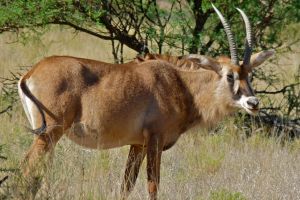
Roan
Videnskabeligt navn: Hippotragus equinus Underarter: Der anerkendes 6 underarter men vi har valgt kun at medtage de arter der er tilgænglige for trofæjægere idag. East African Roan (Hippotragus e. langheldi) Western Roan (Hippotragus e. koba) Udbredelse: Southern Roan: Sydafrika, Mozambique, Zimbabwe, Zambia og Botswana. East African Roan: Tanzania, Kenya. Western Roan: Fra de...
Read more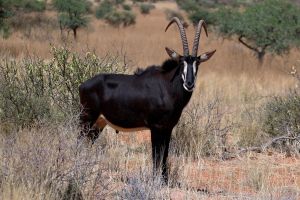
Sable Antelope (Africa)
Videnskabeligt navn: Hippotragus niger Underarter: Hippotragus n. kirkii, Hippotragus n. roosevelti. Giant Sable (Hippotragus n. Variani) beskrives ikke da den på nuværende tidspunkt er truet af udryddelse. Udbredelse: Sydafrika, Mozambique, Zimbabwe, Zambia Botswana, Namibia, Tanzania og Kenya. Levested: Åben bush og græssletter men findes også ofte i miombo- og...
Read more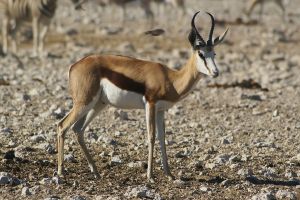
Springbuck/Springbok
Scientific Name: Antidorcas marsupialis Subspecies: Antidorcas m. hohmeyeri, a. m. angolensis. Distribution: From Angola in the North till the northern parts of South Africa with main distribution in Namibia and Botswana. Habitat: Open dry plains and semi-desert. Small gazelle with relatively long legs. The Springbok reaches ca. 95 in height and has an average weight of 25 - 45 kg. General...
Read more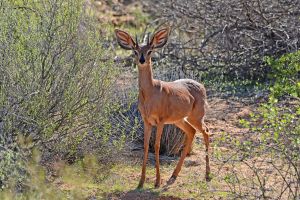
Steenbuck/Steenbok
Scientific Name: Raphicerus campestris Subspecies: Authors dissagree on the number of subspecies, and 1 to 8 subspecies are more or less recognized. Distribution: South Africa, Namibia, Angola, Botswana, Zimbabwe, Zambia, Mozambique, Kenya and Tanzania. Habitat: Open plains with bush and very little woodland. Description: Small antelope weighing 10 - 15 kg with a shoulder height normally not...
Read more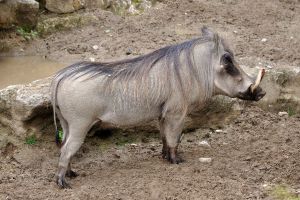
Warthog
Videnskabeligt navn: Phacochoerus aethiopicus Underarter: Der anerkendes op til 7 underarter, der her beskrives under et. Udbredelse: Hele Afrika syd for Sahara med undtagelse af den vestafrikanske regnskov samt ørken områder i Namibia. Levested: Åben bush og græssletter. Beskrivelse: Mindre griselignende dyr der opnår en vægt på 100 kg og en...
Read more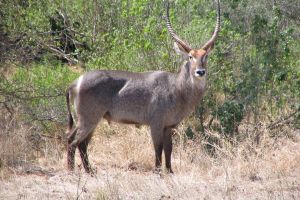
Waterbuck
Videnskabeligt navn: Kobus Defassa Underarter: Common Waterbuck (Kobus d. ellipsiprymnus), Defassa Waterbuck (Kobus d. defassa) Crawshay's Waterbuck (Kobus d. crawshayi). Sing Sing Waterbuck (Kobus d. unctuosus) Udbredelse: Defassa Waterbuck: Kenya, Tanzania, Ethiopien Sudan. Common Waterbuck: Sydafrika, Mozambique, Zimbabwe, Botswana, Zambia, Tanzania, Kenya, Sudan. Crawshay's Waterbuck:...
Read more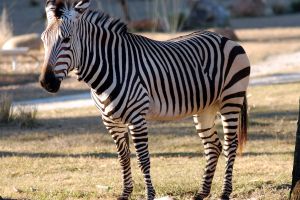
Zebra, Mountain
Videnskabeligt navn: Equus zebra Underarter: Hartmann's Mountain Zebra (E.z.hartmannae) Udbredelse: Mountain Zebra: Sydafrika. Hartmann's Mountain Zebra: Namibia. Levested: Åben bush og græssletter. Beskrivelse: Hestelignende dyr der opnår en vægt på 250 kg og en højde målt over s skuldrene på ca. 130 cm. Skindet er stribet i hvid og brunsorte...
Read morePrices

The price includes
- 6 days accommodation with full board and soft drinks
- 5 days hunting with professional hunter, skinner and tracker
- Airport transfer
- All transport during the hunt
- Hunting licence
- Laundry service
- Skinning and preliminary treatment of trophies at camp
- Transport of trophies to local taxidermist
- Namibian VAT of 15 %
- 1 % government fee on accommodation
The price does not include
- Flight ticket to/from Windhoek and airport taxes
- Trophy fees
- Taxidermy work and shipment of trophies
- Alcoholic Drinks. It is possible to buy a drinks package. Euro 180 per person for the full week. To be settled directly.
- Rental of rifle + ammunition
- Gratuities
- Travel and cancellation insurance
- EU liability insurance, Euro 10,00 per person
- Booking fee, Euro 200 per hunter
- Anything not mentioned under "The prices include"
Diana Hunting Tours has partnered with the travel insurance company European (ERV) and is pleased to offer you an ideal travel insurance solution for your hunting trip, as well as cancellation insurance in case you need to cancel the trip due to illness.
Please note that this insurance offer is available only to residents of Denmark, Norway, Sweden, Iceland, Greenland, the Faroe Islands, Germany, Finland, and the Netherlands.
If you would like to purchase travel or cancellation insurance through Diana Hunting Tours, please contact your travel consultant or our support team at +45 62 20 25 40, or send an email to info@diana.dk.
Trophy Price List 2026 (EURO)
| Baboon - Cull | Free | - | Nyala | 4500 |
| Baboon - Trophy | 100 | - | Red Hartebeest | 850 |
| Blesbok – Common | 750 | - | Roan | 6500 |
| Blesbok - White | 850 | - | Sable | 6000 |
| Caracal Cat | 1000 | - | Springbok – Kalahari | 550 |
| Cheetha | 5000 | Springbok – Black | 1000 | |
| Duiker | 500 | Springbok – White | 1000 | |
| Eland - Cape | 2200 | - | Springbok – Copper | 1000 |
| Gemsbok/Oryx | 750 | - | Steenbok | 450 |
| Gemsbok/Oryx - Golden | 2500 | - | Warthog | 450 |
| Giraffe | 3000 | - | Waterbuck | 1600 |
| Impala – Common | 750 | - | Wildebeest – Black | 1200 |
| Jackal - Cull | Free | - | Wildebeest – Blue | 900 |
| Jackal - Trophy | 100 | - | Wildebeest - Golden | 2500 |
| Klipspringer | 2100 | Zebra - Burchell | 1000 | |
| Kudu | 3000 | Zebra – Hartmann | 750 | |
| Lechwe | 4500 |
Cull hunting
| Eland | 450 | Blue Wildebeest | 350 | |
| Hartmann's Zebra | 350 | Springbok | 200 | |
| Waterbuck | 350 | Warthog | 200 |