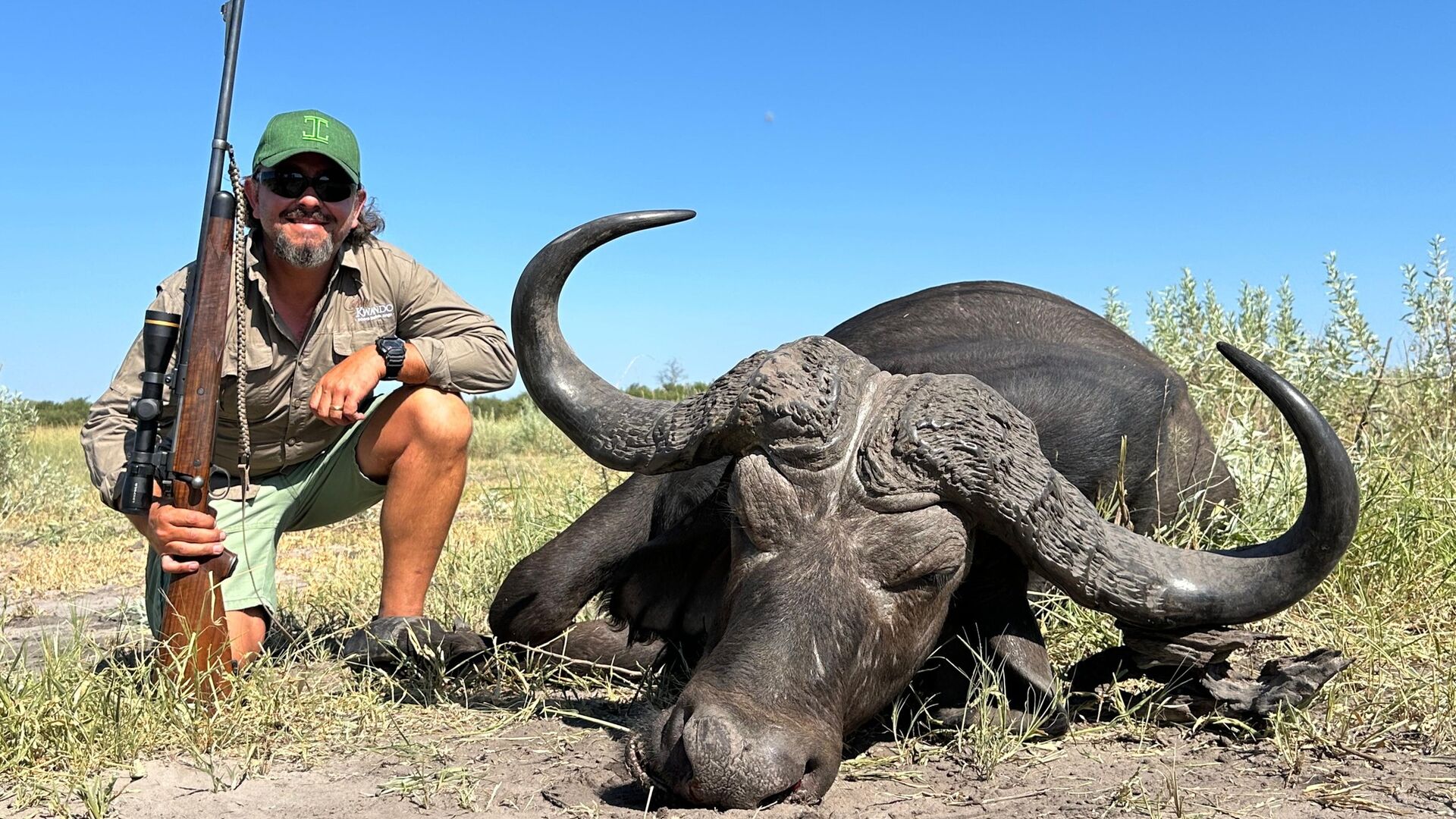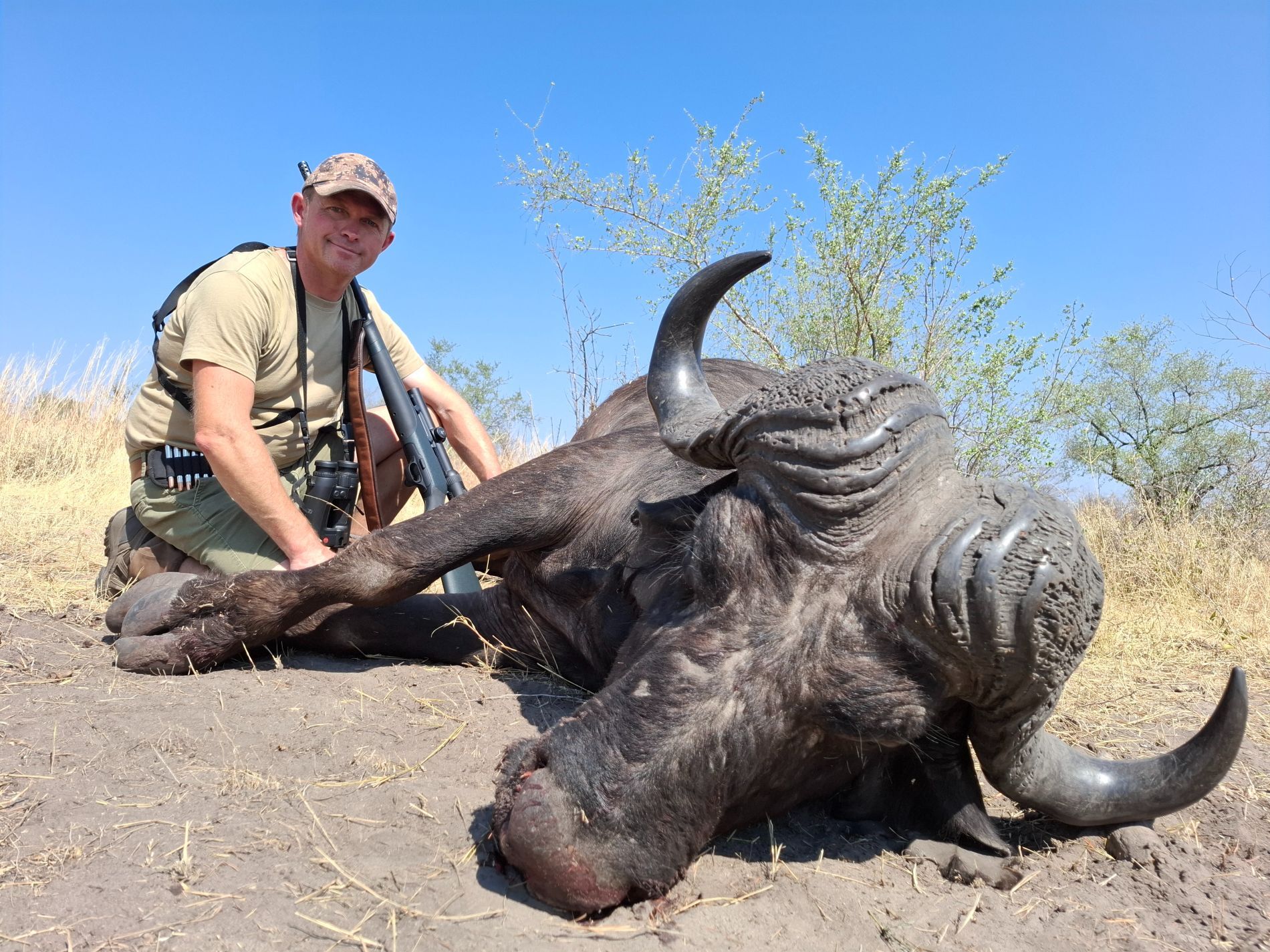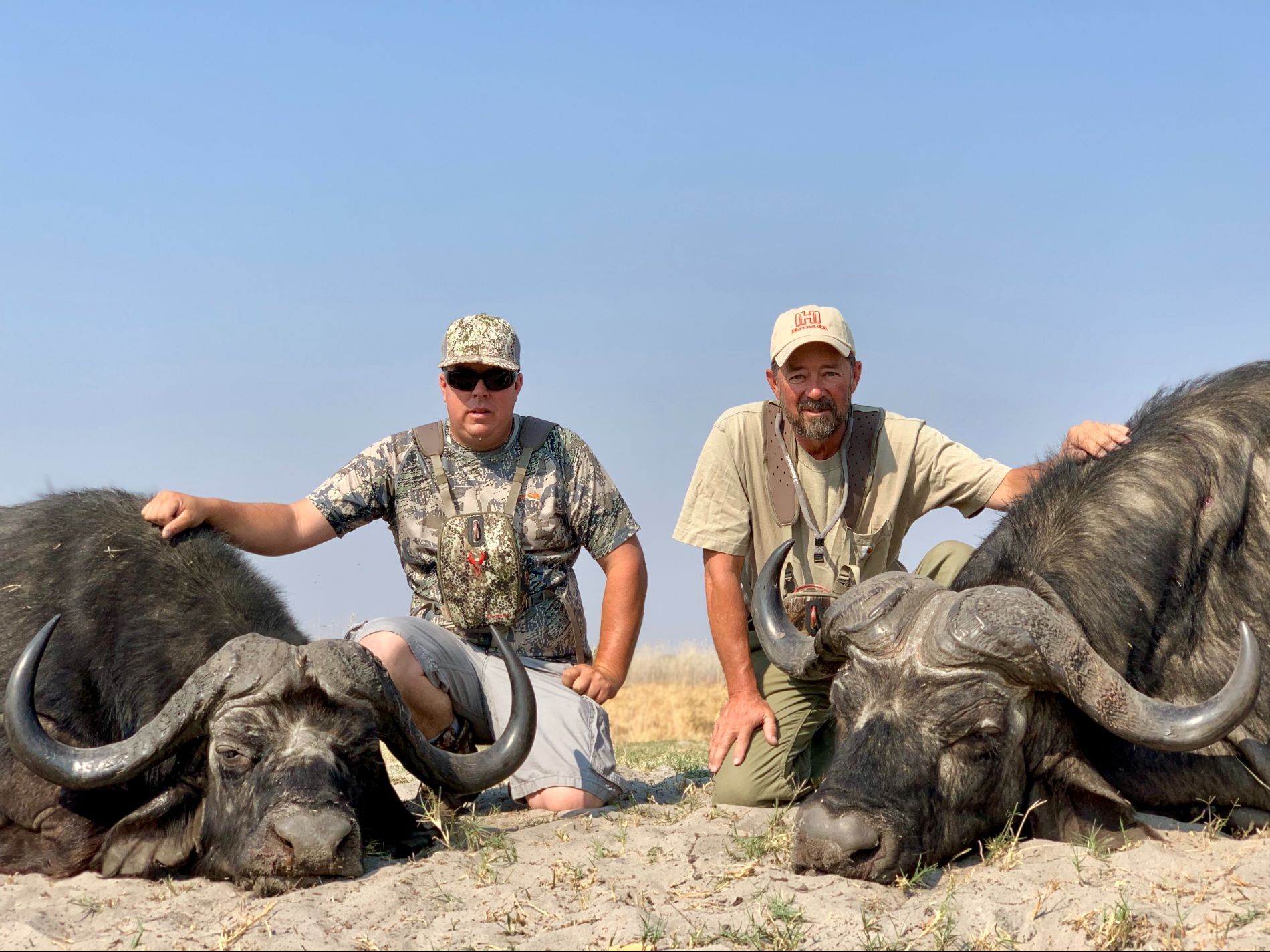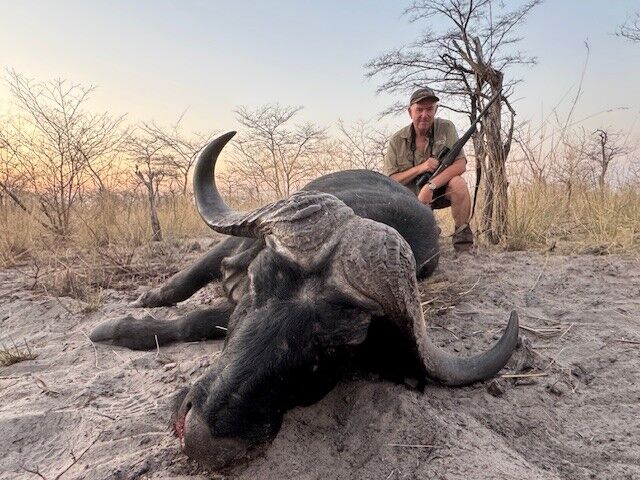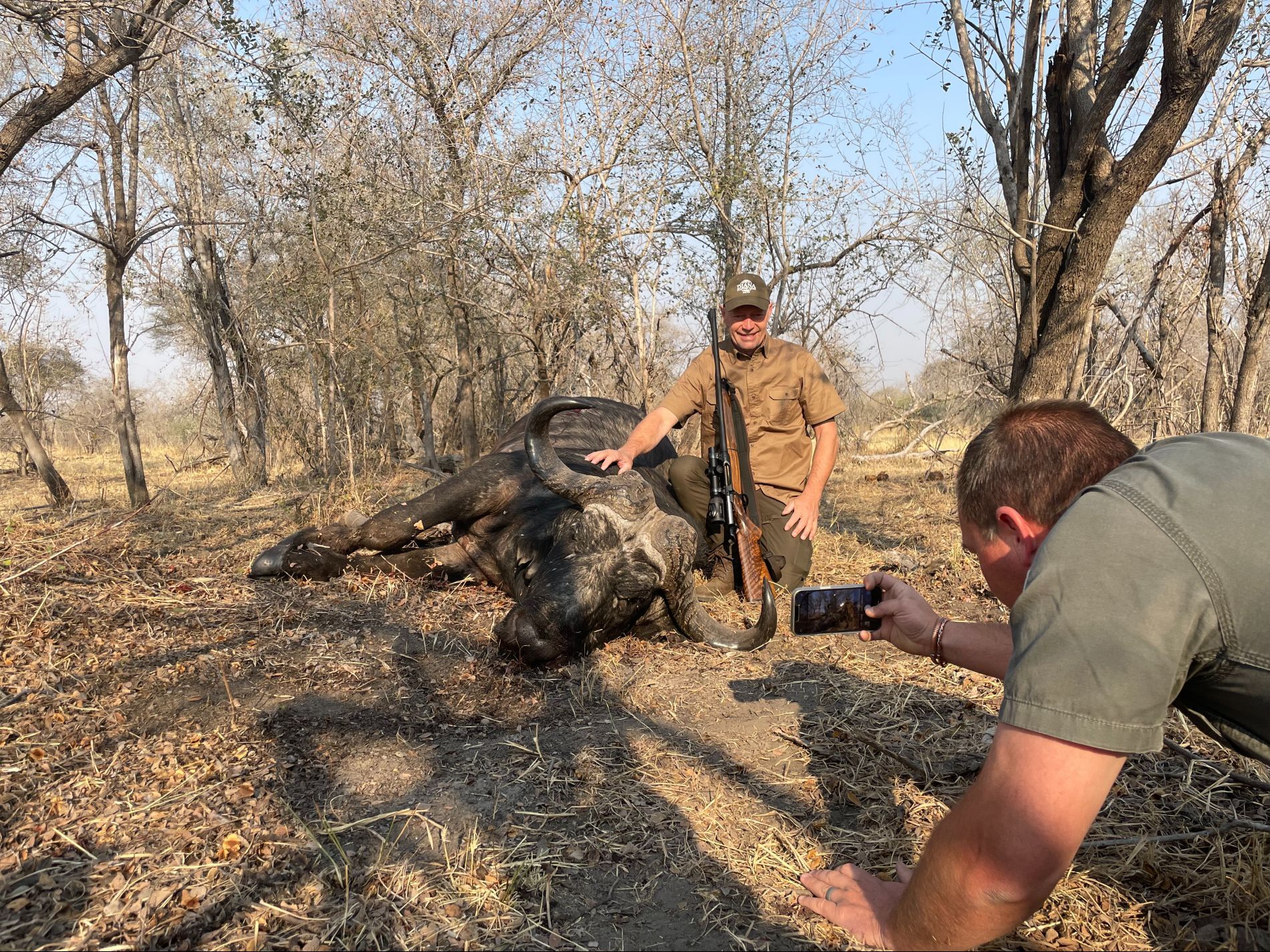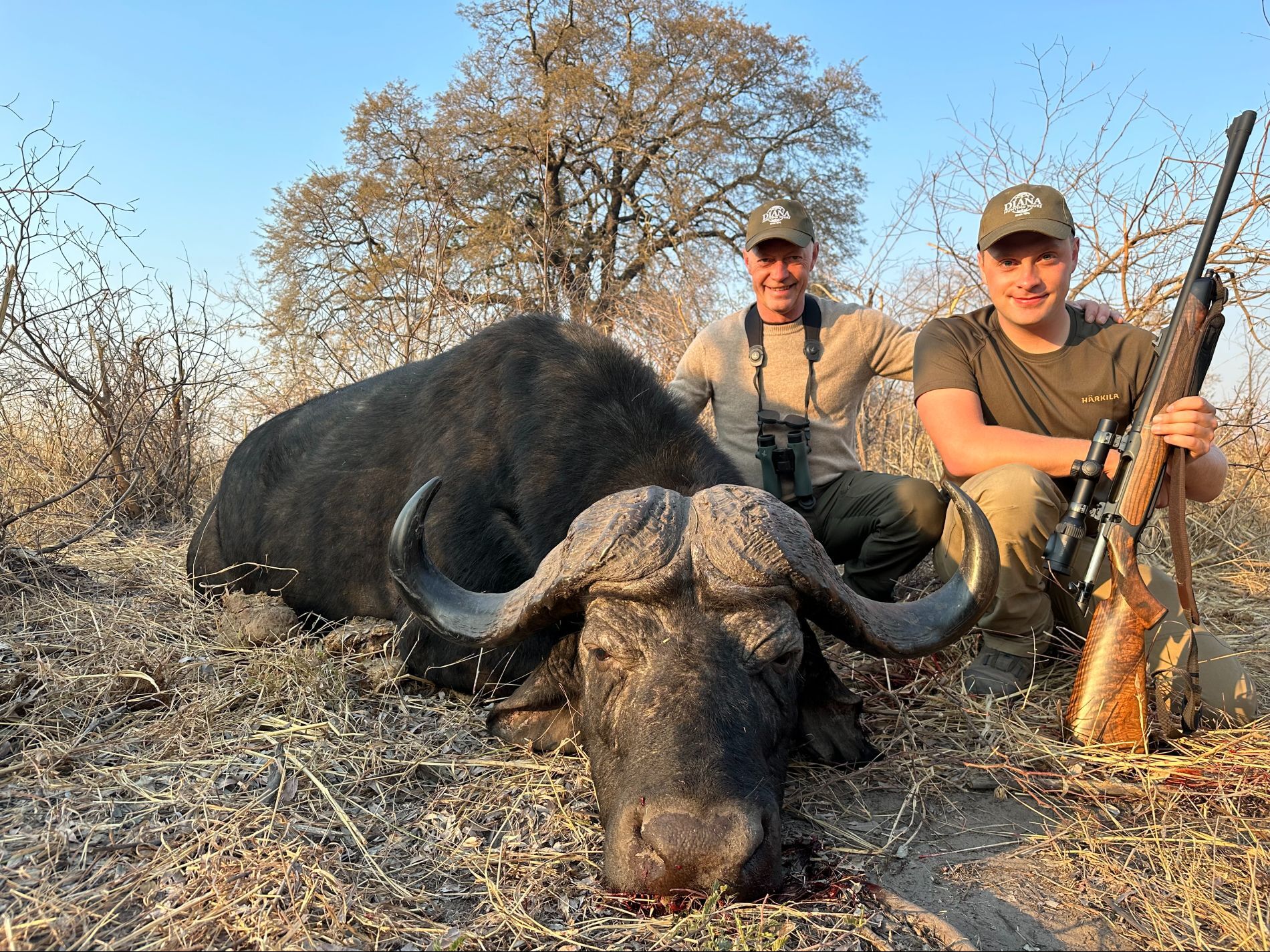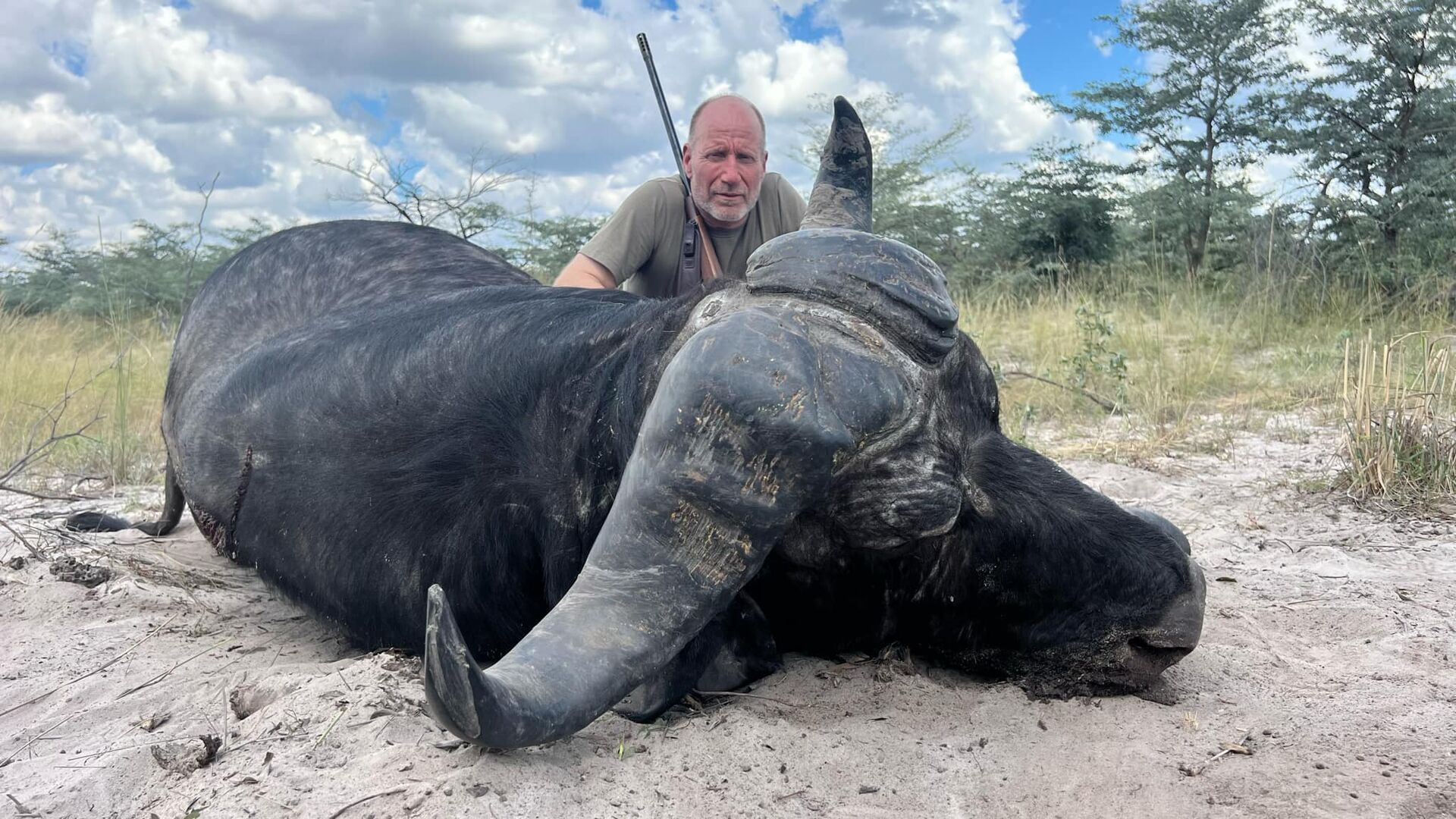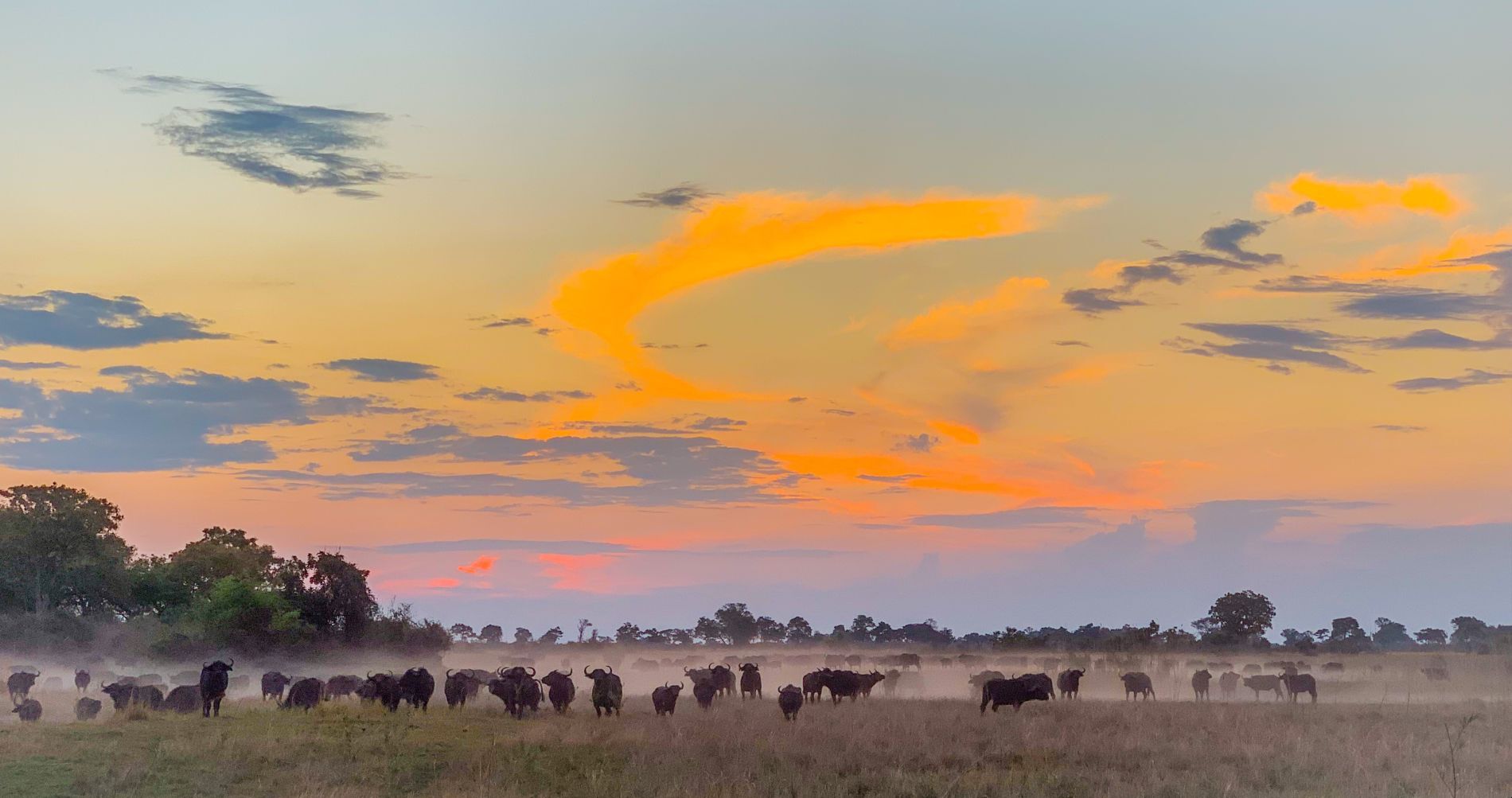
Buffalo Hunt in Caprivi
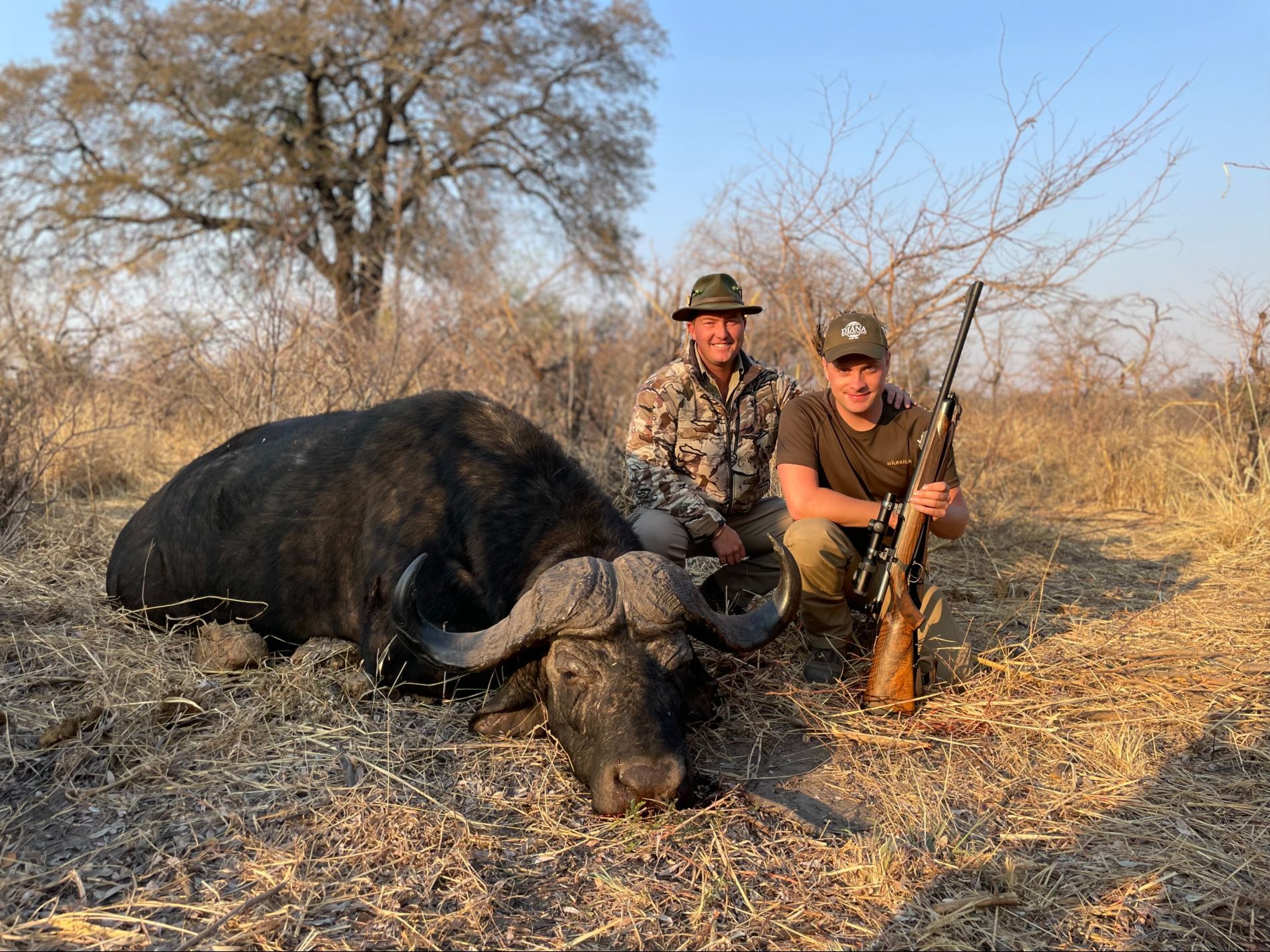
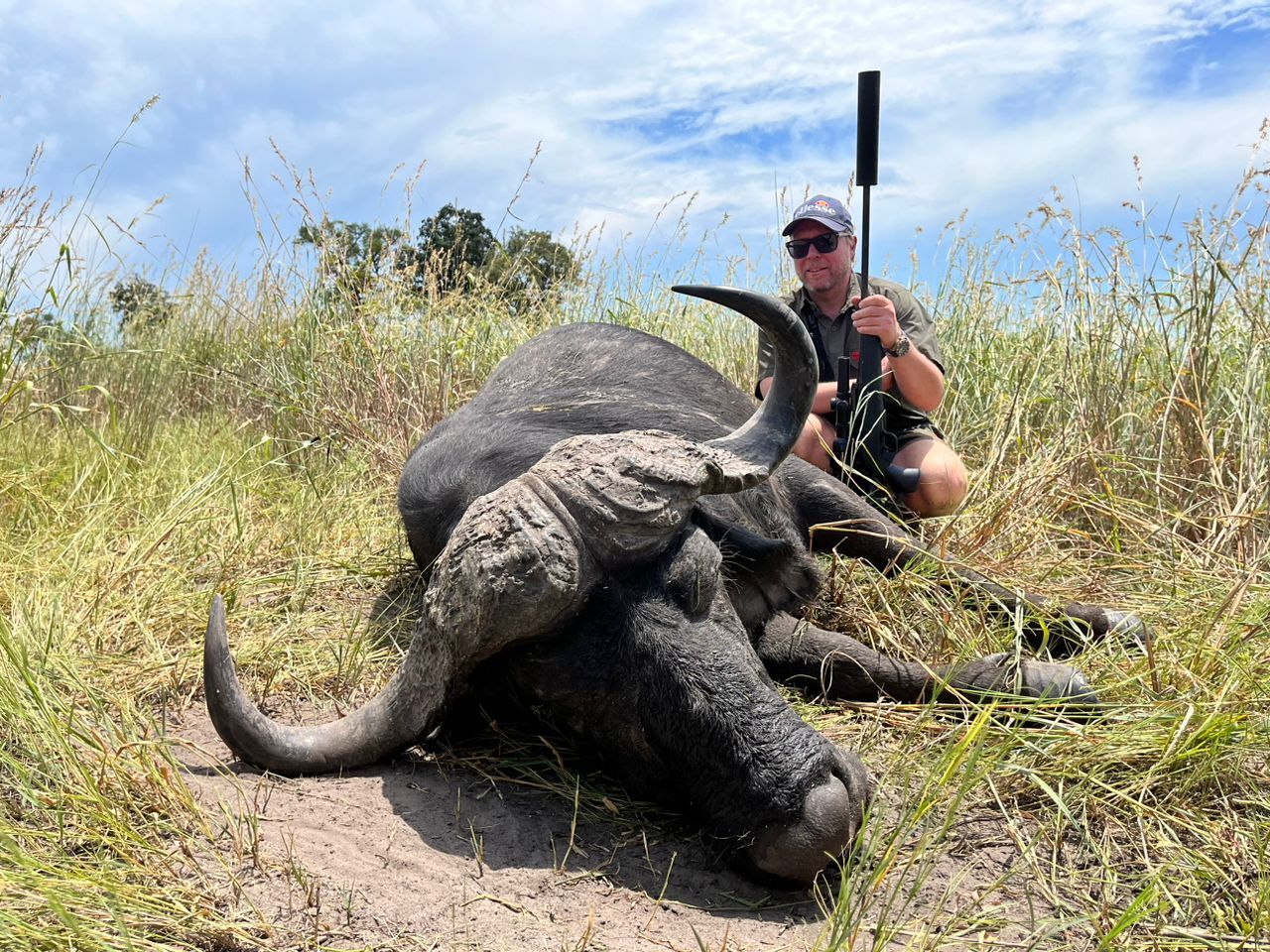
Experience true big game hunting in Caprivi, where the pursuit of the legendary “dagga boys” takes place in raw, untamed wilderness. An intense and classic safari with strong game populations and impressive trophies.
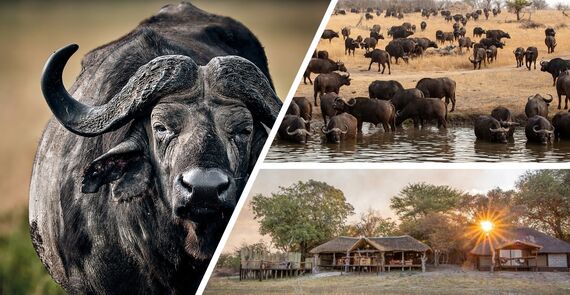
Highlights
- World-renowned hunting area in Caprivi with authentic, untouched wilderness
- Classic buffalo hunting for “dagga boys” with strong trophy potential
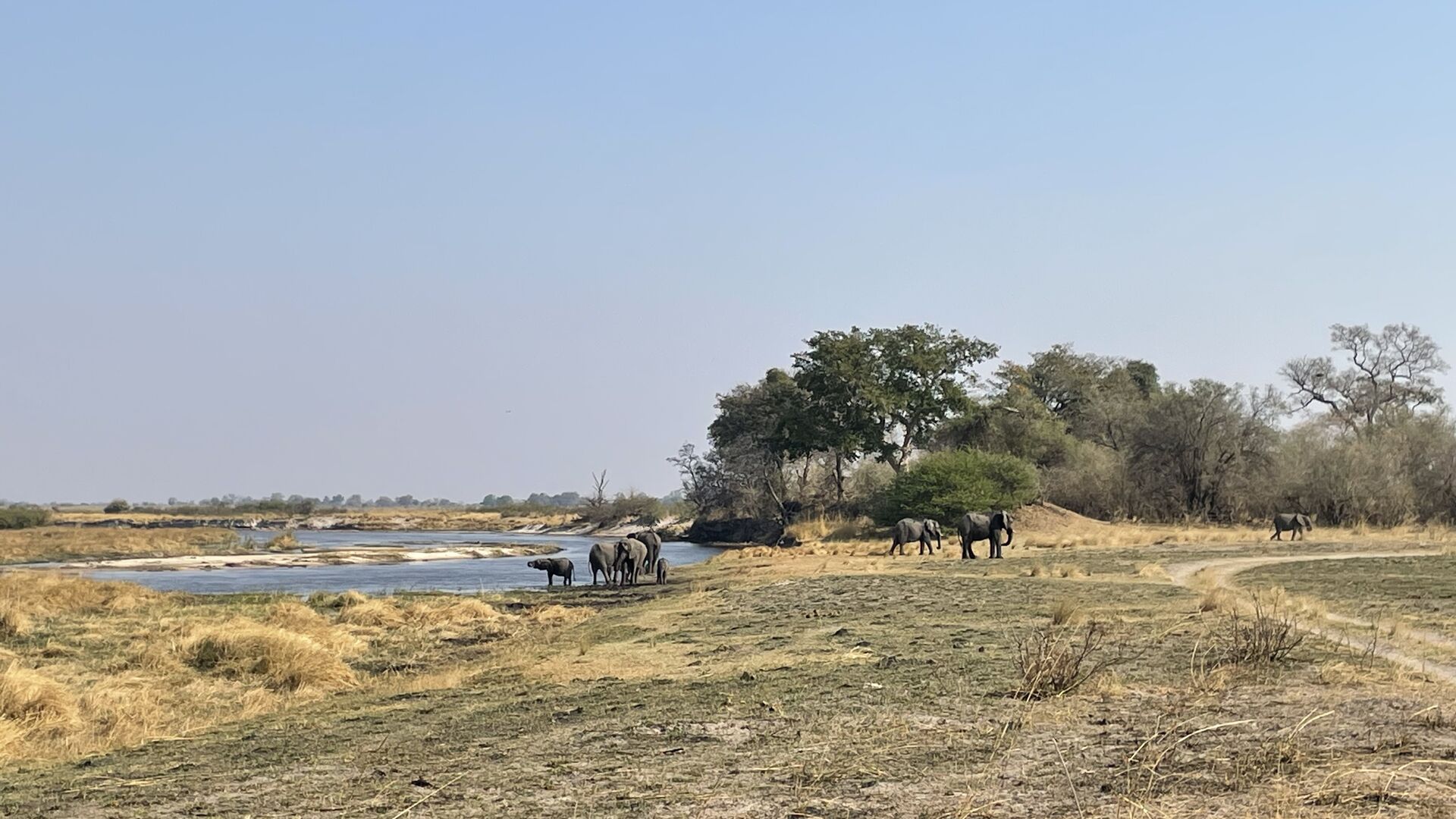
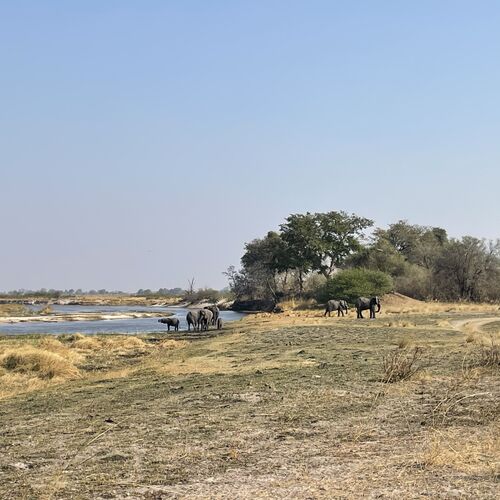
- Exceptional wildlife abundance including elephants, hippos, and exclusive plains game
- Intense hunting style with tracking on foot in varied and exciting terrain
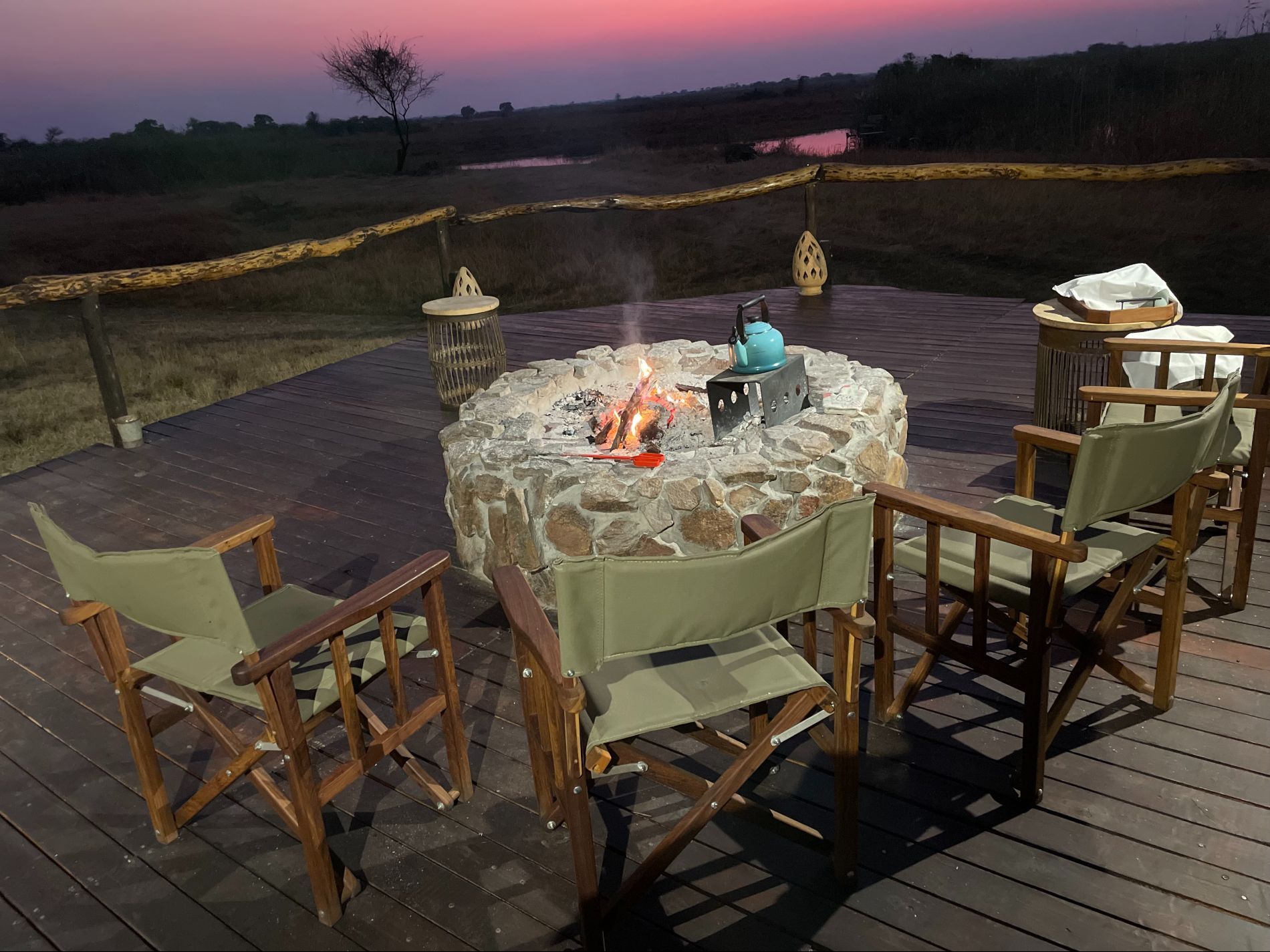
- Exclusive accommodation at Sitatunga Camp overlooking the Kwando River


7 days from €18,995
Buffalo Hunting in the World-Famous Caprivi Strip
Through our long-standing partner Omujeve Hunting Safaris, we are able to offer a very limited number of buffalo hunts in the world-renowned Caprivi region (Zambezi Region) in northeastern Namibia. The area is internationally recognized as one of Africa’s most exciting destinations for classic big game hunting in wild and untouched surroundings.
Your journey begins in Windhoek, followed by a domestic flight to Katima Mulilo, the main town of the Caprivi Strip. From there, you continue to the hunting area, where the safari is based in Omujeve’s concession along the Kwando River (only a two-hour drive from Katima Mulilo Airport).
Trophy Quality and Game Population
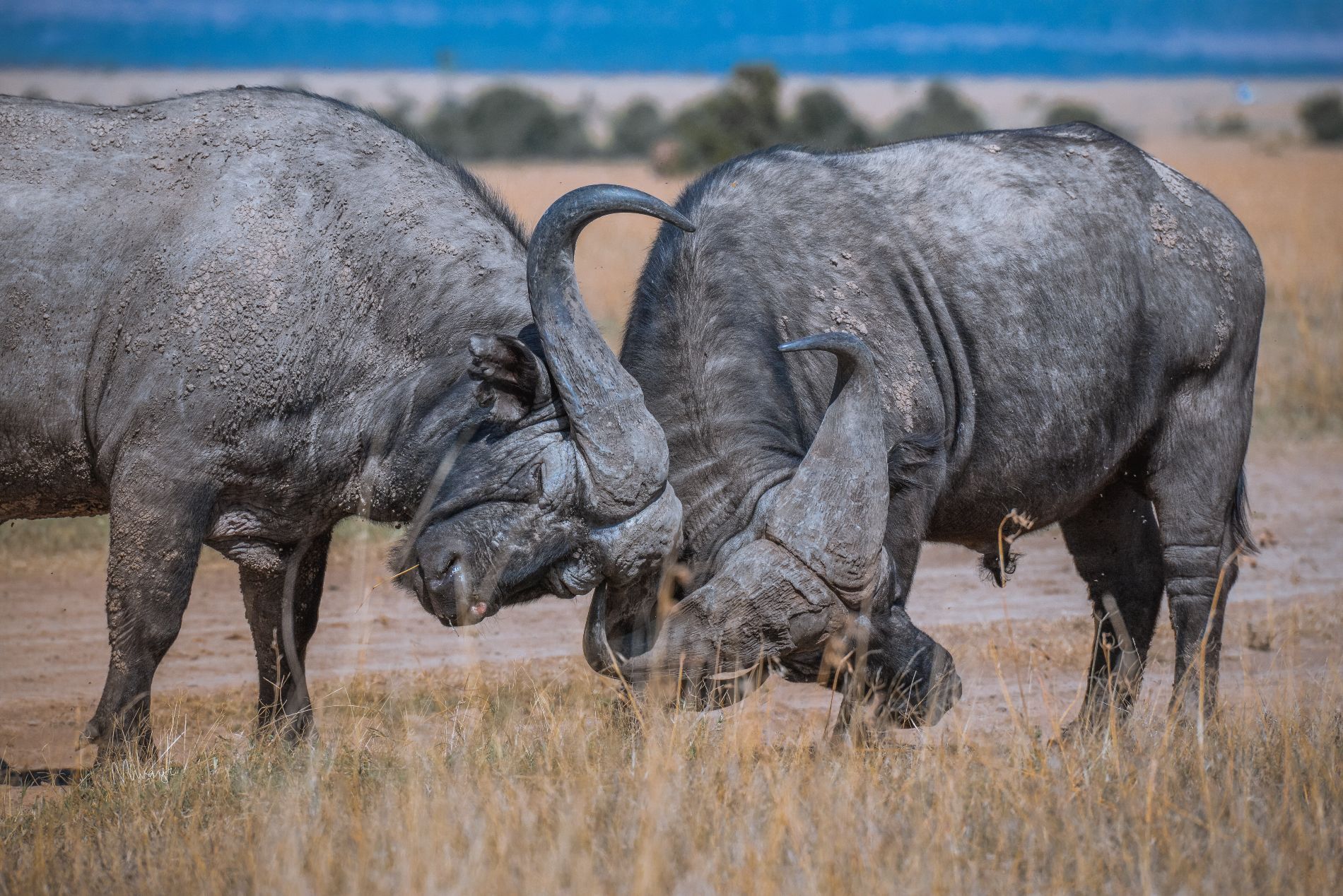
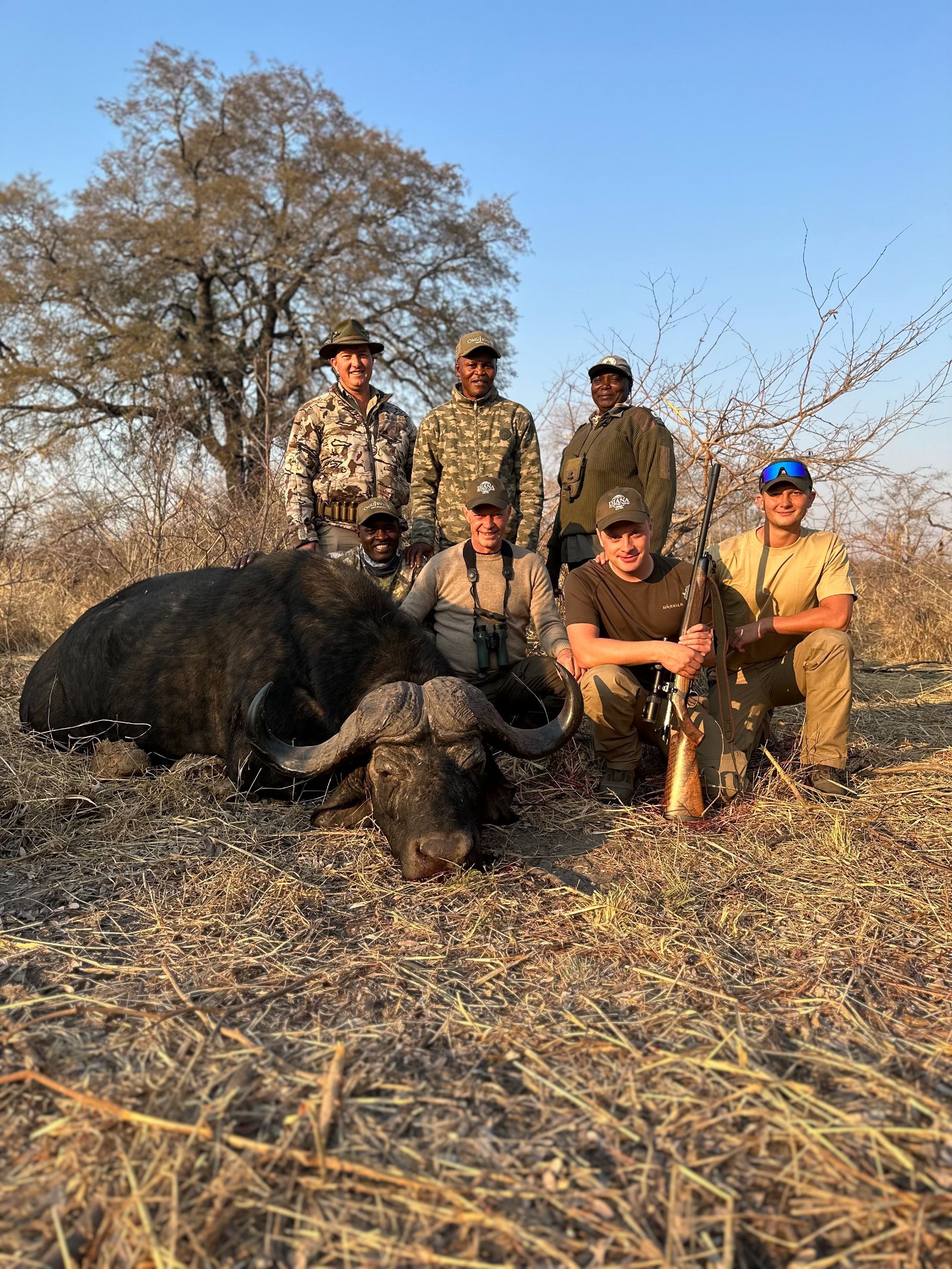
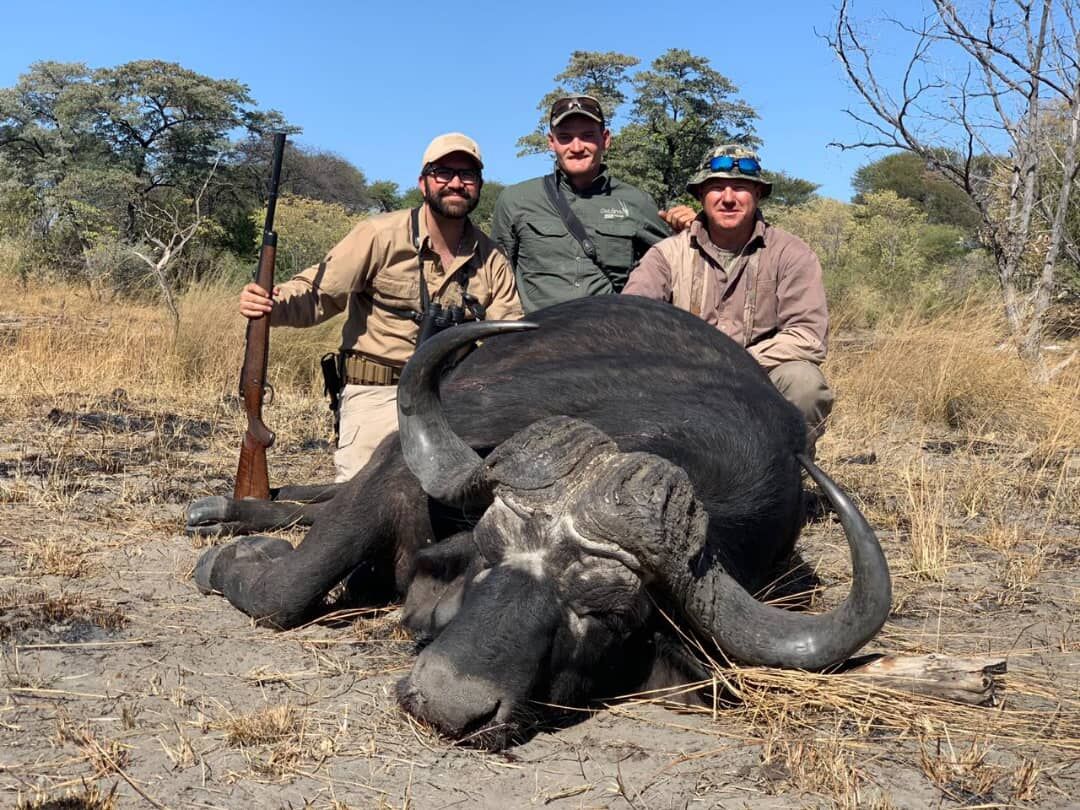
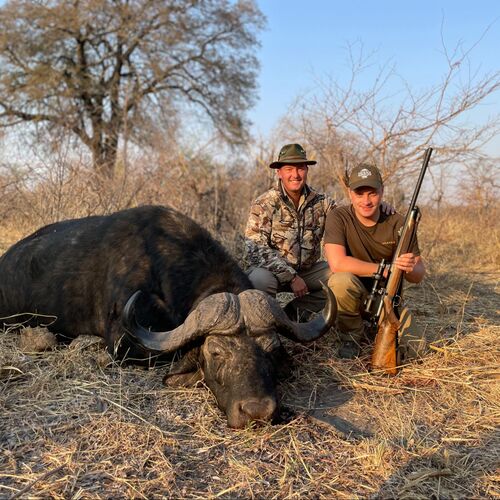
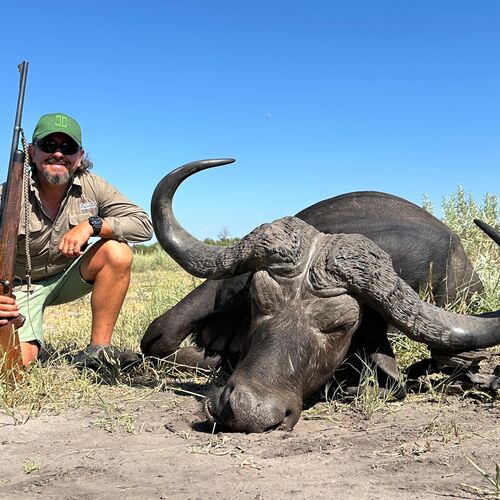
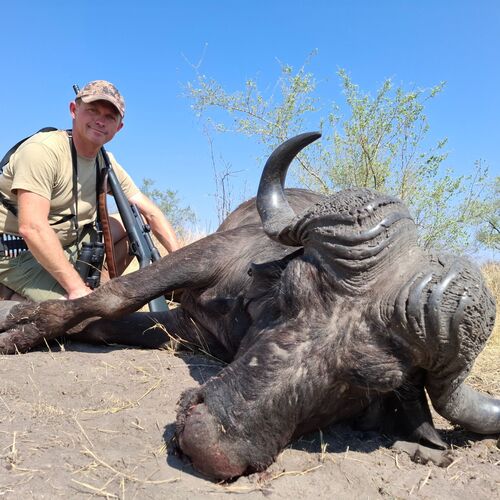
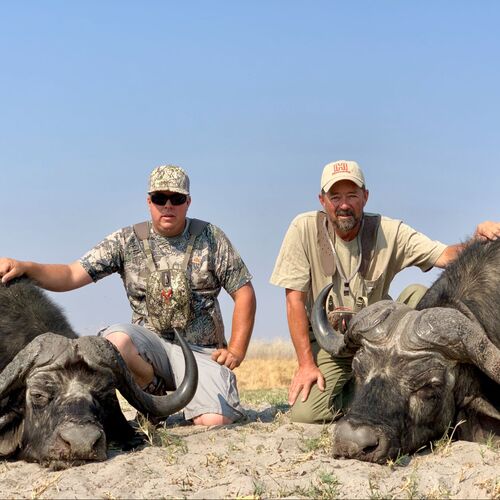
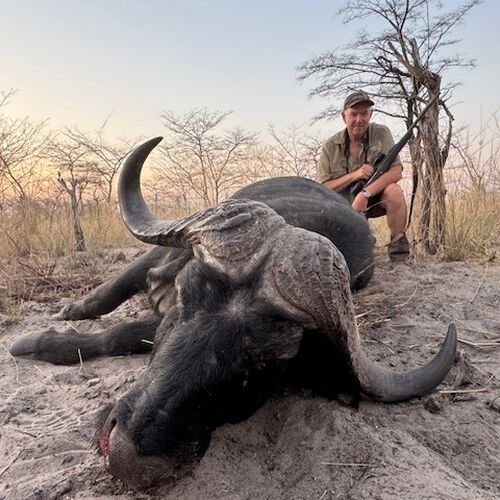
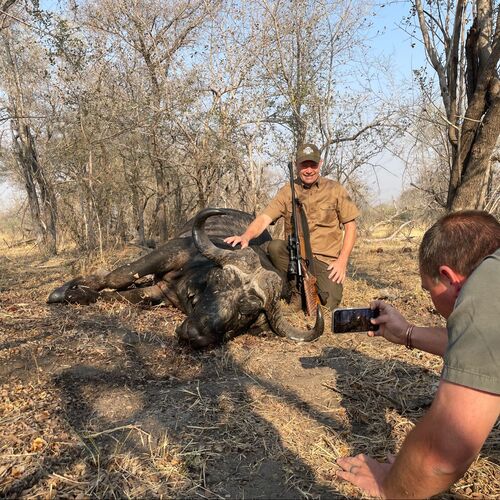
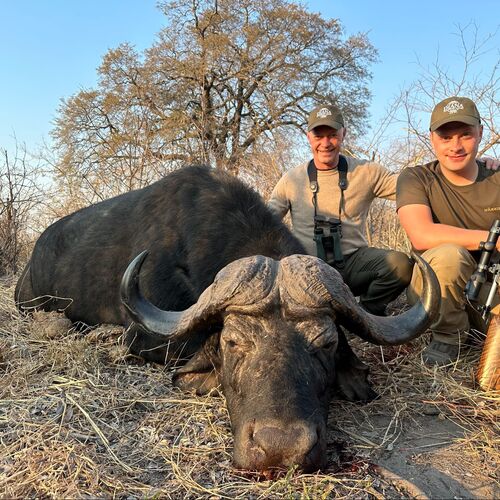
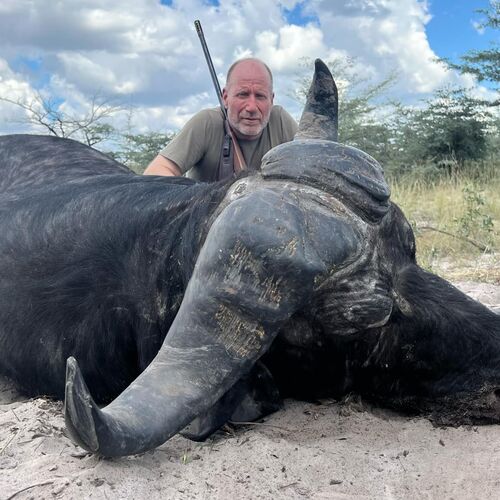
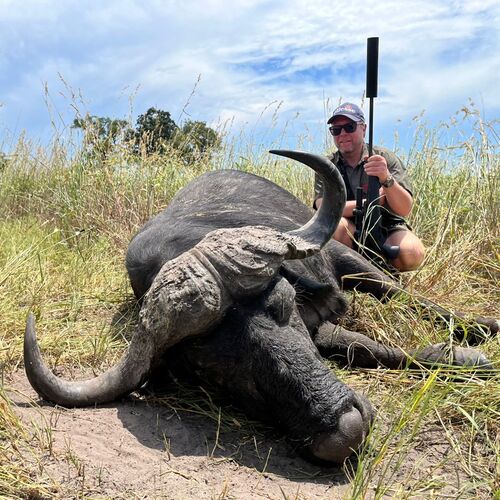
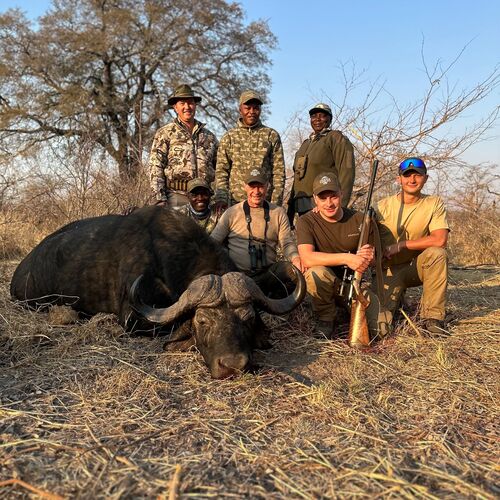
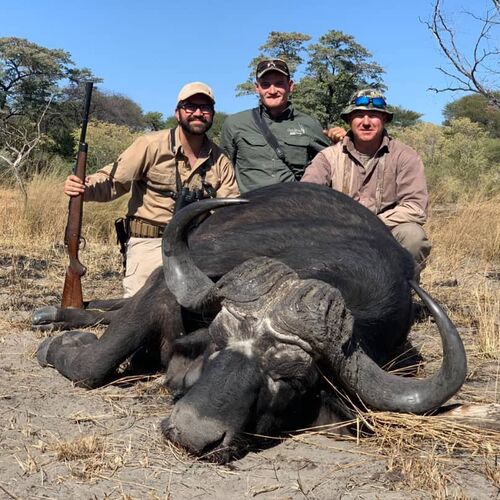
The hunt focuses on large, old buffalo bulls – the so-called “dagga boys” – and the area has consistently produced outstanding trophies over many years.
In Caprivi, mature buffalo bulls typically measure around 35–40 inches in horn spread, with occasional larger specimens.
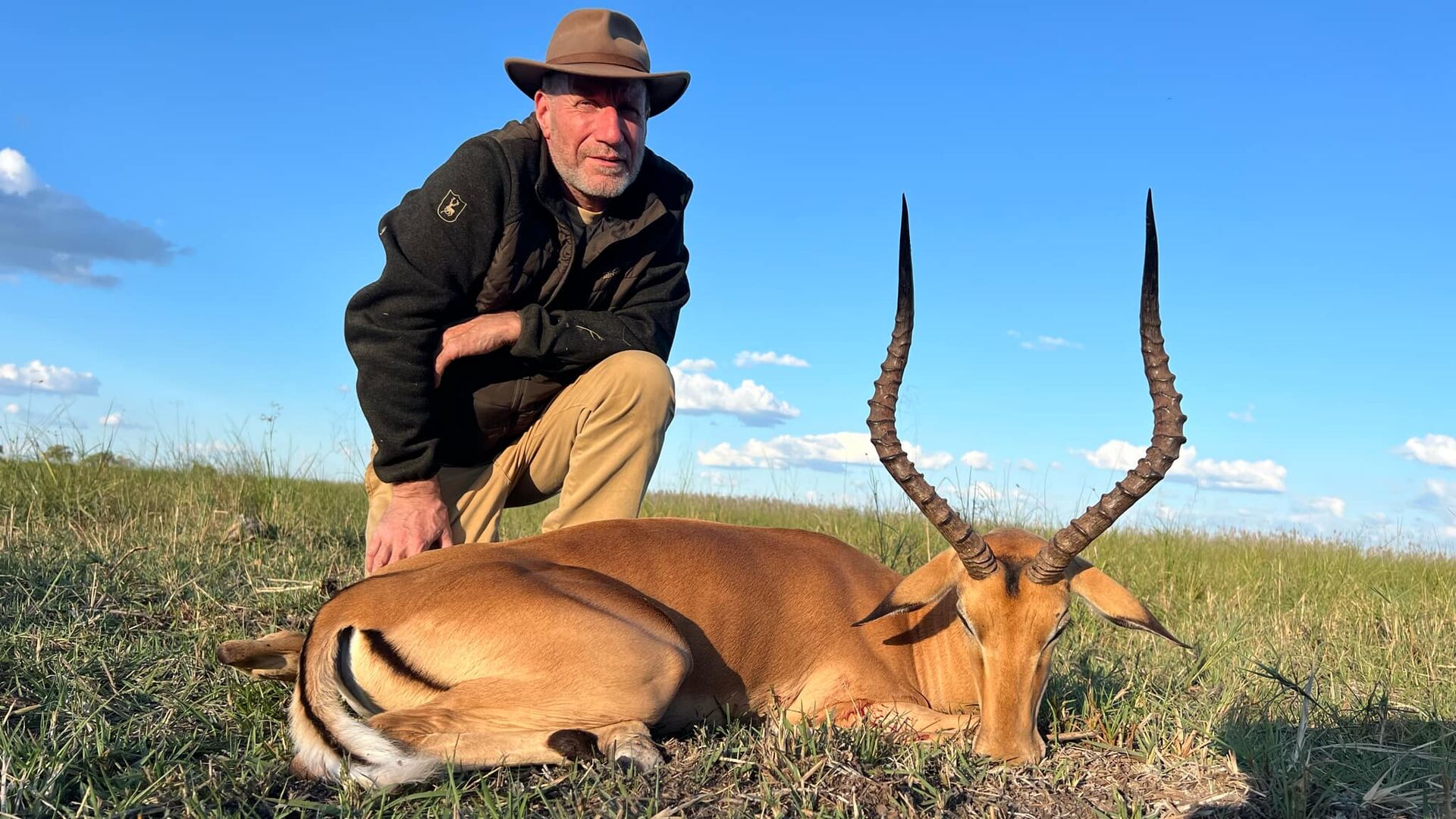
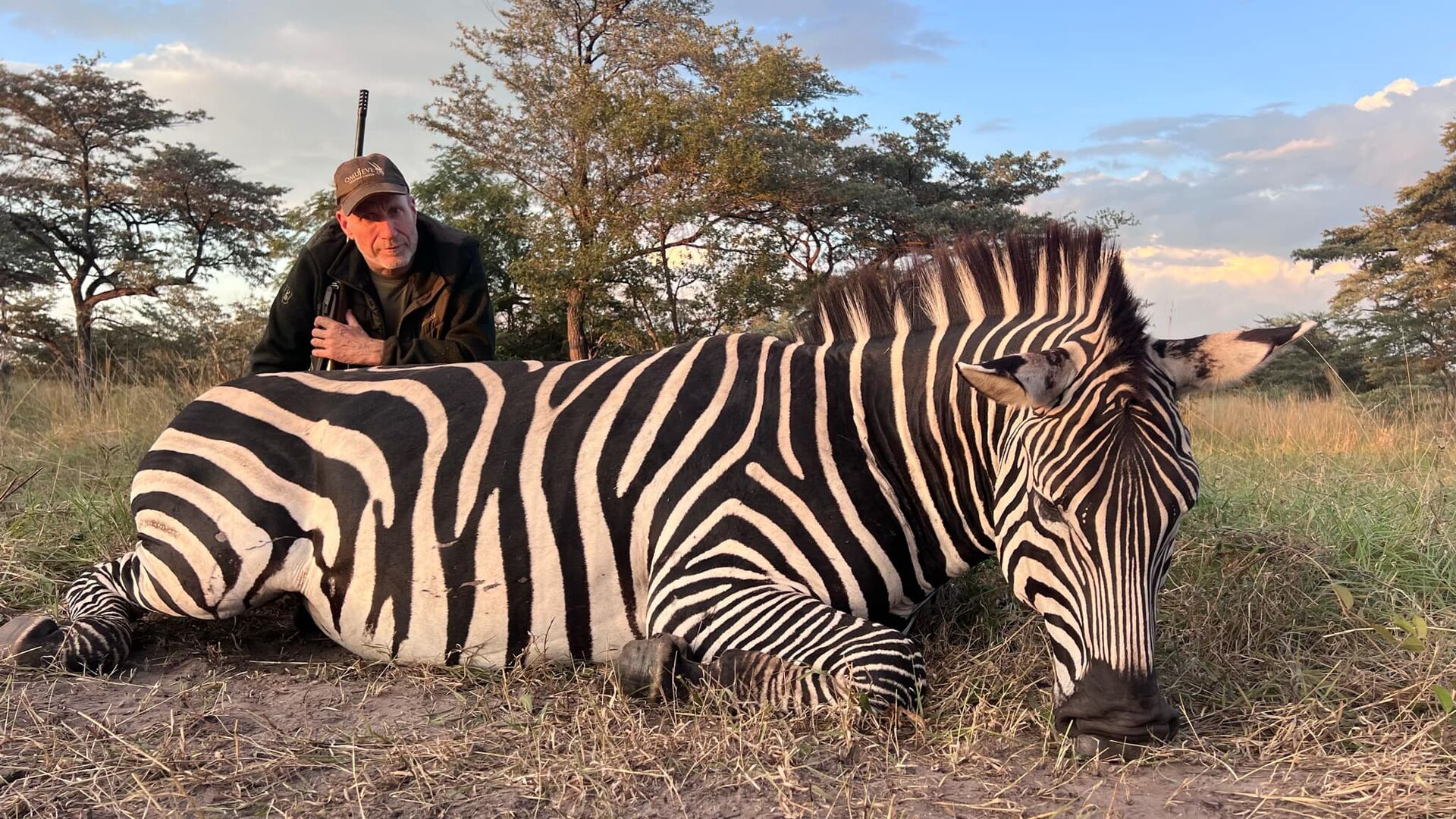
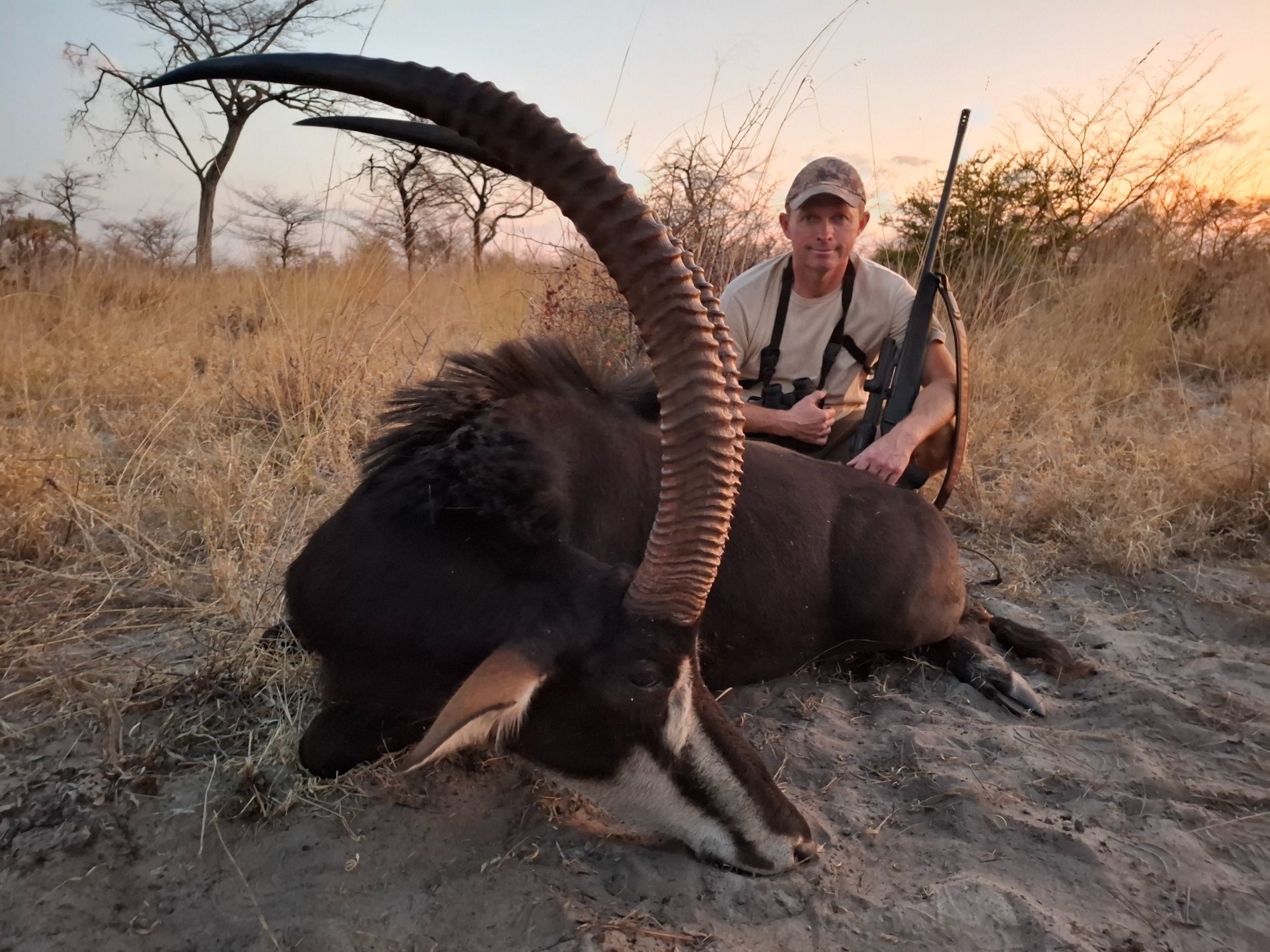
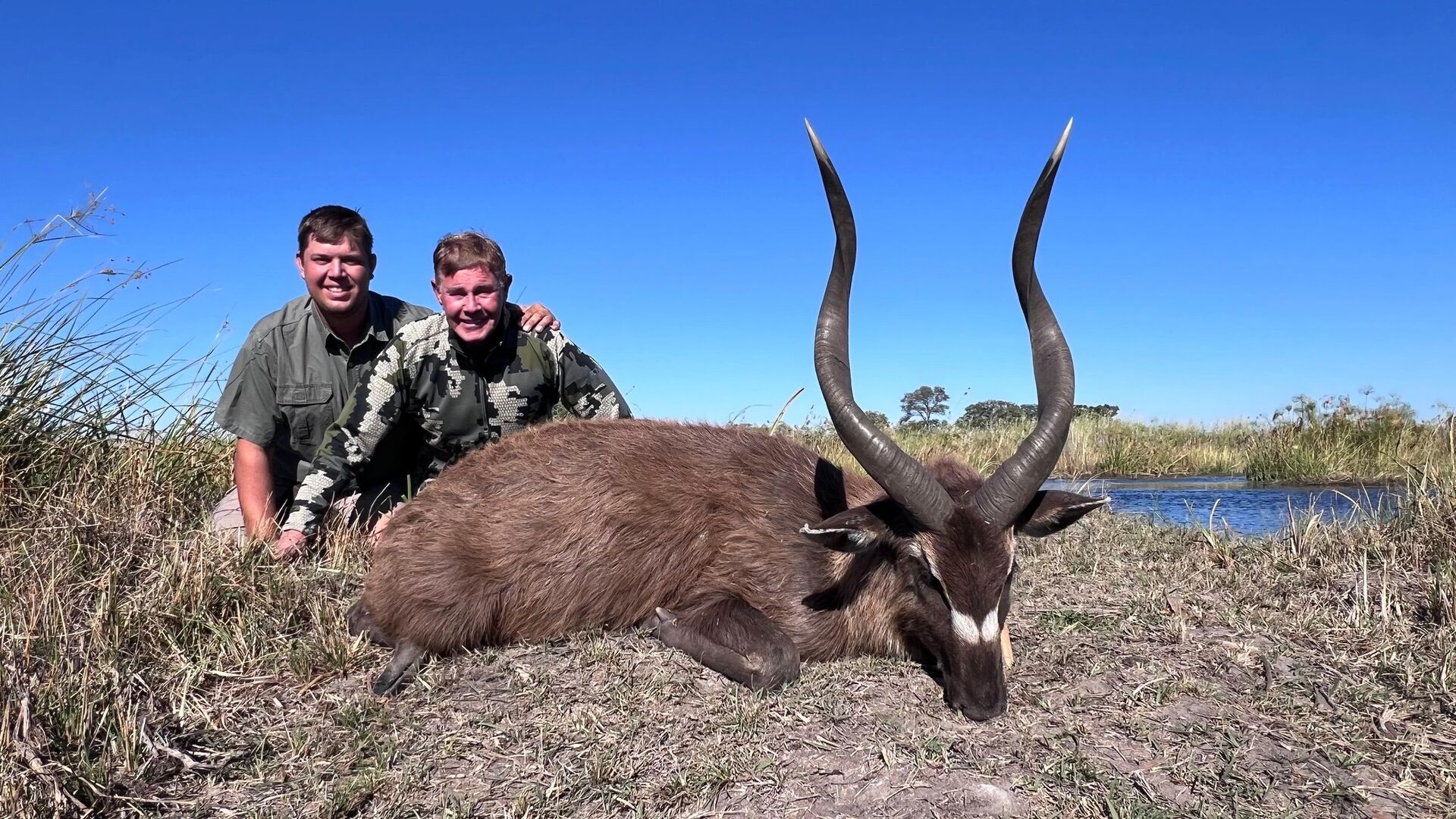
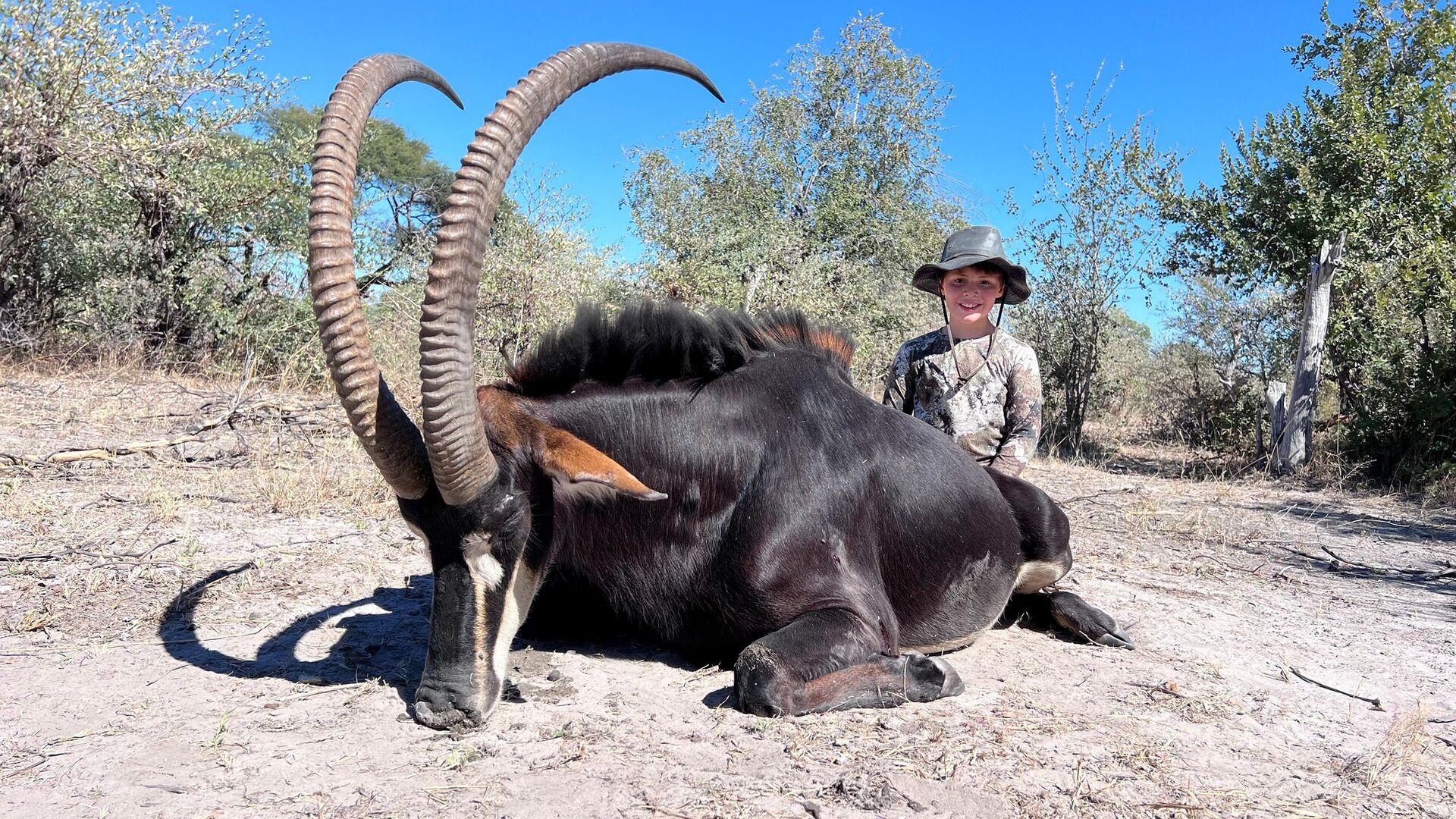
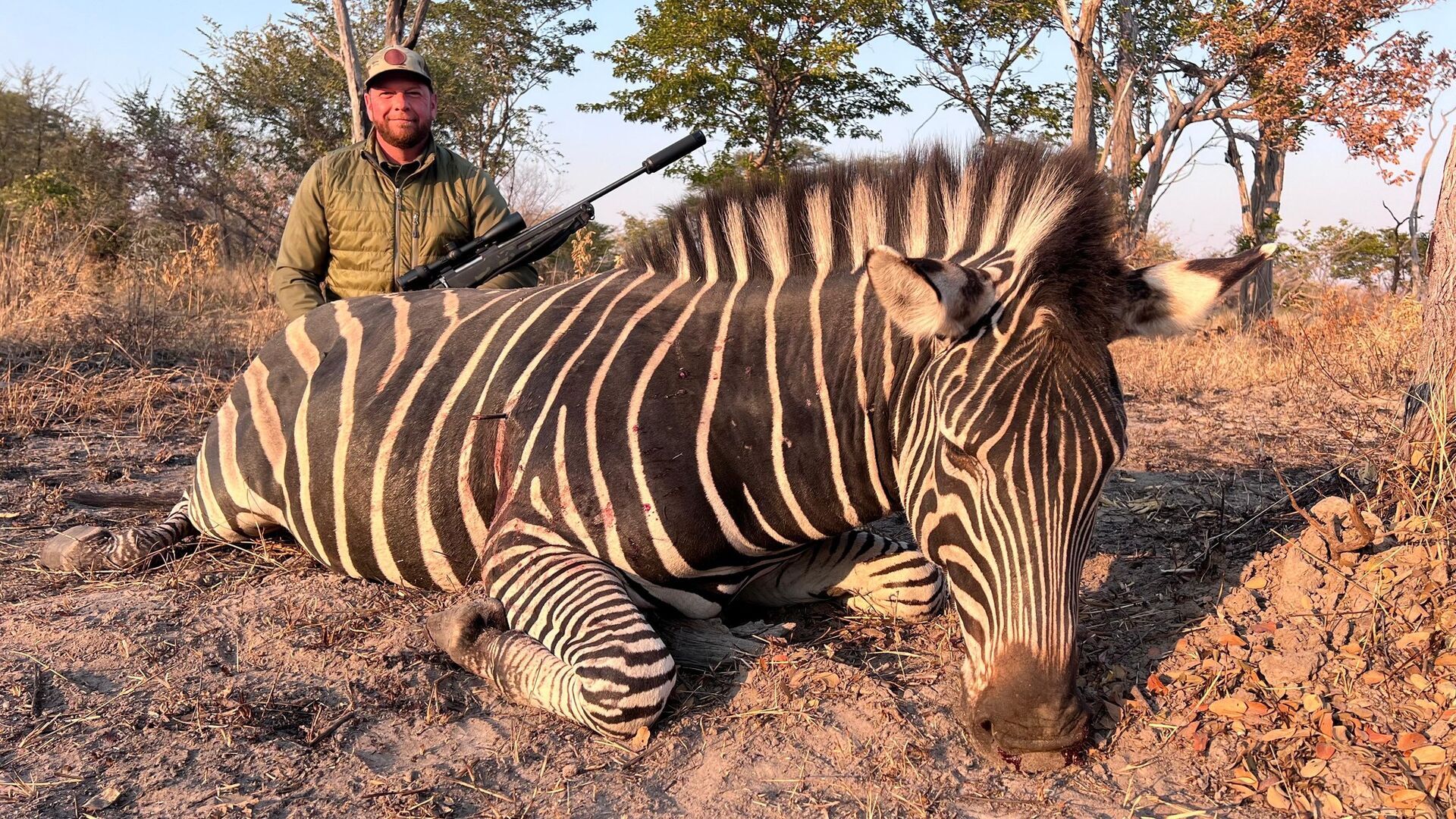
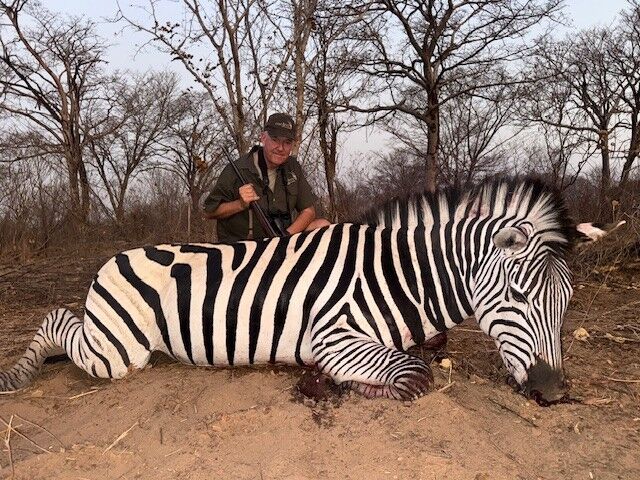
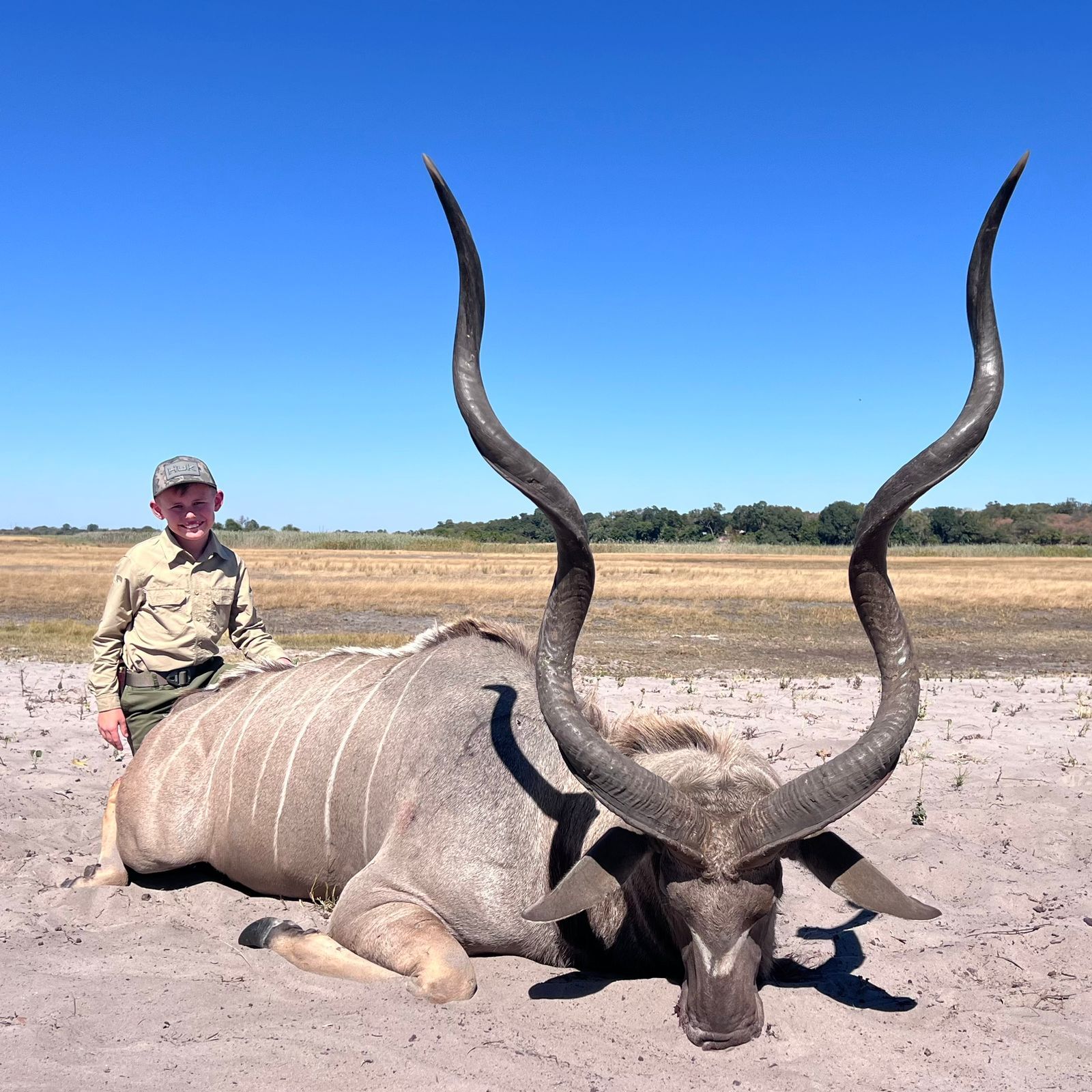
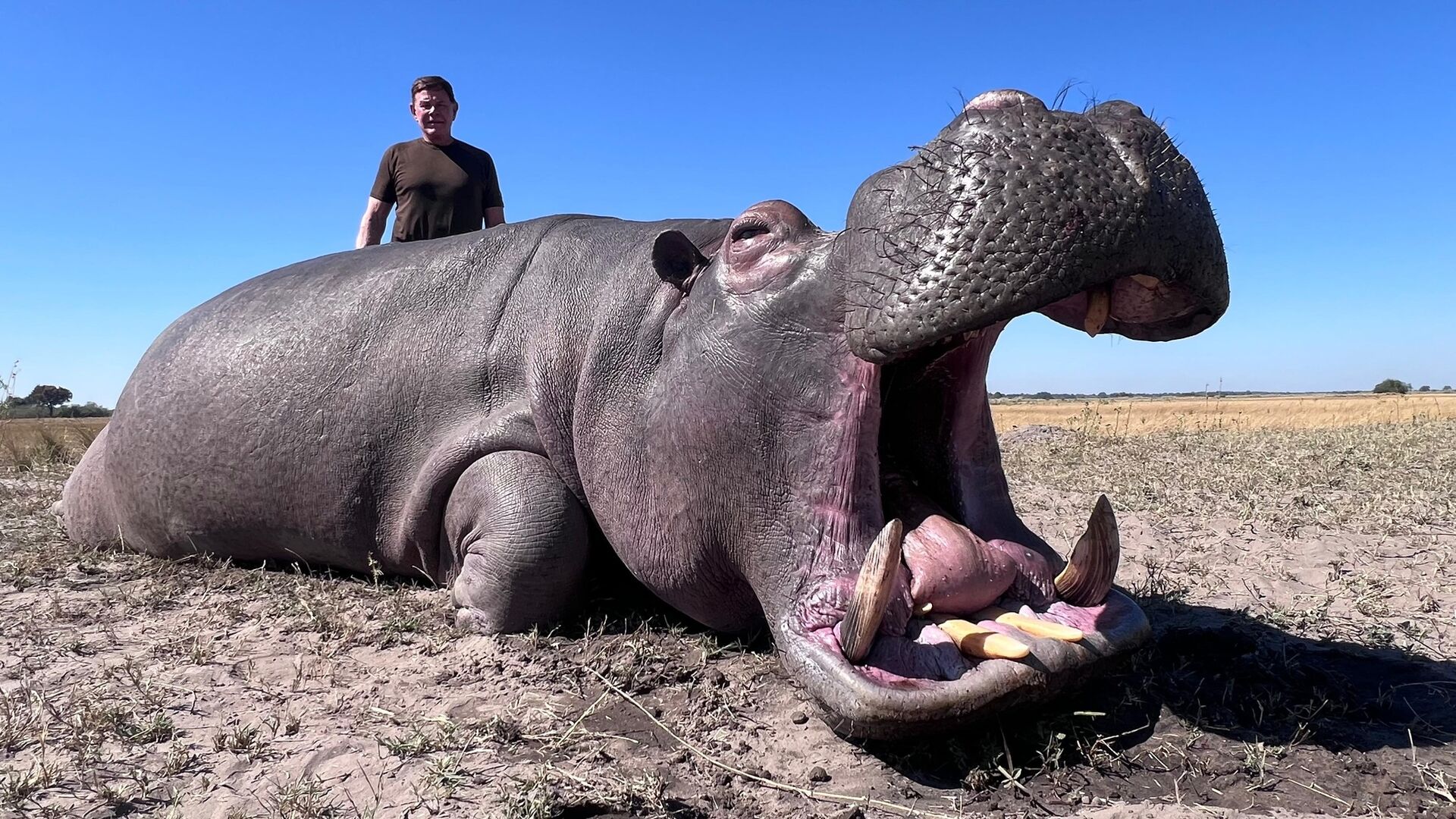
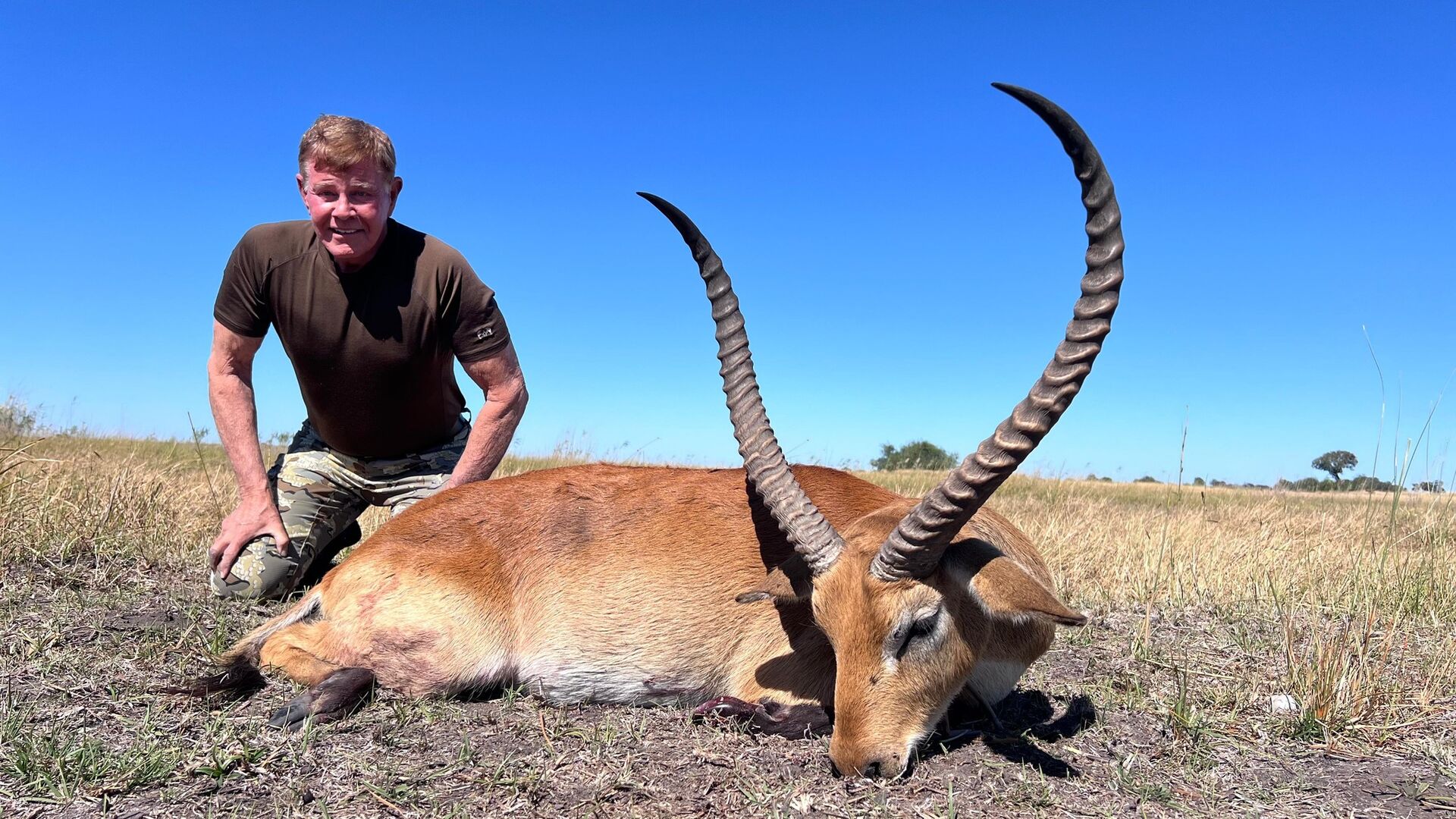
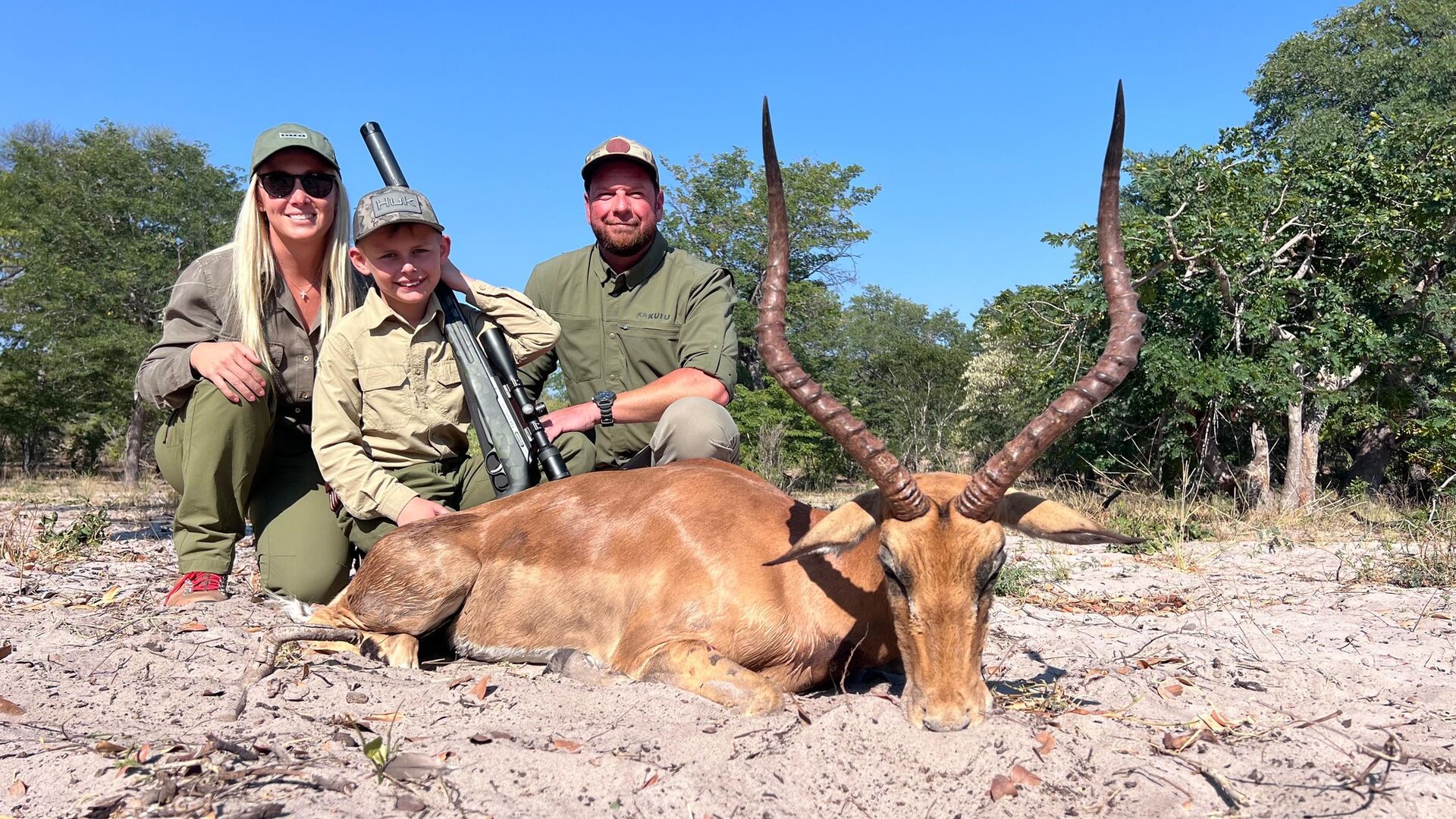
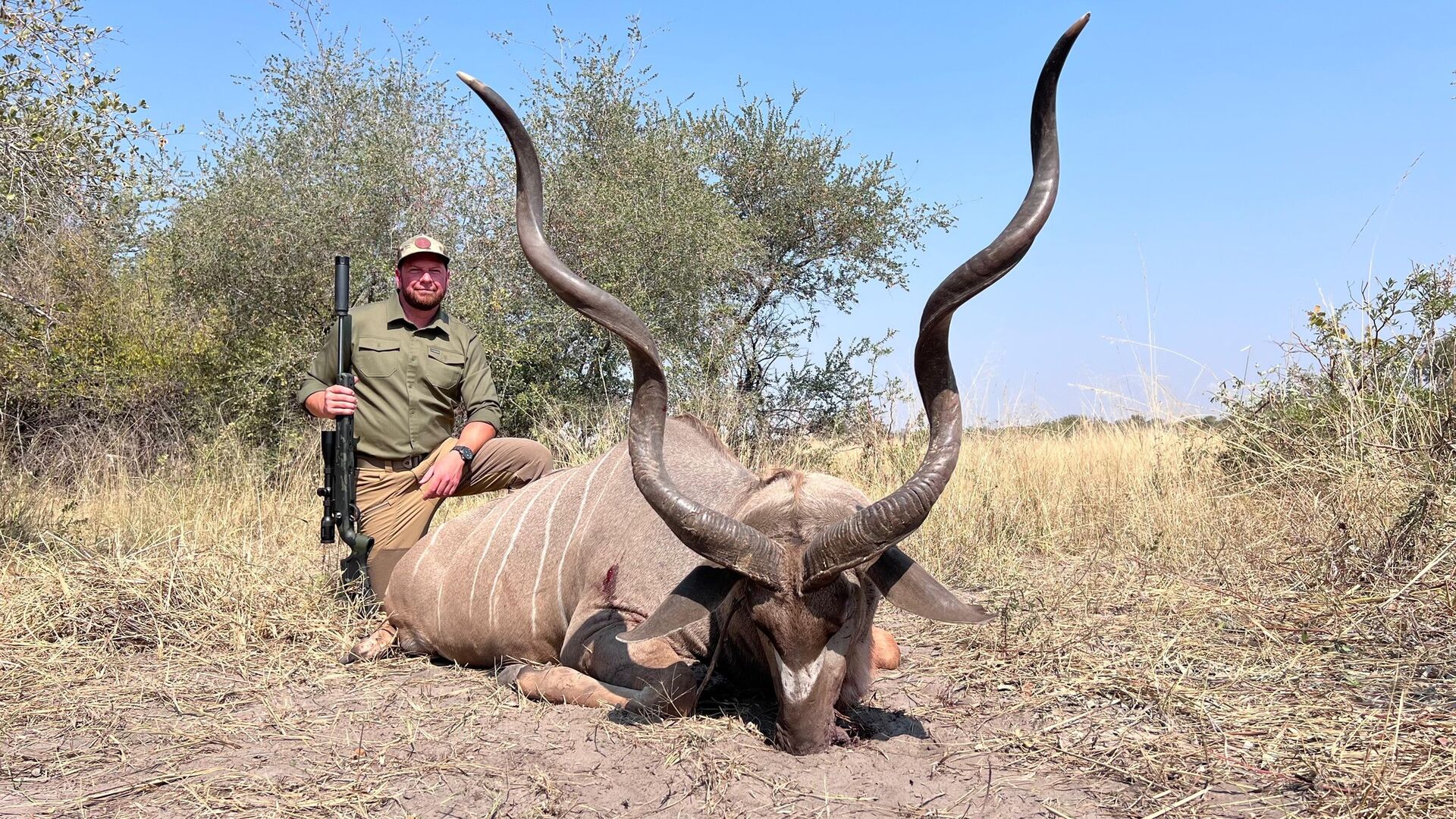
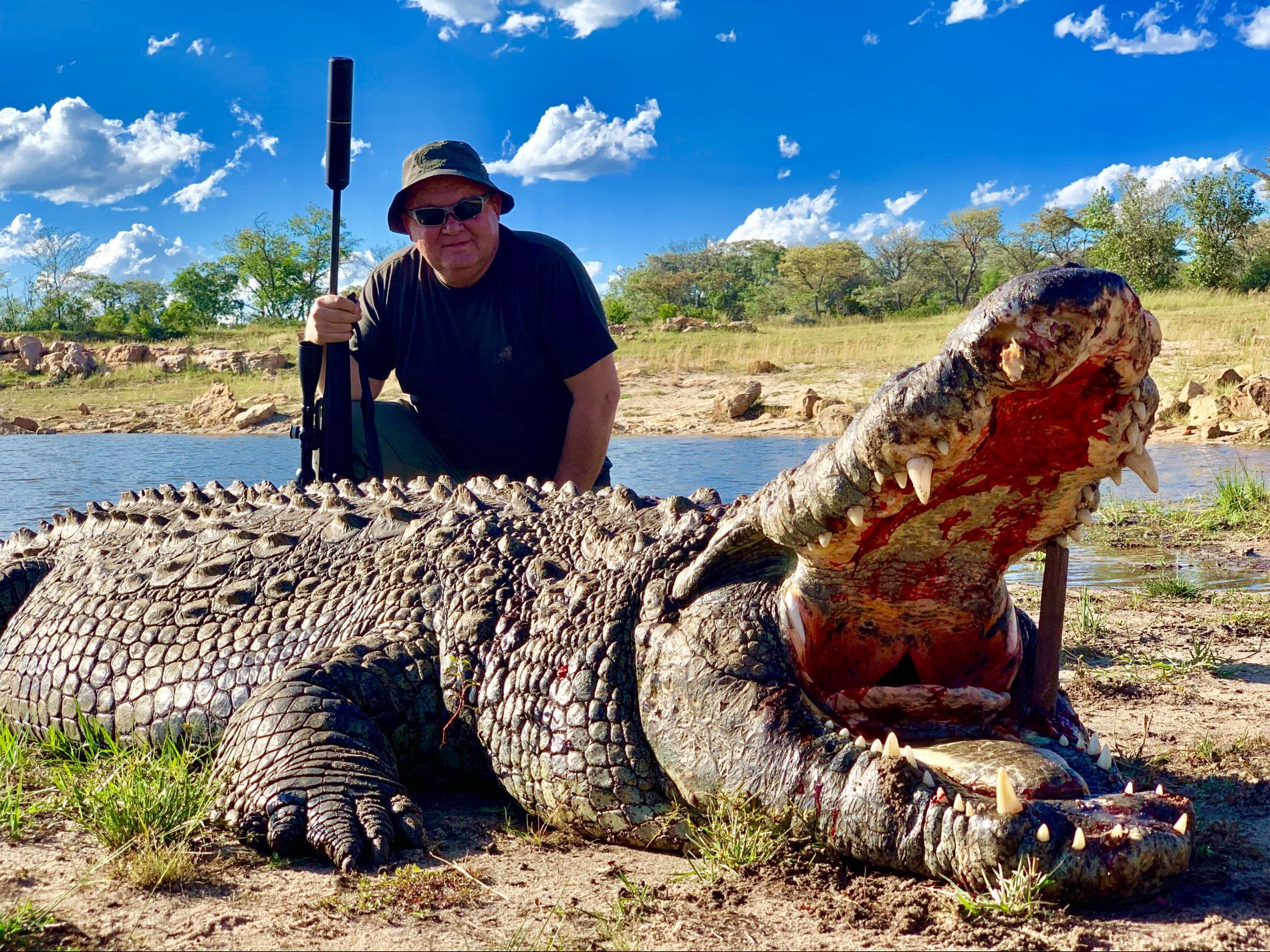
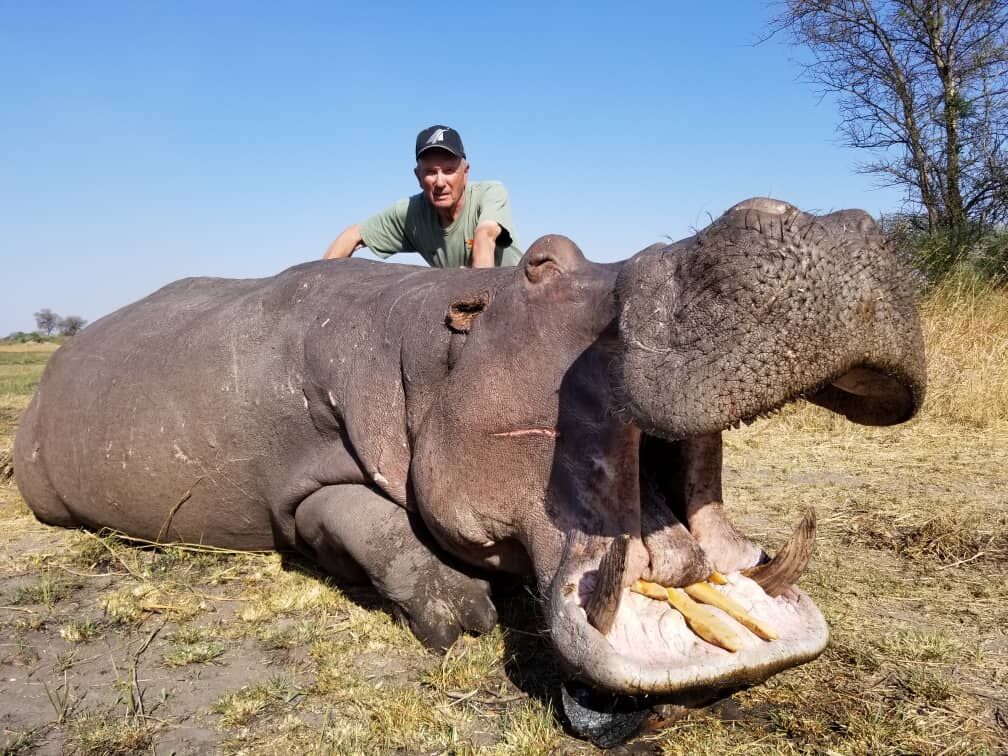
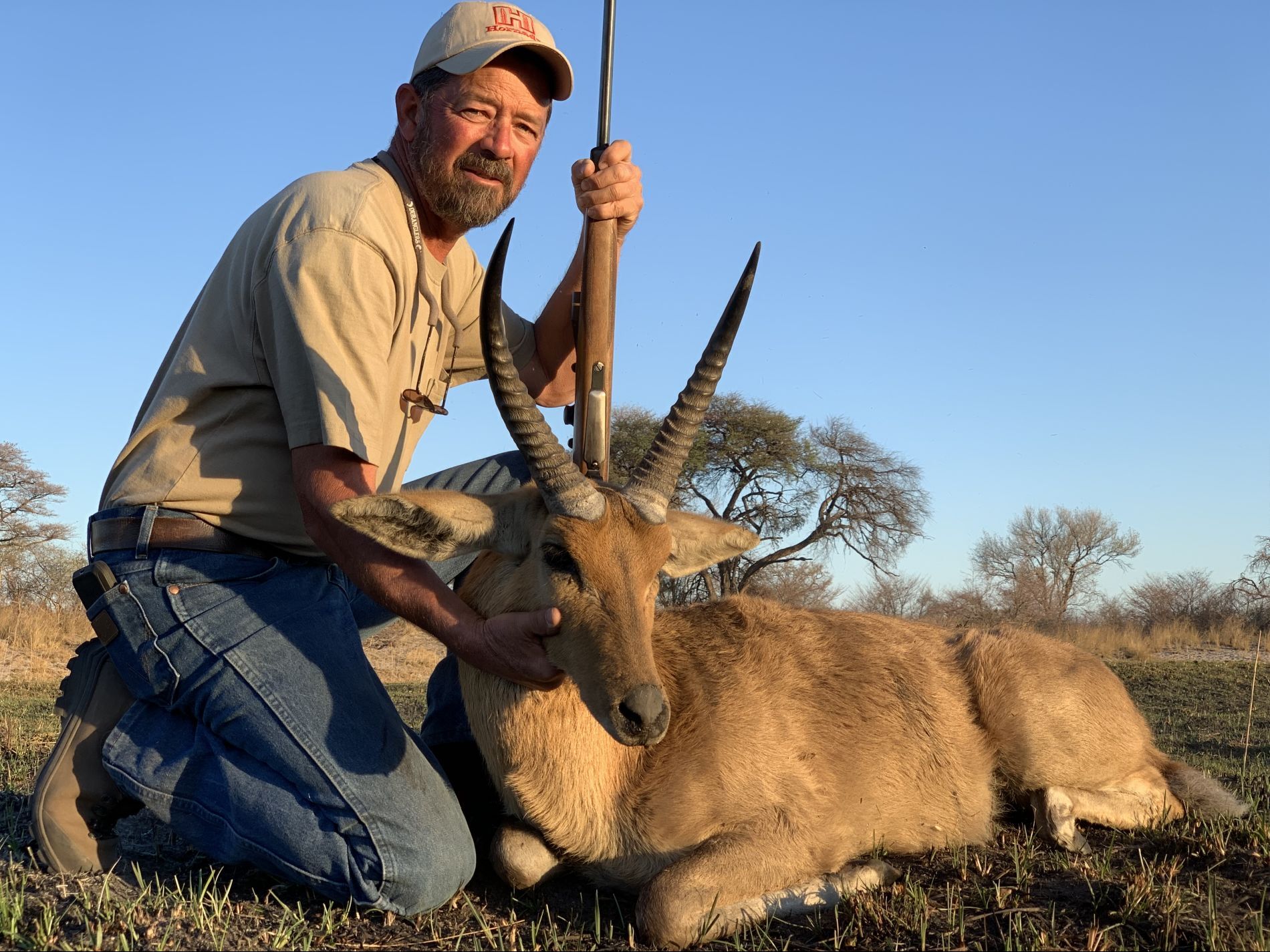
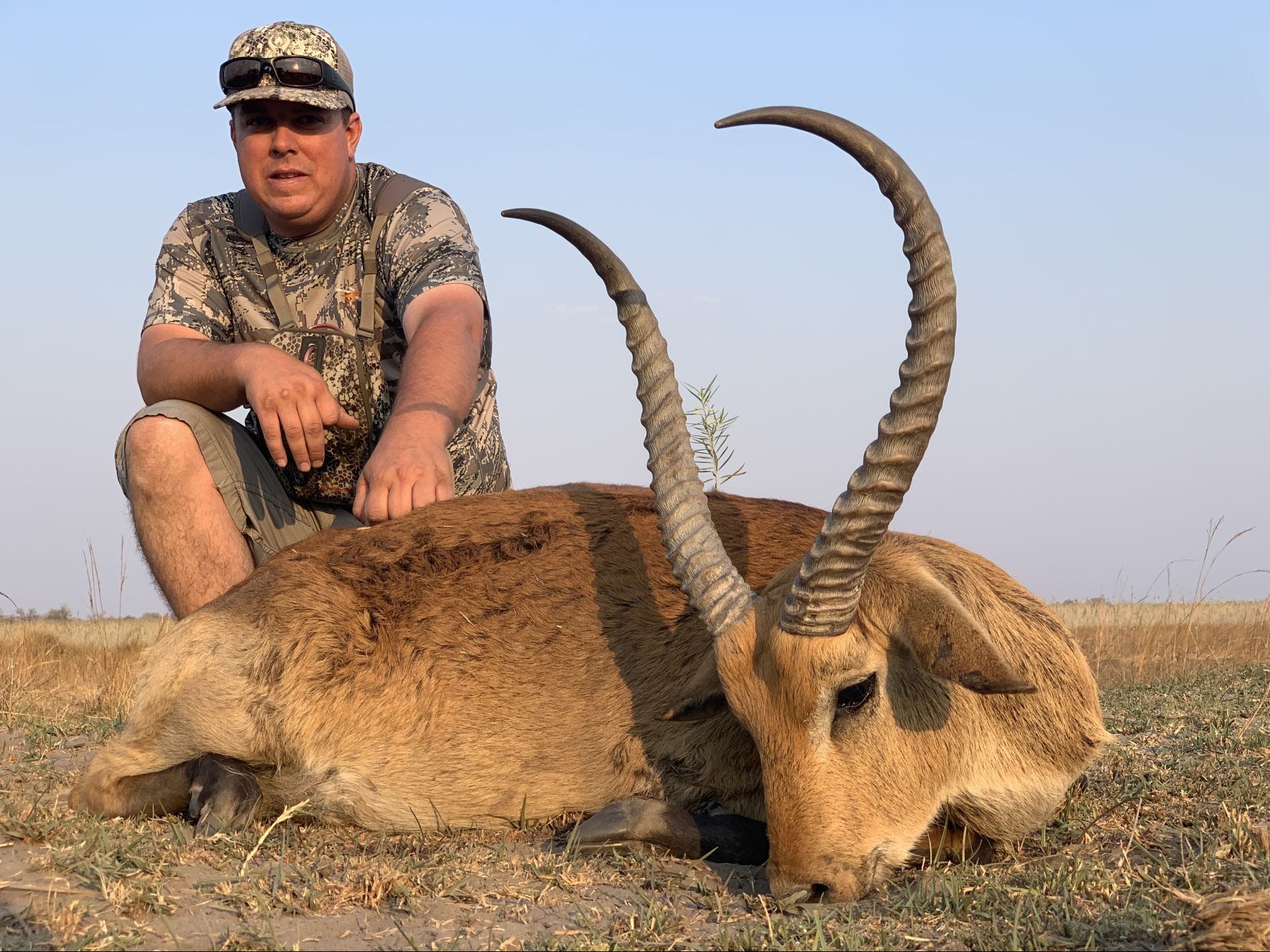
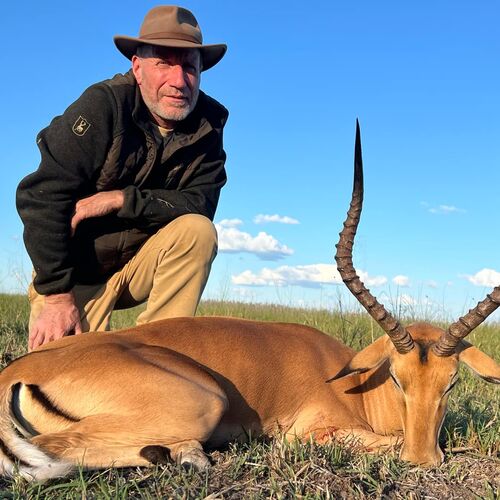
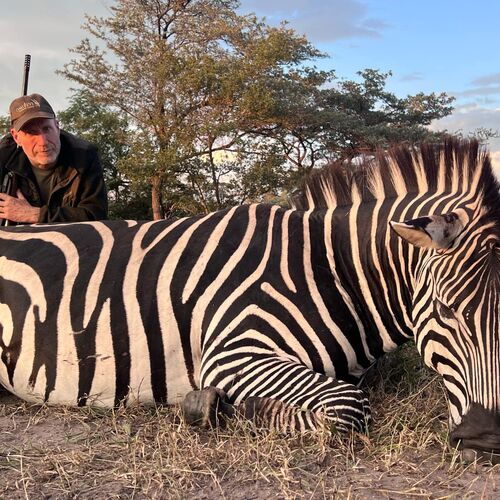
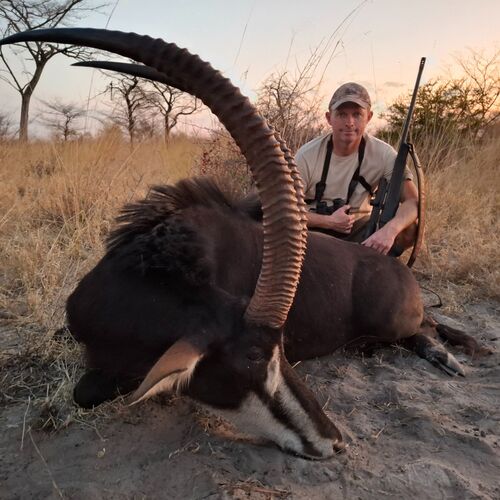
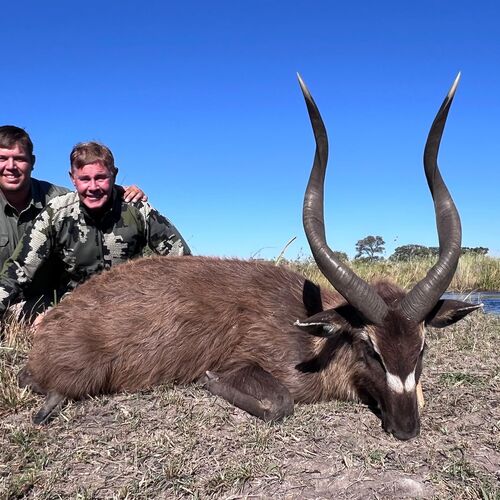
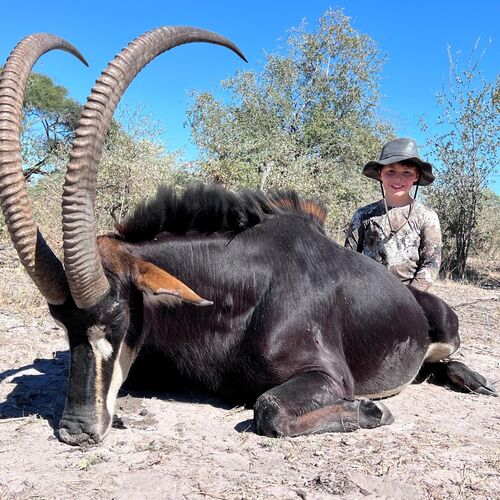
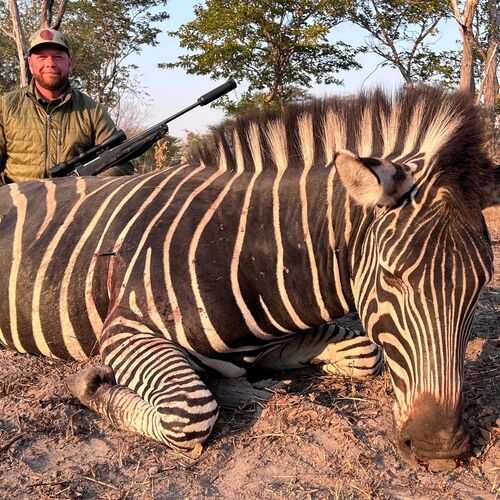
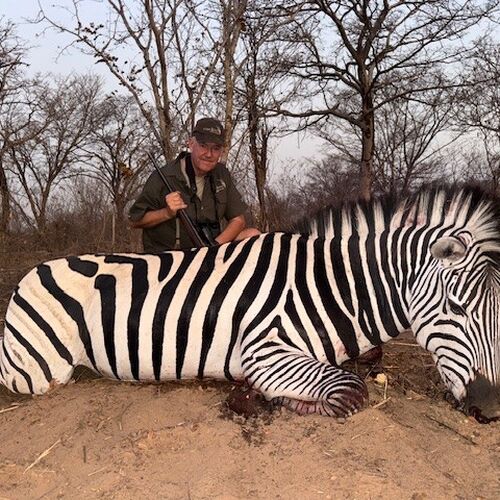
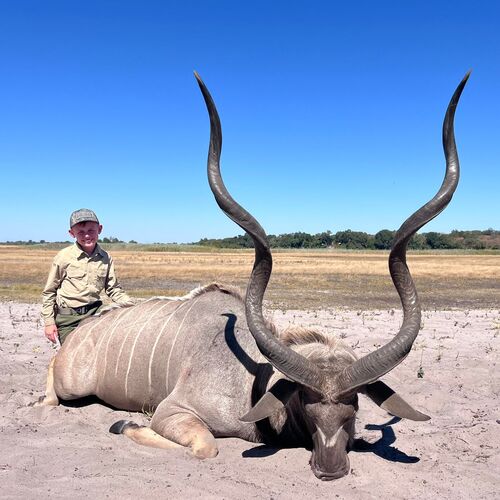
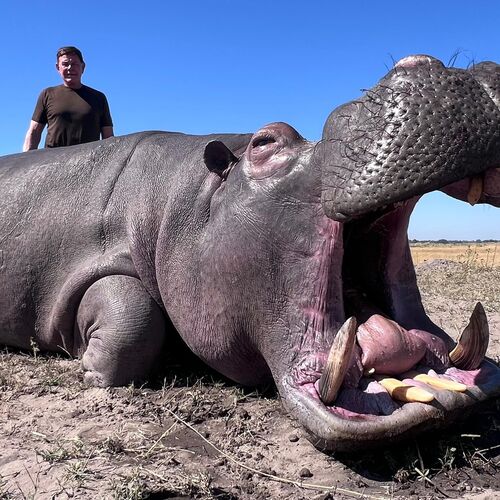
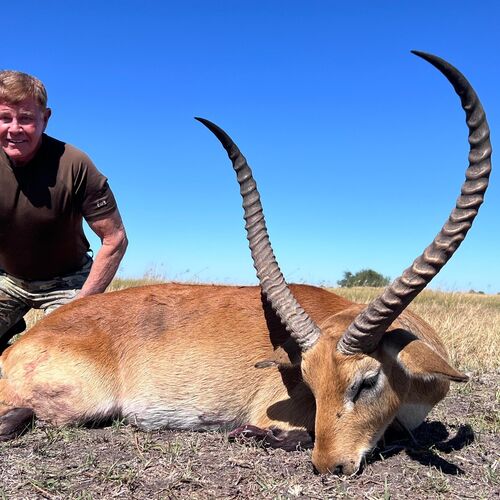
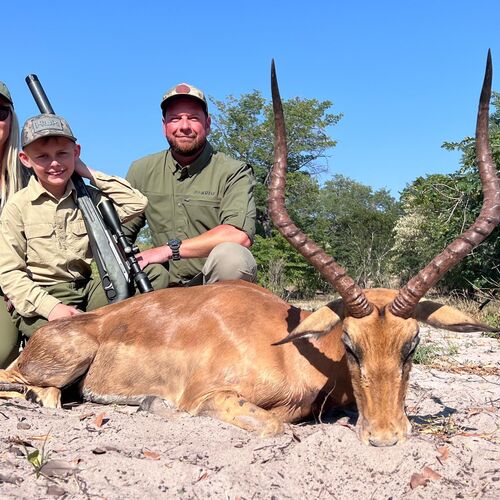
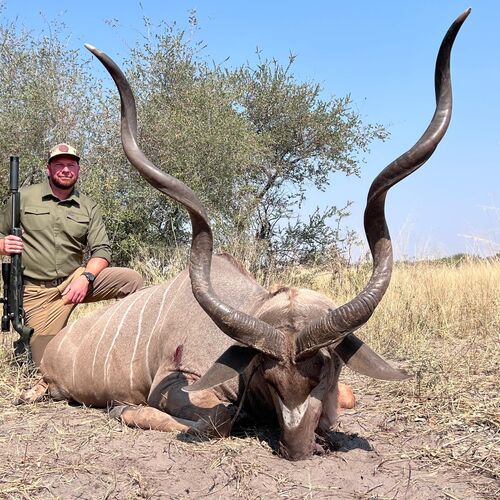
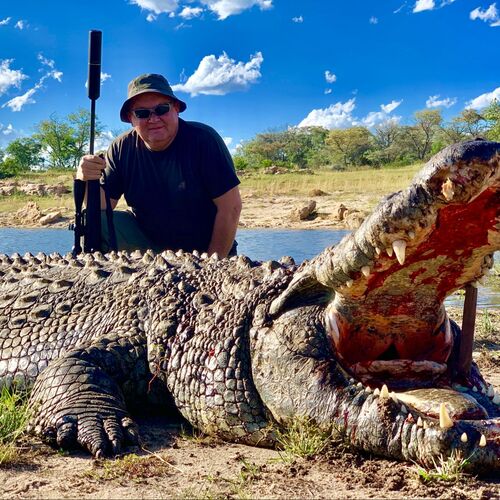
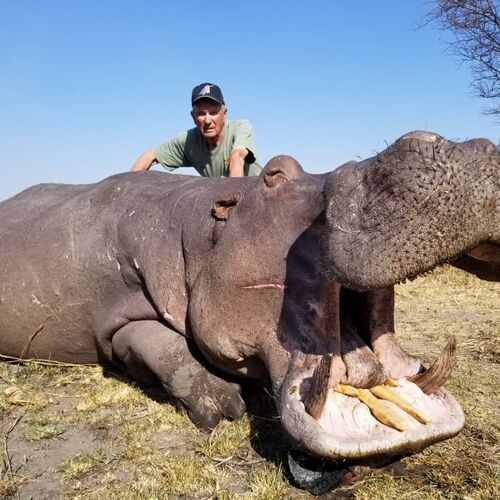
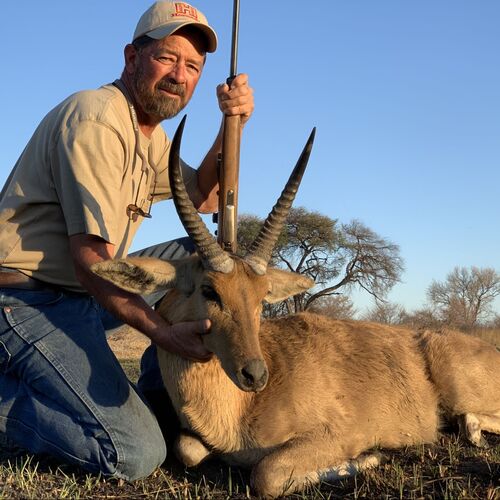
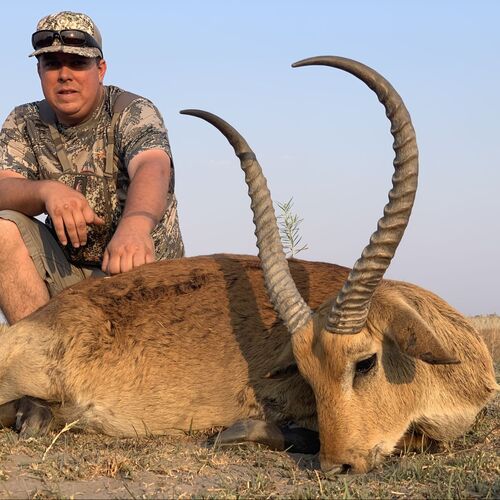
The very limited number of hunting licenses ensures responsible and sustainable wildlife management, while maintaining a high-quality hunting experience. In addition to buffalo and elephant, the area offers one of Africa’s most authentic wilderness experiences, with strong populations of species such as hippo, crocodile, and a select but exclusive range of plains game, including sitatunga, lechwe, eland, impala, kudu, reedbuck, roan, sable, duiker, warthog, Chapman’s zebra, and Burchell’s zebra.
Hunting Season
The hunting season runs during the dry winter months from May to November, when buffalo concentrate around rivers and waterholes. This provides optimal tracking conditions and increases the chances of encountering large, mature bulls.
The Hunting Method
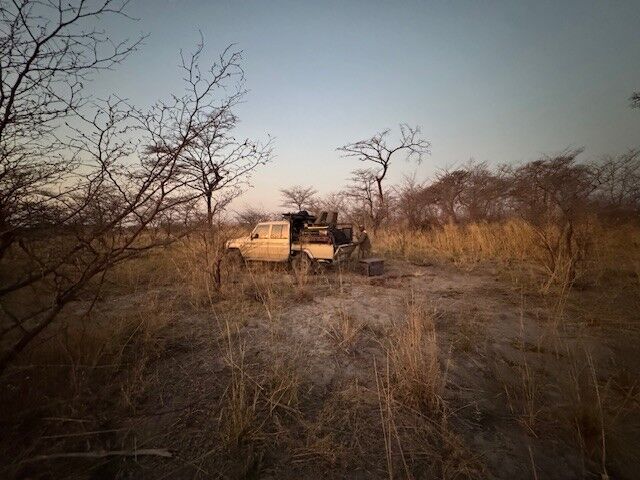
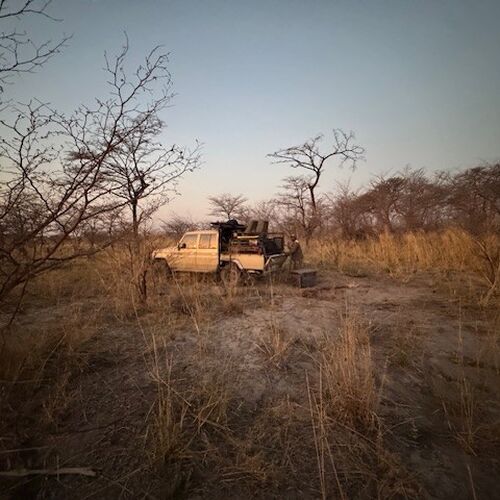
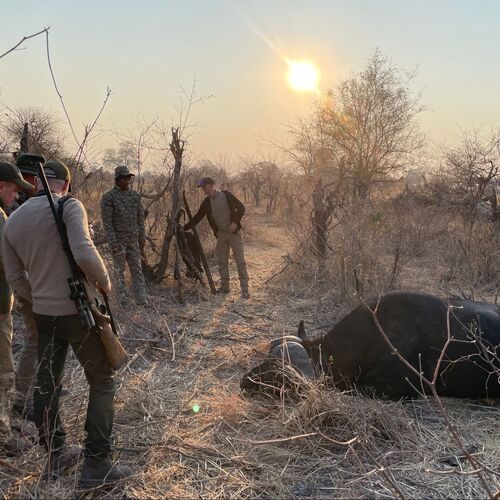
Buffalo hunting in Caprivi is conducted in the most authentic and traditional way – a combination of tracking by vehicle and intense spot-and-stalk hunting on foot. The hunt typically begins with driving out from camp in 4x4 vehicles, where buffalo are often located at a distance in open terrain or along floodplains.
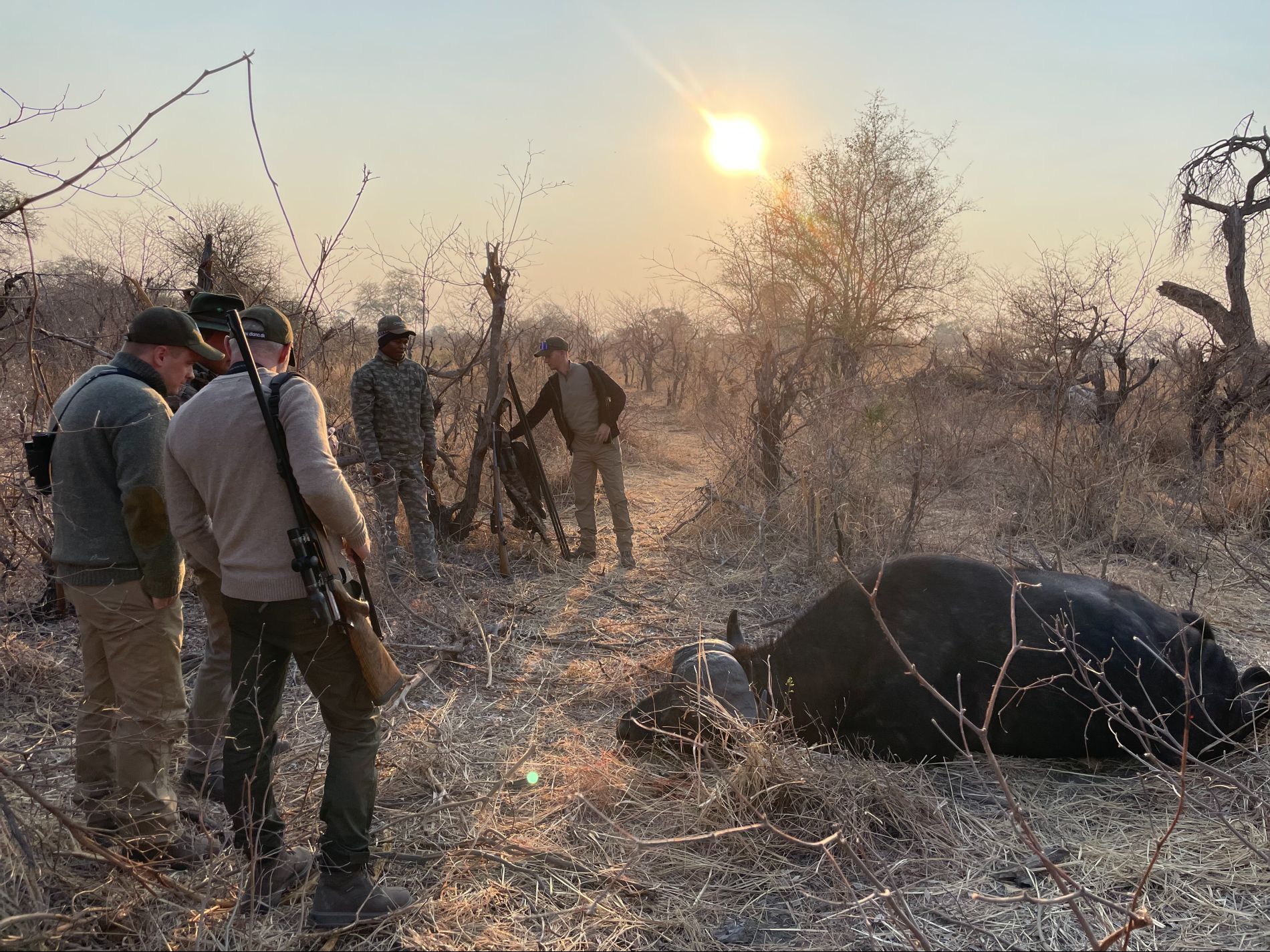
Once the animals are found, the hunt continues on foot. With the wind in your face and in close cooperation with the professional hunter and experienced trackers, you carefully close the distance.
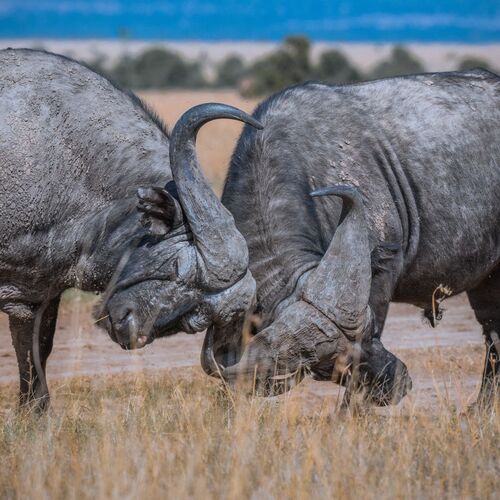
What follows is an exciting and often demanding stalk through dense bush, mopane woodland, and varied terrain, where tracks, freshness, and buffalo behavior are constantly assessed. The focus is typically on old, solitary bulls – the so-called “dagga boys” – which often stay in thick cover and can be both wary and unpredictable.
When the right bull has been selected, the final stalk is carefully planned, taking into account wind direction, terrain, and animal movement. Hunting buffalo on foot requires patience, focus, and deep respect for one of Africa’s most dangerous game species – which is precisely why it is considered one of the most intense and thrilling experiences in African big game hunting.
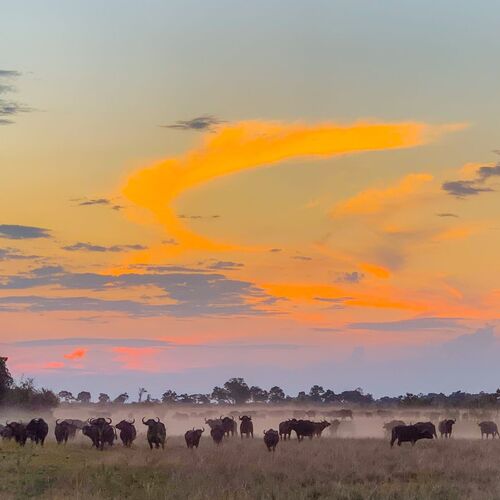
Accommodation
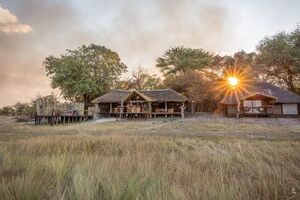
Sitatunga Camp & Ivory Luxury Camp
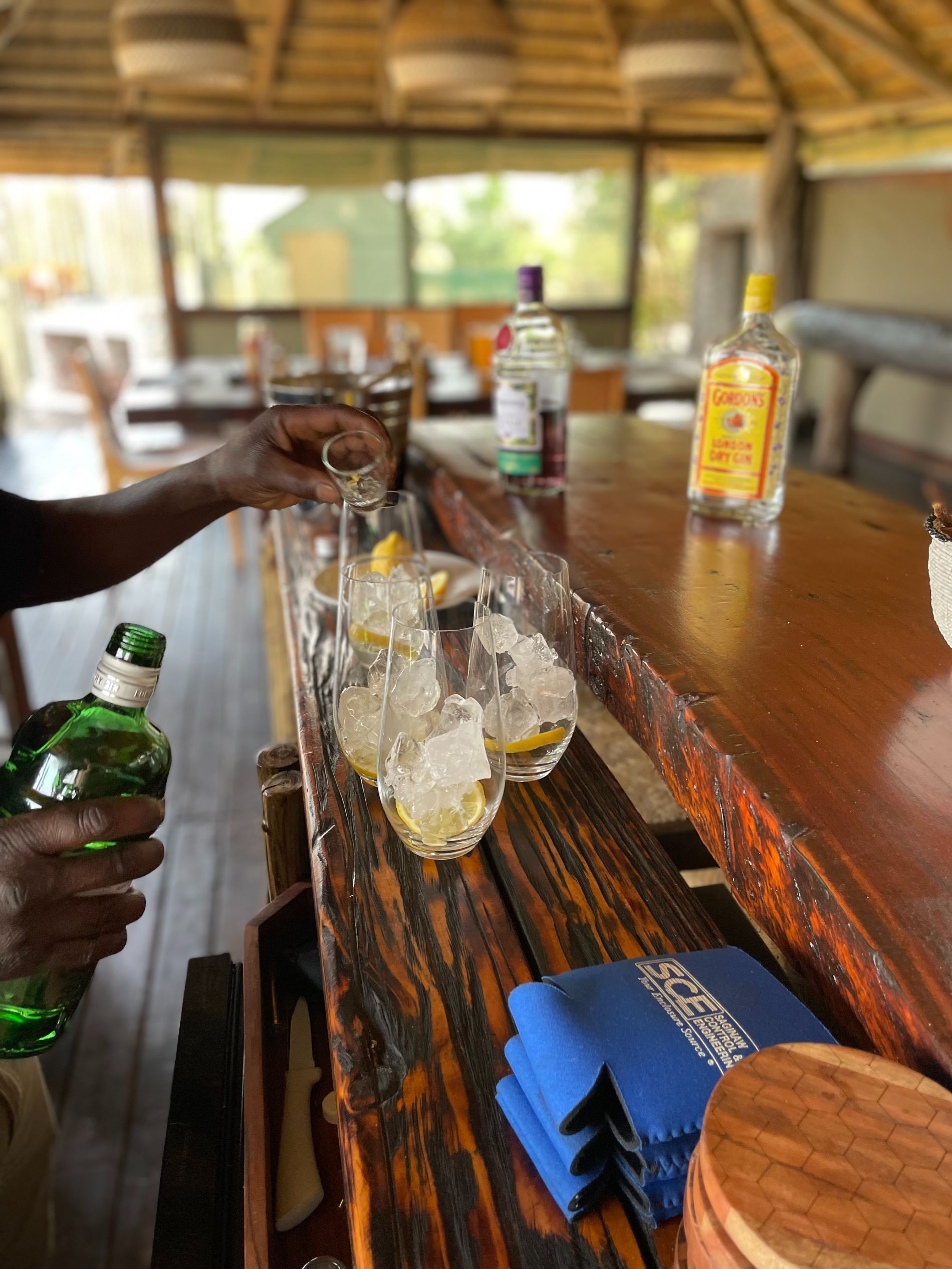
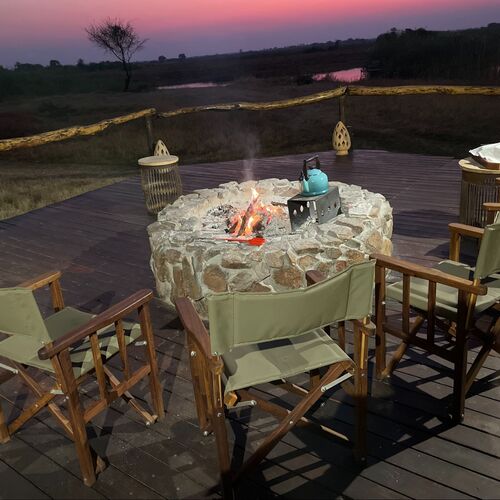
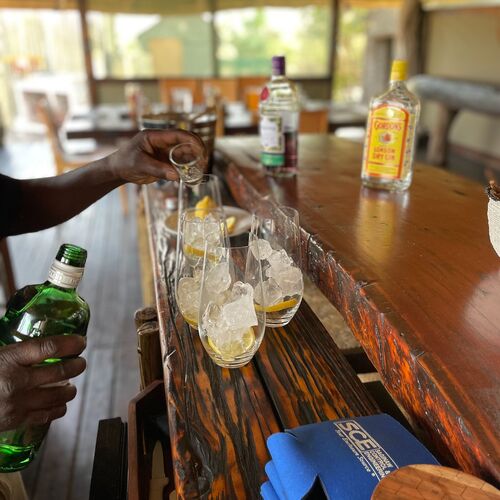
During your stay, you will be accommodated in comfortable and atmospheric camps located along the scenic Kwando River in the heart of Bwabwata National Park in Caprivi. You will stay either at the exclusive Sitatunga Camp or Ivory Luxury Camp – both beautifully situated in one of Africa’s most game-rich areas, where nature remains untouched and hunting is conducted in the classic...
Read moreHunting Area
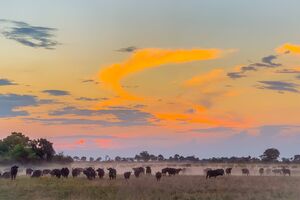
Caprivi
Jagten foregår i nogle af regionens mest kendte og vildtrige områder, herunder Bwabwata National Park, samt de omkringliggende nationalparker Mudumo og Nkasa Rupara. Bwabwata National Park alene dækker omkring 275.000 hektar vild og stort set uberørt bush, og området er en del af det enorme Kavango–Zambezi Transfrontier Conservation Area (KAZA) – et af verdens største naturbeskyttede...
Read morePartner
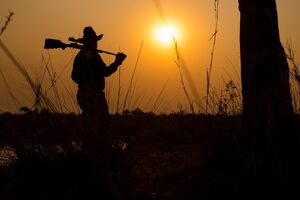
Omujeve Hunting Safaris
We have worked with Omujeve for many years now, and the co-operation runs smoothly. Omujeve always gives our clients some wonderful experiences, and they provide top trophies time after time. We therefore have a lot of clients who have visisted Omujeve more than once - and we cannot give this destination a better recommendation than that !
Read moreGame
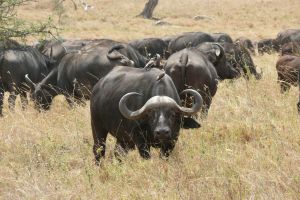
Buffalo, Cape
Videnskabeligt navn: Syncerus caffer Underarter: Dværgbøffel (Cyncerus c. nanus), Savannebøffel (Cyncerus c. S. c. brachyceros ), Nilbøffel (Syncerus caffer aequinoctialis). Cafferbøffel (Cyncerus caffer caffer Udbredelse: Nilbøflen er den af de fire arter der har det nordligste udbredelsesområde: Fra Senegal i vest i et bredt...
Read moreGame that may be purchased additionally
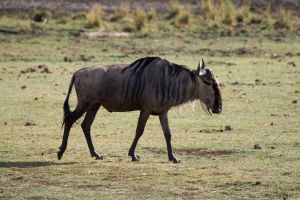
Blue Wildebeest
Videnskabeligt navn: Connochaetes Taurinus Underarter: White-bearded Wildebeest (C.t.mearnsi), Cookson's Wildebeest (C.t.Cooksoni) Udbredelse: Blue Wildebeest: Zimbabwe, Zambia, Mozambique, Sydafrika, Namibia. White-bearded Wildebeest: Tanzania, Kenya. Cookson's Wildebeest: Luangwa Valley i Zambia Levested: Findes i alle former for bushlandskab, men foretrækker åben bush og...
Read more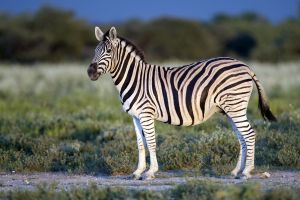
Burchell's Zebra
Videnskabeligt navn: Equus burchelli Underarter: Grant's Zebra (E.b. böhmi) Chapman's Zebra (E.b.antiquorum) Udbredelse: Burchell's Zebra: Botswana og Sydafrika. (den ægte burchell's zebra er uddød). Grant's Zebra: Mozambique, Tanzania, Kenya, Uganda og Ethiopien. Chapman's Zebra: Sydafrika, Mozambique, Zimbabwe, Botswana, Namibia, Angola, Zambia. Levested: Åben bush og...
Read more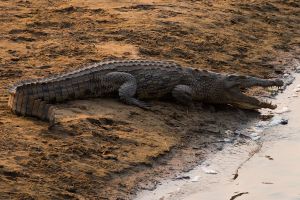
Crocodile, Nile
Scientific Name: Crocodylus niloticus Subspecies: No subspecies are currently formally recognised, however up to seven have been proposed. Distribution: The most common African crocodile, present over much of the sub-Saharan Africa from Lake Nasser in Egypt and the River Nile Sudan to the north to the Okavango Delta of Botswana and the Olifants River of South Africa in the...
Read more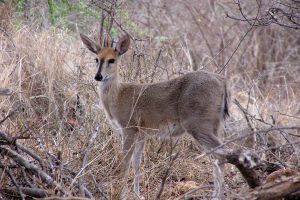
Duiker, Grey/Duiker, Grimm's (Common)
Scientific Name: Sylvicapra Grimmia Subspecies: Classification of subspecies is very variable, we have chosen only to count two: Western Bush Duiker and East African Bush Duiker. Distribution: From the desert rim in Northern Africa to the Southern tip of the Continent, the West African rainforest excepted. Habitat: As the species is a typical bush duiker it lives, as the name suggests in...
Read more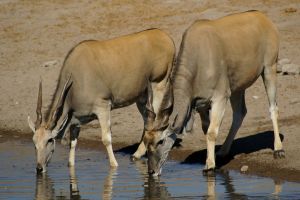
Eland, Cape/Livingstone, Patterson's
Scientific Name: Taurotragus oryx livingstoneiSubspecies: SCI lists Cape Eland as Tragelaphus oryx with three subspecies, which means that SCI counts the Cape Eland with the spiral horned antelopes. We have chosen to list Cape Eland under it's scientific name Taurotragus with two subspecies: Livingstone's Eland (Taurotragus oryz livingstonei) East African Eland (Taurotragus o....
Read more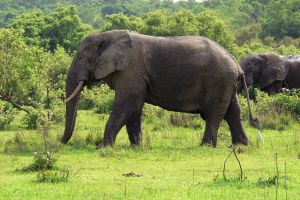
Elephant (Africa)
Videnskabeligt navn: Loxodonta afrikana Underarter: Forest Elephant (Loxodonta a. cyklotis) Pygmy Elephant (Loxodonta a. pumilio) Udbredelse: De tre arters samlede udbredelsesområde: Hele Afrika syd for Sahara. Dog bør det nævnes at i Vestafrika lever elefanterne i dag i små isolerede bestande, og først fra Cameroun og østover kan man tale om...
Read more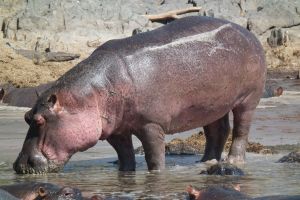
Hippopotamus
Videnskabeligt navn: Hippopotamus amphibius Underarter: Ingen. Udbredelse: I stort set samtlige lande syd for Sahara. Levested: Langs floder og i søer. Beskrivelse: Flodhesten er næst efter elefanten det største landlevende pattedyr. Flodhesten har en kompakt krop og korte kraftige ben. Den opnår en vægt på op til 3,5 tons og en højde på 1,5...
Read more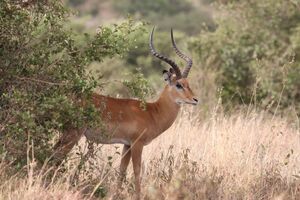
Impala
Scientific Name: Aepyceros melampus Subspecies: East African Impala (Aepyceros m. rendillis) Angola Impala (Aepyceros m. petersi) Distribution: South Africa, Mozambique, Zimbabwe, Botswana, Namibia, Angola, Zambia, Tanzania, Kenya, Uganda and Congo (Zaire) Habitat: Open bush and Acacia savanna Description: The three species are here descriped as on as the difference in appearance is negligent...
Read more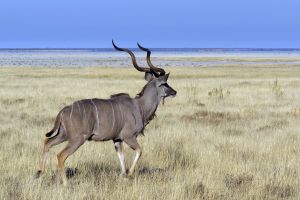
Kudu, Greater
Scientific Name: Tragelaphus strepsiceros Subspecies: Southern Greater Kudu (Tragelaphus strepsiceros strepsiceros) East African Greater Kudu (Tragelaphus str. bea). Western Greater Kudu (Tragelaphus str. cottoni) Distribution: From Chad, Sudan and Ethiopia in the North through all countries along the East coast as well as Zimbabwe, Zambia, Namibia, Botswana, Angola and South Africa. Habitat:...
Read more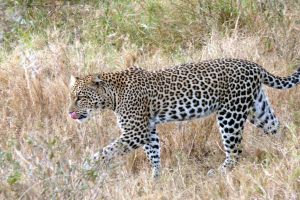
Leopard (Africa)
Videnskabeligt navn: Panthera pardus Underarter: Ingen Udbredelse: Hele Afrika syd for Sahara. Levested: Alle typer af terræn (selv udkanten af boligområder). Beskrivelse: Mellemstort dyr af kattefamilien med kompakt krop og kraftige ben. Leoparden kan opnå en vægt på 60 - 90 kg og en højde på ca. 70 cm. Skindet er gyldent med sorte ringe. Leoparden...
Read more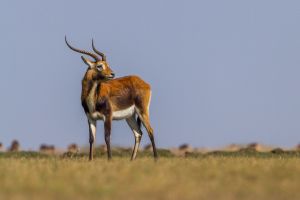
Red Lechwe/Black Lechwe/Kafue Lechwe/Moor Antilope
Scientific Name: Kobus leche Subspecies: Kafue Lechwe (Kobus l. kafuensis) Black Leckwe (Kobus l. Smithemani) Distribution: Lechwe: Botswana, Namibia, Zambia and Angola Kafue Leckwe: Zambia and Congo (Zaire) Black Lechwe: Zambia (Bangweolo swamps) Habitat: Swamps and wetlands (see Sitatunga) Description: The tree species will be described as one as the difference between them is negligent:...
Read more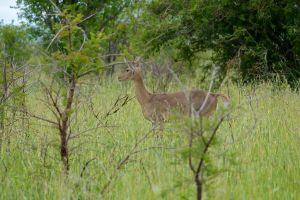
Reedbuck (Common)
Scientific Name: Redunca arundinum Subspecies: None Distribution: Angola, Southern part of Congo, Southern Tanzania, Zambia, Mozambique, Zimbabwe, Botswana, Namibia (Caprivi) and South Africa. Habitat: Open bush and savanna Description: Middlesized antelope with a shoulderheight of up to 100 cm and a weight of 70 - 80 kg. General colour uniform greyish fawn, tinged with brown, with a white...
Read more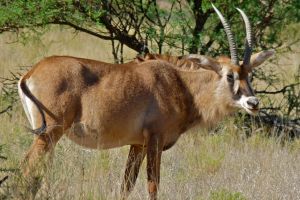
Roan
Videnskabeligt navn: Hippotragus equinus Underarter: Der anerkendes 6 underarter men vi har valgt kun at medtage de arter der er tilgænglige for trofæjægere idag. East African Roan (Hippotragus e. langheldi) Western Roan (Hippotragus e. koba) Udbredelse: Southern Roan: Sydafrika, Mozambique, Zimbabwe, Zambia og Botswana. East African Roan: Tanzania, Kenya. Western Roan: Fra de...
Read more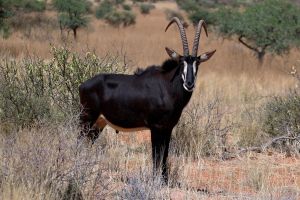
Sable Antelope (Africa)
Videnskabeligt navn: Hippotragus niger Underarter: Hippotragus n. kirkii, Hippotragus n. roosevelti. Giant Sable (Hippotragus n. Variani) beskrives ikke da den på nuværende tidspunkt er truet af udryddelse. Udbredelse: Sydafrika, Mozambique, Zimbabwe, Zambia Botswana, Namibia, Tanzania og Kenya. Levested: Åben bush og græssletter men findes også ofte i miombo- og...
Read more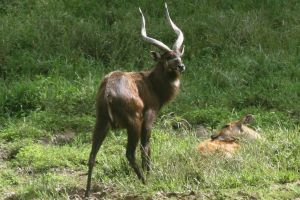
Sitatunga
Scientific Name: Tragelaphus spekei Subspecies: Tragelaphus s gratus, Tragelaphus s. selousi Distribution: Tragelaphus spekei: Kenya, Tanzania and Sudan Tragelaphus s. gratus: Central- and West African rainforests. Tragelaphus s. selousi: Zambia, Namibia, Malawi and South Western Tanzania. Habitat: Confined to swampy areas, mainly papyrus and reedswamps by larger lakes Description:...
Read more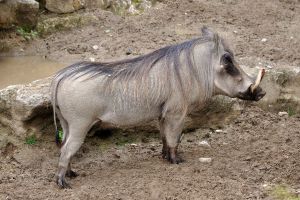
Warthog
Videnskabeligt navn: Phacochoerus aethiopicus Underarter: Der anerkendes op til 7 underarter, der her beskrives under et. Udbredelse: Hele Afrika syd for Sahara med undtagelse af den vestafrikanske regnskov samt ørken områder i Namibia. Levested: Åben bush og græssletter. Beskrivelse: Mindre griselignende dyr der opnår en vægt på 100 kg og en...
Read morePrices

The price includes
- 7 or 14 days stay including full board in a traditional safari camp
- 6 or 12 days of hunting with 1:1 guidance by a professional hunter, skinner, and tracker
- Domestic flights Windhoek – Katima Mulilo return
- All transport during the hunt
- Hunting license
- Trophy fee for 1 buffalo bull regardless of size
- Skinning and initial trophy preparation in camp
- Laundry service
- Namibian VAT of 15%
- 1% government levy on accommodation
The price does not include
- International flights Copenhagen/Billund – Windhoek return
- Hotel accommodation before and possibly after the hunt (depending on flight times)
- Trophy fees beyond those included (charged according to current price list)
- Transport and handling fee of trophies to Namibian taxidermist (approx. USD 500–1,000)
- Taxidermy work and shipment of trophies (arranged after the hunt)
- Gratuities for guides, trackers, and camp staff
- Travel and cancellation insurance (optional)
- Mandatory EU liability insurance USD 12 per person
- Anything not specifically mentioned under “The price includes”
Regarding licenses / additional game
There is a limited number of licenses available for plains game. If you have specific species in mind, these should be booked in advance, as we cannot guarantee availability of licenses during your stay.
Note regarding trophy handling in Caprivi
All trophies taken in the Caprivi Strip (Zambezi Region) must, in accordance with veterinary regulations, be kept in quarantine for approximately 2–3 months before they can be transported out of the area due to disease control restrictions (including foot-and-mouth disease).
Costs for quarantine and transport to a local Namibian taxidermist are handled by a local shipping agent – an invoice will be issued once the trophies are released from quarantine (estimated around USD 1,000, depending on the number of trophies).
Exchange Rate
The price show for this tour is for guidance only as fluctuations in the exchange rate may need to be taken into account. The actual price of the tour will be agreed later.
Trophy Fees in USD 2026
| Species | USD |
| Elephant | *POR |
| Elephant / Tuskless | *POR |
| Leopard | *POR |
| Cape Buffalo | 9.500 |
| Sitatunga | 25.000 |
| Hippo | 12.500 |
| Croc | 12.000 |
| Duiker | 450 |
| Eland | 3.500 |
| Blue Wildebeest | 900 |
| Impala | 595 |
| Kudu | 3.500 |
| Lechwe | 3.500 |
| Common Reedbuck | 2.500 |
| Roan | 12.500 |
| Sable | 9.500 |
| Warthog | 450 |
| Zebra Burchells | 950 |
| Zebra Chapmann | 2.500 |
* POR = Price on request